

Smart Transformation · Breaking the Game: How Olinmat Soft Porcelain Conquers the High-End Middle East Market with Intelligent Production Lines
The "Blue Ocean" of Soft Porcelain in the Red Sea of Building Materials
In today's era of low-carbon transformation in the global building materials industry, soft porcelain — a new type of eco-friendly material combining ceramic texture with flexible roll performance — is experiencing unprecedented market growth. According to the 2023 report by the China Building Materials Association, the soft porcelain market has been growing at an average annual rate of over 15%.
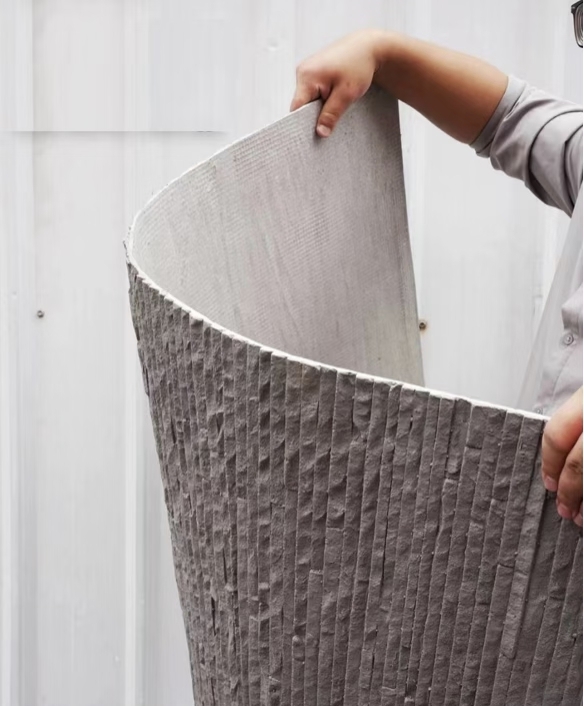
However, behind this rapid growth, the "suboptimal" state of traditional soft porcelain production lines has become the biggest obstacle preventing companies from seizing this booming opportunity.
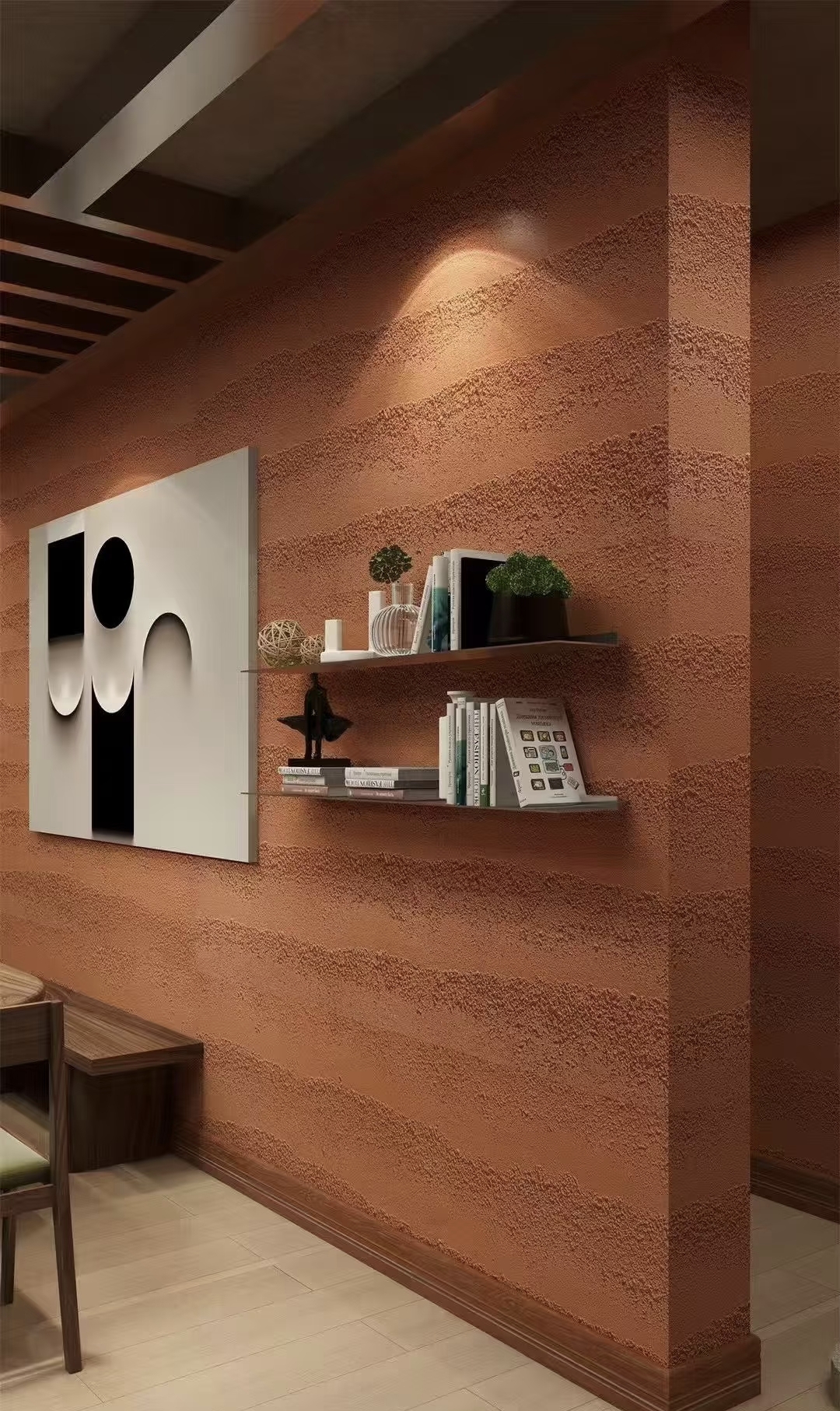
While the industry struggles with high labor costs and frequent quality complaints, Olinmat has completed its transformation from "manufacturing" to "intelligent manufacturing." We have not only redefined the production standards of soft porcelain but also, in the extremely demanding environmental regulations of the Middle East market, secured a ticket for "China Intelligent Manufacturing" into the high-end building materials sector.
Industry Pain Points: The "Three Mountains" of Traditional Soft Porcelain Lines
For a long time, the soft porcelain industry has been trapped in a cycle of inefficient competition. Understanding Olinmat's intelligent upgrades requires first recognizing the fatal flaws of traditional models:
1. High Labor Dependency – Profits Eaten Away by "Manpower Tactics"
Traditional soft porcelain production is essentially an upgraded version of a manual workshop. Every step — from raw material proportioning to pressing and molding — heavily relies on the experience of skilled workers. Data shows that in traditional lines, labor costs often account for more than 30% of total expenses. This not only means slim profit margins but also limits production capacity based on the number and mood of technicians, making 24/7 stable delivery impossible.
2. Visual Quality Control – Handing Risks Over to Customers
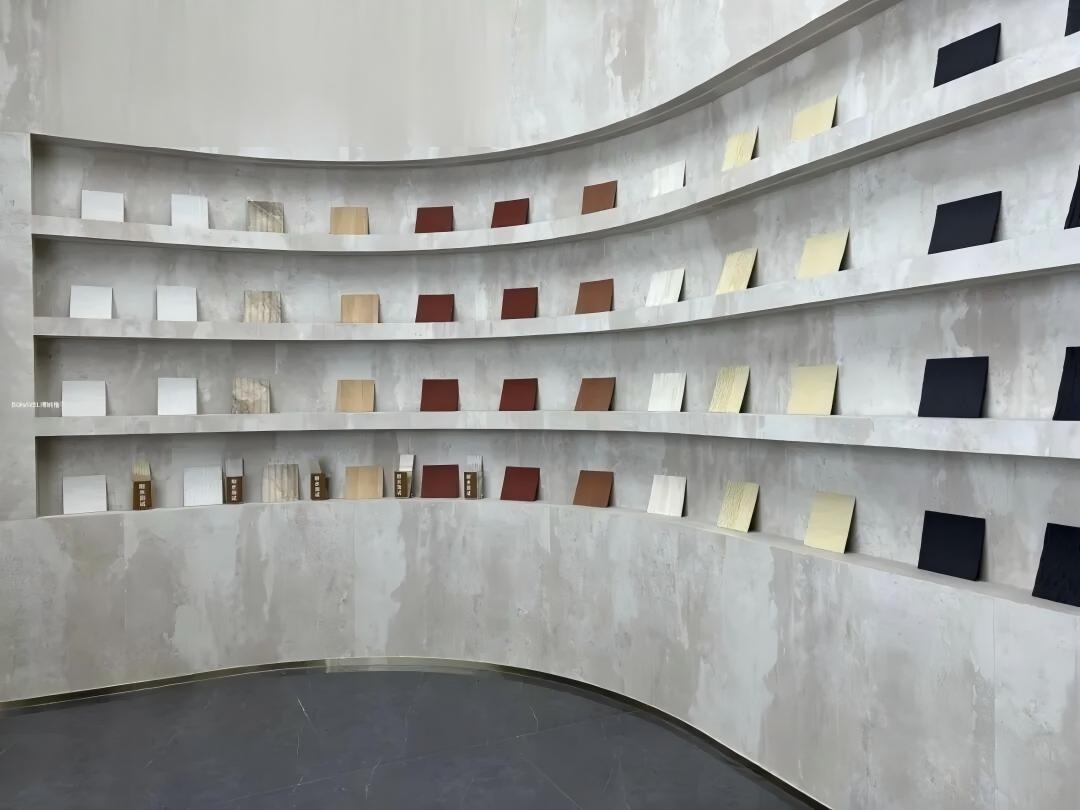
The beauty of soft porcelain lies in its realistic stone texture and consistent color. But under traditional lines, inspectors rely on the naked eye to detect color differences and cracks under strong light, resulting in a missed detection rate as high as 5%–8%. This means that for every 100 square meters shipped, nearly 8 square meters may have potential defects. This leads not only to huge rework costs but also severely damages brand reputation.
3. Energy Consumption "Black Hole" – Swallowing Corporate Profit Margins
The drying kiln is the heart of soft porcelain production — and a major energy consumer. Crude temperature control in traditional processes causes gas costs to account for over 25% of total production costs. In an era of soaring energy prices, this "high energy consumption, low efficiency" model leaves companies defenseless in price wars.
Olinmat's Answer: Full-Chain Intelligent Manufacturing, Redefining the "Tile" Standard
Faced with the above pain points, Olinmat chose not to make minor repairs but to completely transform. We have introduced a fully automatic, Industry 4.0-based intelligent production line that, through digital control, thoroughly addresses traditional chronic issues.
Precise Proportioning – Say Goodbye to "Estimation"
The Olinmat intelligent line is equipped with a high-precision loss-in-weight feeding system. Unlike the randomness of manual loading, our system controls raw material proportioning accuracy to gram-level tolerance. This fundamentally ensures the physical performance of each batch of soft porcelain remains highly consistent — no more "some batches soft, some batches hard."
Visual Recognition – Making "Zero Defects" the Standard
We fully understand the Middle East market's extreme pursuit of architectural aesthetics. Therefore, the Olinmat line integrates an AI visual inspection system. Combining high-definition industrial cameras with deep learning algorithms, the system captures micro-cracks or slight color differences invisible to the human eye at hundreds of frames per second. We have drastically reduced the missed detection rate from the industry's 5%–8% to below 0.5%. Only products that pass this "sharp-eyed" test can leave the factory with the Olinmat label.

Smart Kiln – Using Every Bit of Heat Where It Matters Most
To address the energy pain point, Olinmat developed an AI dynamic temperature control algorithm. Our drying system no longer operates rigidly at a constant temperature but dynamically adjusts temperatures across zones based on raw material humidity, ambient temperature, and production load. This single innovation has reduced gas energy consumption per unit by nearly 30%. This not only significantly lowers production costs but also gives Olinmat products a stronger eco-competitive edge in carbon footprint accounting.
Focus on the Middle East: An "Oasis" of Opportunity in the Desert
Why is Olinmat directing the results of its intelligent upgrades primarily toward the Middle East?
Many people's impression of the Middle Eastern building materials market remains stuck on "import-dependent" and "heat-resistant." But in fact, Gulf countries represented by Saudi Arabia and the UAE are undergoing a profound green building revolution.
Facing Extreme Climates – Olinmat Speaks Through Data
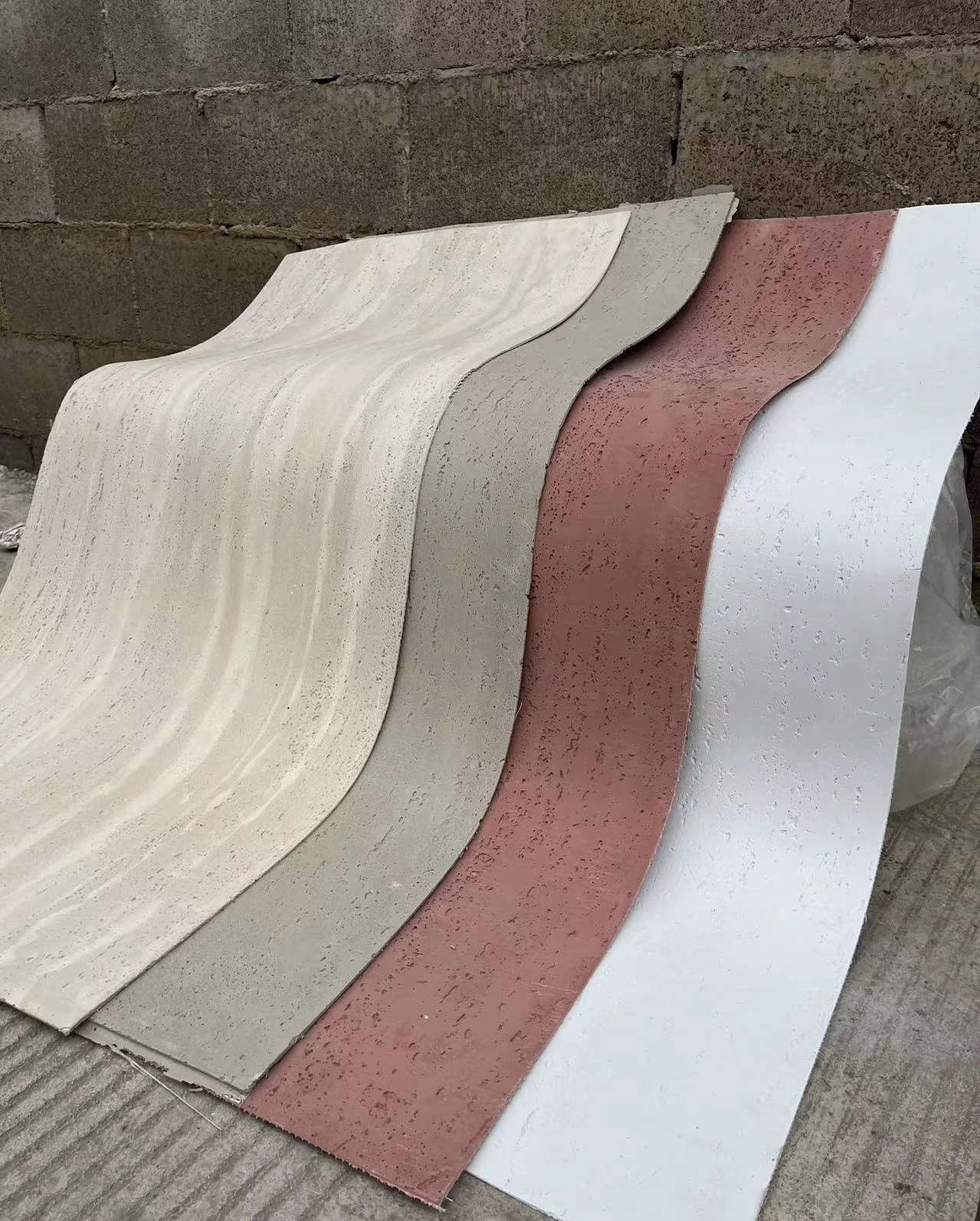
Summer surface temperatures in the Middle East can reach as high as 70°C, with extremely intense UV radiation. Ordinary soft porcelain tends to age, fade, or even blister. Olinmat's products, produced with extreme density thanks to our intelligent line, feature very low water absorption and excellent weather resistance. We not only meet ASTM standards but have also optimized our formulas for the Middle Eastern climate, ensuring dimensional stability even under extreme temperature fluctuations.
Aligning with "Saudi Vision 2030" and Environmental Regulations
Saudi Arabia implemented the "Regulations on the Use of Eco-Friendly Building Materials in Construction Projects" in 2023, mandating the use of environmentally friendly materials.
Olinmat's intelligent production line is itself a green credential. Our low-energy production model fully aligns with the ESG requirements of Middle Eastern nations. While competitors are still dumping low-quality products at low prices, Olinmat, with its "green soft porcelain" that meets international environmental standards, has successfully entered high-end commercial complexes and villa projects in the region.
Customized Services – Agile Production That Stays Ahead
The Middle East market has a preference for specific tones (such as desert yellow and golden brown) and special patterns. Traditional lines often require hours of shutdown to change molds or colors.
Olinmat's intelligent line offers extreme flexible production capabilities. Thanks to patented technology similar to "a continuous production line for customized soft porcelain products," we can achieve rapid online changeovers. Whether it's custom textures mimicking natural stone or large batches of standard panels, Olinmat meets the personalized needs of Middle Eastern customers with shorter lead times and more stable quality.
Walk with the Intelligent Manufacturer
On the soft porcelain track, Olinmat is not just a material producer but also a technology-driven solution service provider.
We deeply understand that only by intelligently solving the underlying problems of "unstable quality control, excessive costs, and high energy consumption" can we truly empower our global partners. On the hot and opportunity-rich soil of the Middle East, Olinmat, with its hardcore intelligent manufacturing strength, is becoming a high-end new choice to replace traditional ceramics and stone.
Choosing Olinmat means not only choosing a high-quality soft porcelain but also a stable, green, and highly profitable partnership.
Olinmat – Intelligently crafting flexible stone, building a green future.