



Wall stickers – a seemingly simple wall decoration product – are sparking a "light renovation" revolution across the globe. From China's vast manufacturing base to the rapidly growing building materials market in the Middle East, wall stickers are reshaping how people perceive and choose wall coverings with their unique advantages of convenience, affordability, and personalisation.
Over the past few years, China's wall sticker industry has undergone a profound transformation – from handmade production to machine manufacturing, and from single‑material options to a diverse range of products. At the same time, the construction and home improvement sectors in the Middle East – particularly in Egypt – continue to heat up, opening unprecedented market opportunities for wall sticker products.
This article will provide an in‑depth analysis of the current state and future opportunities for the wall sticker category from two perspectives: the Chinese market and exports to the Middle East.
I. The Chinese Market: The "Powerhouse" Behind the Wall Sticker Industry
Market Size Continues to Expand
According to industry statistics, China's wall sticker market reached RMB 12 billion in 2024, and is expected to exceed RMB 15 billion in 2025, maintaining a growth rate of over 15%. This growth is primarily driven by rising consumer demand for personalisation and aesthetics, as well as the continued recovery of the real estate market. As people place greater emphasis on the aesthetics of their living environments, the market potential for wall stickers – as a convenient and economical decorative solution – is accelerating.
In terms of consumer demographics, the main consumer group for wall stickers is the younger generation, particularly the post‑90s and post‑00s, who account for over 60% of the total consumer base. This group has a natural preference for personalised, replaceable home decoration options – and the feature that "you can change it after two or three years if you don't like it" precisely hits their needs.
Significant Industry Aggregation Effect
China is the world's largest production base for wall stickers and wallpaper. The Taizhou Gaogang High‑tech Zone in Jiangsu Province has become the country's largest wallpaper production and processing cluster, accounting for approximately 30% of national wallpaper production capacity. Provinces including Zhejiang, Henan, and Jiangxi have also formed specialised decorative wall material manufacturing clusters, constituting a complete supply chain system for China's wall sticker industry.
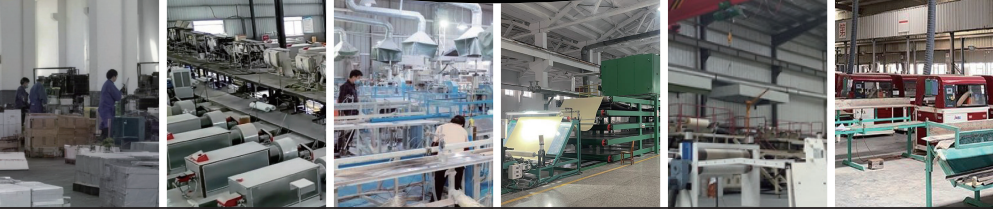
This industry aggregation‑driven scale effect gives Chinese wall sticker products a global competitive advantage in cost control, production efficiency, and pattern development.
Strong Export Performance
Leveraging rich patterns and price advantages, Chinese wall sticker products are exported to over 200 countries and regions worldwide. During the March 2025 New Trade Season on Alibaba International Station, order volume in the wallpaper category grew by over 50% year‑on‑year, with new paying buyers increasing by 85% . Wall stickers have become one of the most actively growing categories in China's building materials exports.
II. Core Advantages of Wall Sticker Exports to the Middle East
"No‑Installation" Directly Addresses Overseas Pain Points
Overseas markets – especially the Middle East – face extremely high labour costs. The core advantage of wall stickers lies first in their "no‑installation" nature – eliminating the need for professional installation significantly lowers the barrier to use. Unlike traditional wallpaper, which requires professional applicators for glue application, cutting, and installation, PVC self‑adhesive wall stickers can be applied directly by peeling off the backing paper – consumers can complete a wall transformation themselves in just half an hour.
This DIY attribute is particularly popular in the Middle East. Egypt's DIY home improvement market has shown rapid growth in recent years, with more and more consumers preferring to undertake home renovations themselves. Wall stickers perfectly meet this trend.
Rich Patterns, Flexible Adaptation
Chinese wall sticker manufacturers also excel in product design. From tile and stone imitations to wood‑grain and fabric‑texture finishes, from modern minimalist to vintage luxury styles, Chinese wall sticker companies can rapidly respond to the aesthetic demands of different markets. Middle Eastern consumers have a particular preference for luxurious metallic finishes, rich colours, and exquisite patterns. With strong design and R&D capabilities and flexible production capacity, China's wall sticker industry can precisely match these needs.
Price Competitiveness and Supply Chain Efficiency
Benefiting from a complete industrial chain and scale effects, Chinese wall sticker products offer significant price advantages. At the same time, China's well‑developed logistics systems and export infrastructure ensure that products can reach Middle Eastern markets efficiently and reliably. In 2024, China became the largest export source country for Egyptian imports of plastic floor, wall, and ceiling coverings.
Improving Environmental Standards
As Middle Eastern countries place greater emphasis on green building and sustainable development, China's wall sticker industry is accelerating its shift towards environmental compliance. An increasing number of Chinese wall sticker products now feature low‑VOC emissions and recyclable materials, meeting the increasingly stringent environmental access requirements of the Middle Eastern market.
III. The Middle Eastern Wall Sticker Market: A Blue Ocean with Enormous Growth Potential
GCC Market Leads the Middle East
The GCC wallpaper market is valued at USD 825 million, driven by urbanisation, rising incomes, and growing interest in interior aesthetics. The UAE leads the regional market with strong real estate development and a mature design industry; Saudi Arabia benefits from large‑scale infrastructure and housing investment; Qatar's urbanisation and international events continue to drive demand for high‑end wall covering materials.
Emerging Markets Show Remarkable Growth
In the Middle East, demand for wall stickers is growing particularly rapidly. Alibaba International Station data shows that Saudi Arabia's wallpaper orders grew over 40% year‑on‑year, while the UAE has ranked among the platform's TOP 5 countries by global order volume. The Middle East has emerged as a significant growth pole for China's wallpaper exports. These figures clearly indicate that Middle Eastern consumers' demand for wall covering products is rapidly expanding.
Egypt: A Potential Market Not to Be Overlooked
As one of the most populous countries in the Middle East and North Africa, and home to one of the region's most active construction markets, Egypt's demand for wall stickers is equally significant.
In terms of market size, Egypt's home décor market was valued at USD 8.14 billion in 2024, and is projected to reach USD 17.84 billion by 2033. This vast market provides a broad consumer base for wall sticker products.
In terms of import data, China's exports of plastic floor, wall, and ceiling coverings to Egypt reached USD 4.669 million (approximately 1.167 million kg) in 2024. China is Egypt's largest export source in this category, far ahead of Saudi Arabia (USD 905,000) and the UK (USD 174,000).
In terms of industry trends, the Egyptian government is actively promoting localised production of PVC building materials. In 2025, the Suez Canal Economic Zone signed an agreement with a Chinese company to invest USD 85 million in a PVC flooring and wall panel factory. While this trend will drive localisation in basic building materials, the Egyptian market will remain highly dependent on Chinese imports for wall stickers with rich patterns and diverse designs – because localised production focuses mainly on bulk commodity products, while high‑value‑added decorative wall stickers are precisely where Chinese manufacturers excel.
IV. OlinMat Wall Stickers: Rooted in Egypt, Connecting Chinese Manufacturing with the Middle Eastern Market
As a company deeply rooted in Egypt's building materials market for years, OlinMat has a profound understanding of both the manufacturing advantages of China's wall sticker industry and the consumer needs of the Middle Eastern market.
OlinMat Wall Sticker Highlights:
✅ Backed by China's complete wall sticker supply chain – rich patterns, stable quality
✅ PVC self‑adhesive material – waterproof, moisture‑proof, wear‑resistant, stain‑resistant, adapted to Egypt's climate
✅ Self‑adhesive backing – peel and stick, no‑skill installation, aligning with the DIY home improvement trend
✅ Multiple styles – Hot Foil Stamping, Gilded, Metallic, Velvet, Grille – to suit different aesthetics
✅ Eco‑friendly materials – odour‑free, ready to use immediately
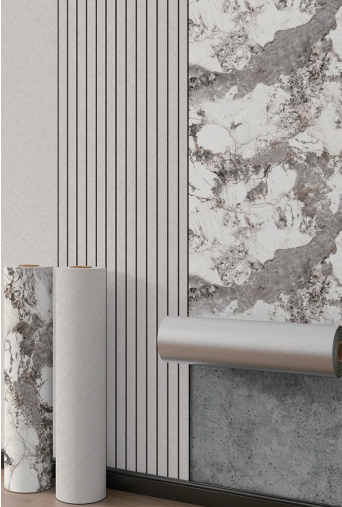
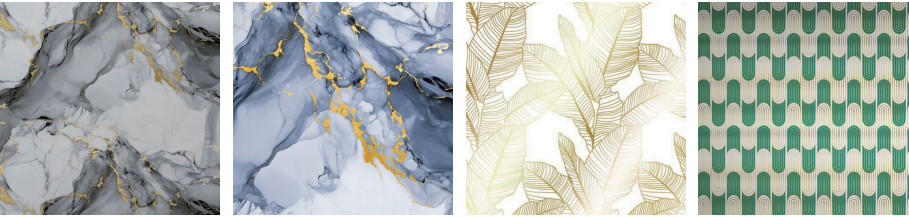
We have a showroom and in‑stock warehouse in Egypt – this local presence delivers unique value to Egyptian customers:
Physical Viewing: Clients can visit our showroom to experience product texture and colours firsthand
Ready Stock: No need for long sea freight waiting times – pick up immediately when needed, significantly shortening procurement cycles
Local Service: Our Egypt‑based team provides professional consultation and after‑sales support
Showroom & Trade Integration: The showroom combines display and trading functions – view samples and negotiate purchases in one place
Whether for individual home renovations, commercial space decoration, or project procurement, OlinMat delivers professional product solutions and reliable supply assurance.
📩 Interested in cooperation or bulk purchasing? Let's talk!
Please reach out to us through our official website or social media channels – we'll respond promptly. OlinMat looks forward to partnering with you to bring quality wall covering solutions to every space.
Let me know if you need an Arabic version or any further adjustments.