



China's domestic MCM soft stone market is undergoing a profound structural transformation. At the same time, Egypt's construction market is in a historic expansion cycle, with demand for lightweight, green building materials being fully unleashed. Two markets – one upgrading internally, the other expanding externally – are creating unprecedented growth space for the MCM soft stone category.
I. The Domestic Market: Structural Opportunities in the Stock Era
Ceramic Tiles' "Territory" Is Being Eroded
As the real estate market enters the stock era, ceramic tiles – which once held an absolute "dominant" position in wall and floor covering materials – are facing unprecedented challenges. In 2023, global ceramic tile exports fell by 2.3% year‑on‑year, continuing the downturn of recent years. As demand for renovation projects, partial renovations, and urban renewal becomes the new growth driver, a wave of new decorative materials characterised by lightweight, fast installation, and environmental friendliness is rapidly emerging, forming a "comprehensive encirclement" of ceramic tiles across various application scenarios.
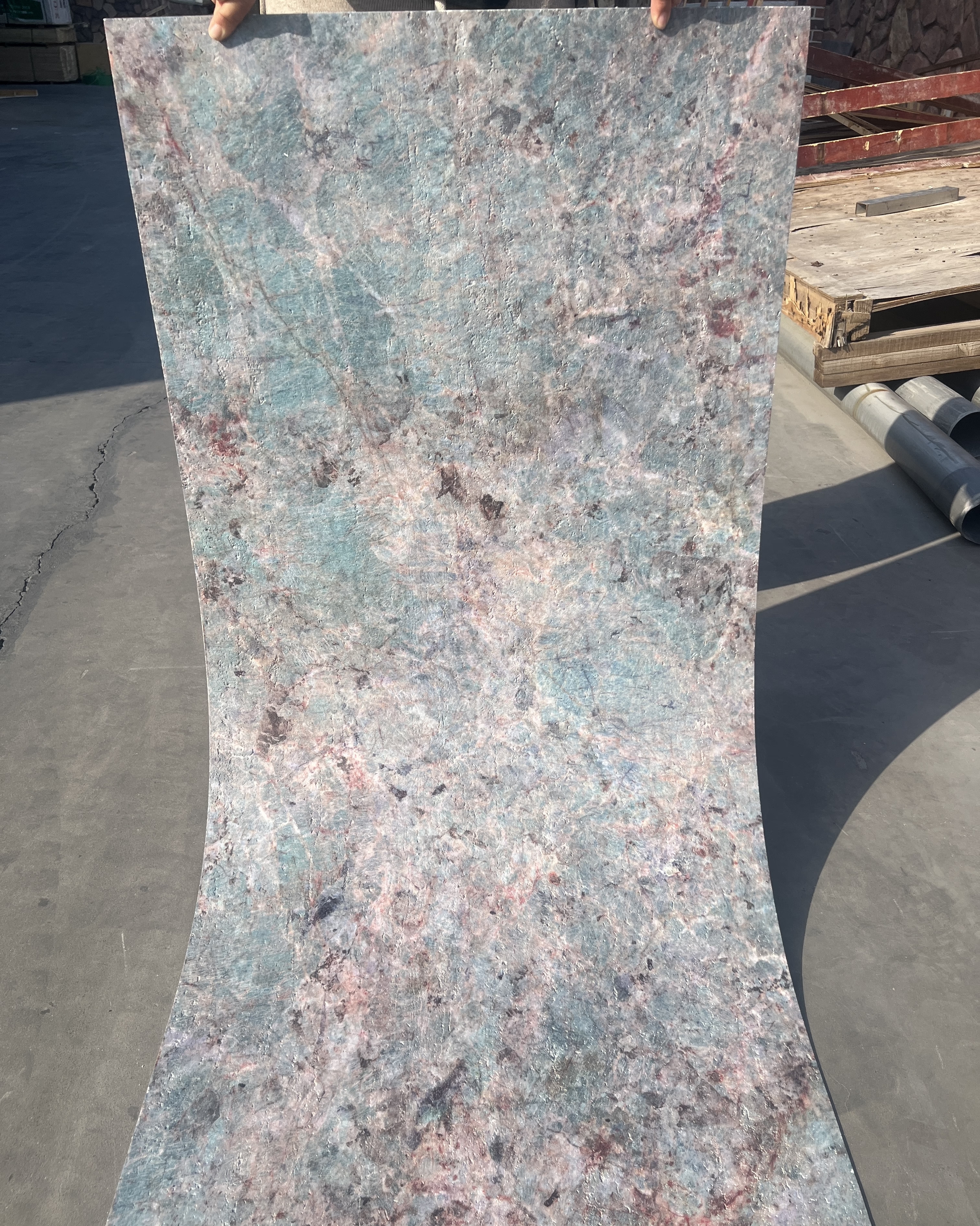
The contraction of the ceramic tile market has opened a window for alternative materials. MCM soft stone – a flexible architectural decorative sheet material made primarily from modified inorganic mineral composite (MCM), formed through a specially controlled thermoforming, curing, and irradiation cross‑linking process – is becoming one of the key product categories capturing this demand.
The Fundamental Strength of the MCM Soft Stone Industry
The global MCM soft stone industry demonstrated steady growth in 2025, with the market exceeding USD 4.87 billion , representing 11.3% year‑on‑year growth. China continued to play the role of the core engine, with total industry output rising to RMB 12.68 billion in 2025 and exports reaching USD 920 million , up 14.7% year‑on‑year.
In terms of global share, China accounts for 48% of the global MCM soft stone market, maintaining a CAGR of over 14% . Chinese domestic manufacturers achieved key material breakthroughs in 2025, with unit production costs falling by 15.7% compared to 2023. China now holds 65% of global MCM soft stone production capacity.
Export Structure Is Upgrading
China's MCM soft stone exports are shifting from "volume growth" to "value growth." In 2023, China's MCM soft stone export volume grew by 25% year‑on‑year, with average export prices 40%‑60% higher than traditional ceramic tiles – highlighting its high value‑added characteristics. This performance stands in stark contrast to traditional ceramic tile exports, which, despite an 8.97% increase in volume, saw export value decline by 2.16% year‑on‑year.
Southeast Asia, the Middle East, and other countries along the "Belt and Road" have strong demand for lightweight, eco‑friendly building materials. The Middle East and Africa region, driven by accelerating infrastructure development, saw MCM soft stone demand growth of 18.1% , becoming the fastest‑growing market globally. In 2025, Chinese MCM soft stone products were exported to over 30 countries , with exports accounting for nearly 30% of total production.
Policy Support Continues to Strengthen
On the policy front, support for green building materials continues to intensify. Under China's "Dual Carbon" goals, the "Green and Low‑Carbon Transformation Industry Guidance Catalogue" lists MCM soft stone as a priority promoted material. China's 2024 updated green building material evaluation standards have included MCM soft stone in the priority procurement catalogue. From January 2025 , the government procurement policy for green building materials expanded to 101 cities.
In terms of technology patents, by the end of 2025, the cumulative number of MCM soft stone‑related patents globally exceeded 18,000 , with Chinese applicants accounting for 34.6% . Among new patents in 2025, applications related to biodegradable substrates and heat‑reflective coating technologies grew by 41.5% and 37.2% year‑on‑year, respectively.
Industry forecasts project that with deepening RCEP regional trade and the release of African infrastructure demand, China's MCM soft stone exports are expected to exceed RMB 100 billion by 2030, with global market share surpassing 50% .
II. The Egyptian Market: Historic Opportunities Are Opening Up
If the domestic market provides the "certainty" of stock demand, then the Egyptian market is creating the "possibility" of incremental growth.
How Large Is Egypt's Construction Market?
Egypt is the third‑largest construction market in the Middle East and North Africa. The country currently has USD 120 billion worth of projects under construction, with a future project pipeline estimated at USD 565.5 billion. Egypt's construction industry is projected to achieve 4.7% real growth in 2025, with expectations of reaching 6.4% in 2026. From 2027 to 2029, industry output is expected to grow at an average annual rate of 7.8% .
Egypt's 2025/26 fiscal year budget totals EGP 4.6 trillion (approximately USD 91.3 billion) . The New Administrative Capital project alone represents a USD 58 billion investment. The government plans to build 672,000 housing units by 2030, with an investment of EGP 318 billion (approximately USD 6.3 billion) . In 2026 alone, the government plans to construct over 2 million new affordable housing units.
How High Is Egypt's Dependence on Building Material Imports?
Egypt's domestic ceramic and sanitary ware production is concentrated in Cairo and Giza, with 93 ceramic wholesalers and 72 sanitary ware wholesalers accounting for over 36% of the national total. While Egypt itself is a major producer and exporter of traditional ceramic tiles and sanitary ware in the Middle East and North Africa, its product range is concentrated in conventional tiles and sanitary ware.
For MCM soft stone, Egypt has virtually no significant local production capacity. This means MCM soft stone is a "blank category" in Egypt – no local competitors, no established price anchors, no entrenched procurement channels. For Chinese MCM soft stone exporters, this represents a classic "incremental market" opportunity.
Green Building Material Tariff Reductions – A Critical Policy Advantage
This is the most noteworthy policy signal. Effective from January 1, 2026 , Egypt will reduce import tariffs on LEED‑certified green building materials from 20%‑30% to 10%. MCM soft stone, as a low‑carbon, eco‑friendly material, fits squarely into this tariff reduction category.
At the same time, Egypt issued its first "Green Building Code" in 2025. The New Urban Communities Authority (NUCA) now requires new projects to obtain Egypt‑certified "Pyramid" sustainability certificates. Developers who meet the standards are eligible for tax incentives, financing facilities, and priority land allocation.
Tariff reductions + green building codes + mandatory certification for new projects – this triple policy overlay is creating unprecedented access advantages for green‑certified building materials like MCM soft stone.
III. The Confluence of Two Markets: OlinMat's Bridge Value
The structural transformation of the domestic market is pushing the MCM soft stone industry from "scale expansion" toward "quality leadership." Egypt's historic market expansion is unleashing enormous demand for lightweight, green building materials. The convergence of these two trends is precisely where OlinMat's core value lies.
OlinMat MCM Soft Stone Highlights:
✅ China Green Product Certification – qualifying for Egypt's green building material tariff reductions
✅ Lightweight and flexible – only 3‑8 kg/m², meeting high‑rise building load requirements
✅ Class A fire rating – meeting Egypt's safety standards for public buildings and high‑rise residential
✅ Strong weather resistance – 3,500 hours of accelerated aging testing, adapted to Egypt's hot and dry climate
✅ Easy installation – can be applied directly over existing walls, drastically shortening project schedules
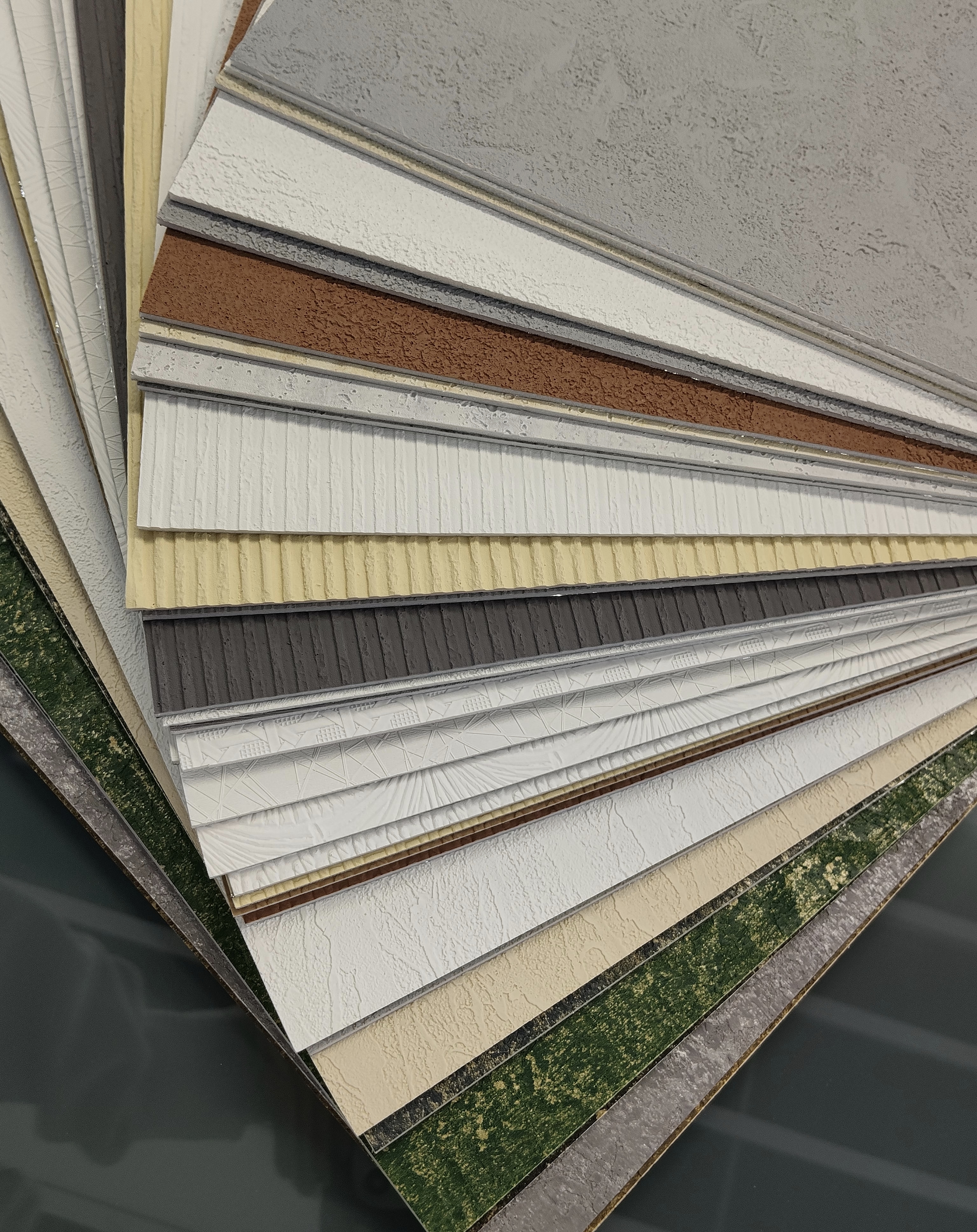
✅ Rich colour and texture options – customisable to simulate stone, wood, brick, and more
We have a large showroom and in‑stock warehouse in Egypt. Customers can visit our showroom to view samples and experience product texture and flexibility firsthand. Our in‑stock warehouse ensures immediate availability – no need for long sea freight waiting periods. Whether for large‑scale projects, commercial space renovations, or urban renewal and refurbishment, OlinMat delivers professional product solutions and technical support.
📩 Interested in project collaboration or procurement? Let's talk!
Please reach out to us through our official website or social media channels – we'll respond promptly. OlinMat looks forward to partnering with you to bring sustainable, high‑quality building solutions to every project.
Let me know if you need an Arabic version or any further adjustments.