



For the past decade, the dominant narrative in building facades has been "heavy" and "rigid" – the weight of stone, the hardness of ceramic tiles, seemed to naturally represent quality. But a set of data from 2025 prompts a re‑examination of this logic: the global MCM soft stone market exceeded USD 4.87 billion , with projections reaching USD 8.23 billion by 2030. China accounts for 48% of the global market, maintaining a CAGR of over 14% .
Behind this growth lies a clear signal: the architectural finishes industry is shifting from "heavy and rigid" to "lightweight and flexible" .
I. What Is MCM Soft Stone and How Is It Different from Traditional Tiles?
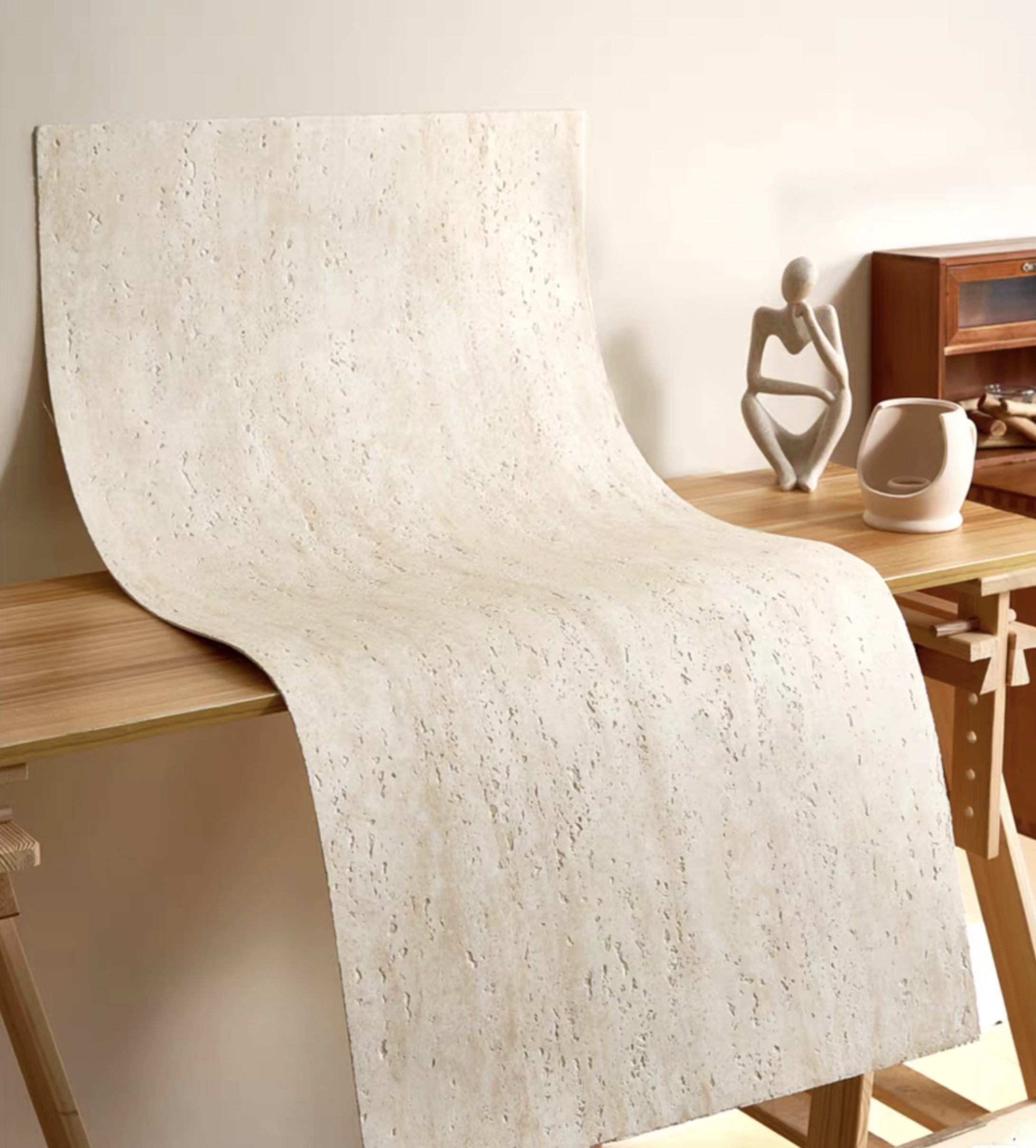
MCM soft stone – short for Modified Inorganic Mineral Composite – is a flexible architectural decorative sheet material made primarily from modified inorganic mineral composite, formed through a specially controlled thermoforming system, curing, and irradiation cross‑linking. It is only 2‑4mm thick , can be bent freely, and is lightweight, thin, and flexible.
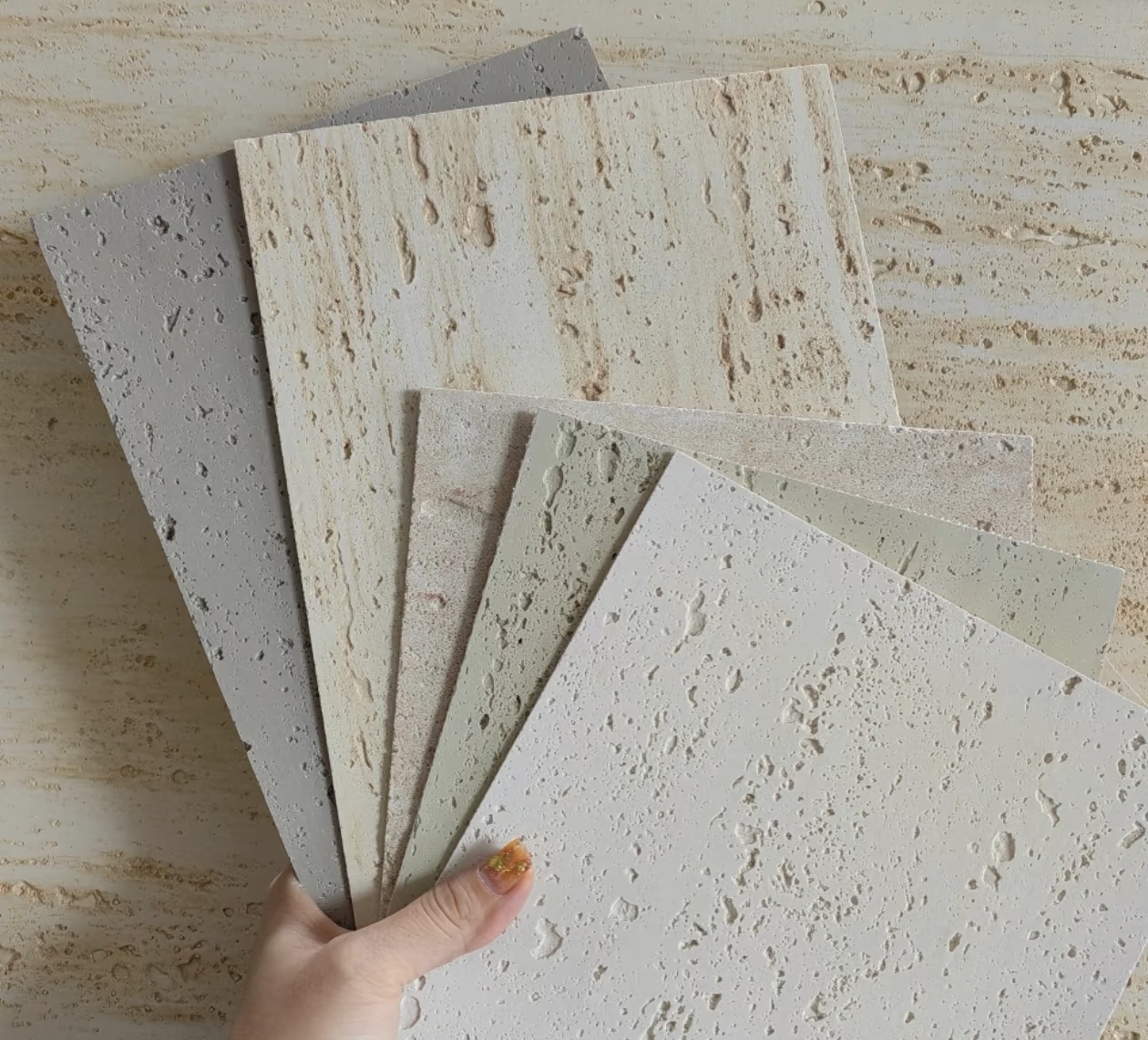
Unlike traditional ceramic tiles, which require high‑temperature firing at over 1,200°C , MCM soft stone uses low‑temperature curing at approximately 180°C , reducing energy consumption by over 70% and carbon emissions by 80% , with zero waste gas and zero wastewater throughout the entire production process.
In 2025 , MCM soft stone officially received China Green Product Certification , and the "Modified Inorganic Mineral Composite Building Decorative Sheet (MCM Soft Stone)" standard was issued and implemented simultaneously. This signifies that MCM soft stone is no longer a "conceptual" new material, but a mature building material category backed by national standards and green certification .
II. Fast‑Install Commercial Spaces: A Neglected Multi‑Billion‑Dollar Market
The application scenarios for MCM soft stone are undergoing a significant shift – from "exterior wall material" to "commercial fast‑installation" .
Traditionally, MCM soft stone's primary battlefield was high‑rise residential facades and renovation projects. But a notable trend in 2025 is that fast‑installation demand from commercial spaces is becoming the fastest‑growing segment for MCM soft stone. According to industry reports, commercial spaces (retail stores, hotels, office buildings) – driven by urgent needs for rapid installation, custom patterns, and reduced floor load – are seeing annual demand growth significantly above the industry average.
The logic is simple. Commercial spaces such as restaurants, hotpot outlets, hair salons, and office corridors have extremely short renovation windows – every day of closure means lost revenue. Traditional tile installation is complex and time‑consuming, while MCM soft stone allows two workers to easily complete 200‑300 square metres of installation per day. In the words of industry insiders: "MCM soft stone is fundamentally different from traditional coatings – our positioning is fast‑installation commercial spaces."
In terms of aesthetic expression, MCM soft stone has also achieved breakthroughs. It offers a textured surface that coatings cannot replicate, combined with advanced inkjet printing technology, to deliver visual effects that rival or even surpass wall panels, tiles, and paints.
III. What Technological Changes Are Happening?
In 2025, technological innovation in the MCM soft stone industry is concentrated in three directions:
Digital high‑definition printing. Through fourth‑generation 3D online printers, the weather resistance and expressive quality of MCM soft stone products have improved by over 80% compared to traditional processes. From travertine, star stone, to leathered finishes, inorganic inkjet MCM soft stone products can now accurately reproduce every detail of natural stone.
Biodegradable bio‑based MCM soft stone. In 2025, three manufacturers launched experimental products, with small‑batch supply expected to begin in 2026. This means MCM soft stone's "green identity" will extend from production to the full product life cycle.
Adhesive interface modification and surface functional coatings. In 2025, the number of published MCM soft stone‑related invention patents globally achieved double‑digit growth, with patent barriers emerging as a primary challenge for new entrants.
These technological breakthroughs are reshaping MCM soft stone's product forms and market boundaries – it is no longer just a "substitute" but an independent category carving out its own path .
IV. Overseas Markets: The Explosive Growth of the "Pre‑fabricated + Self‑adhesive" Model
MCM soft stone's overseas market performance may be one of the most noteworthy industry events of 2025.
In July 2025 , one MCM soft stone manufacturer reported a four‑fold year‑on‑year increase in overseas orders, with production scheduled months ahead. A manufacturer in Suining, Jiangsu, established in March 2025 and operational by September, saw 60% of its orders coming from international markets, with products exported to nearly 30 countries including Thailand, Indonesia, and the UAE. Another manufacturer's products now reach 36 countries across Southeast Asia, the Middle East, Europe, Africa, and the Americas.
The core driver behind this explosive growth is the "pre‑fabricated + self‑adhesive" model. In Europe, labour costs can reach €50 per hour , making decorative paint finishes prohibitively expensive. MCM soft stone, pre‑finished at the factory and ready for DIY installation, dramatically reduces labour costs. Combined with overseas consumers' strong DIY culture and willingness to undertake home improvement projects themselves, market acceptance of MCM soft stone is rapidly increasing.
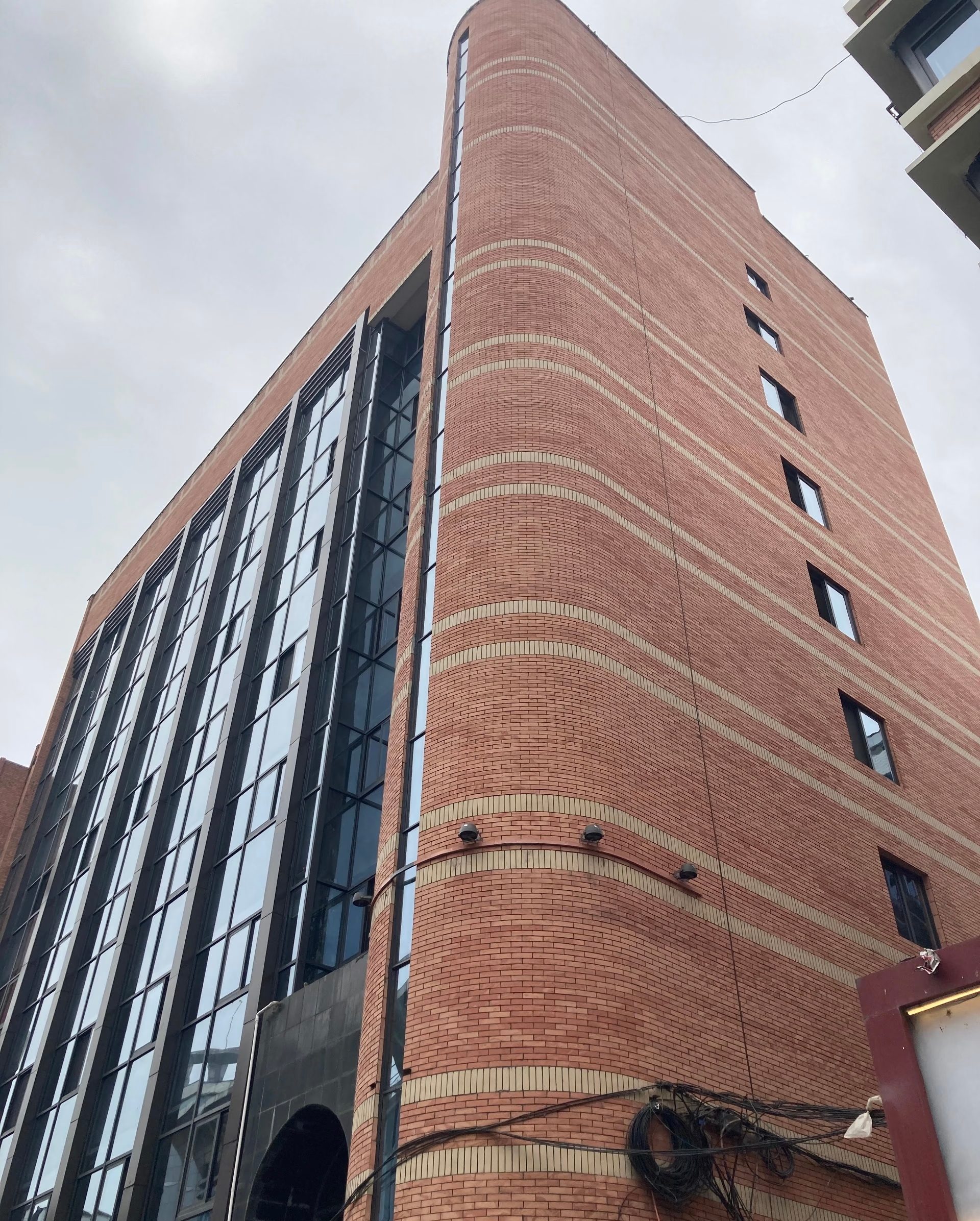
This model is equally applicable to the Middle Eastern market. In the Middle East, commercial projects are high‑volume, thin‑margin but stable in demand – MCM soft stone's lightweight properties and fast installation capabilities naturally align with market needs.
V. Egypt and the Middle East Market: Demand Is Being Unleashed
The Middle East is one of the fastest‑growing destinations for MCM soft stone exports.
Egypt's construction market is in a historic expansion cycle. As the third‑largest construction market in the Middle East and North Africa, Egypt has secured USD 120 billion in awarded construction contracts, with a future project pipeline estimated at USD 565.5 billion. Egypt's construction industry is projected to achieve 4.7% real growth in 2025, with expectations of reaching 6.4% in 2026. Mega‑city projects – including the New Administrative Capital and New Alamein City – continue to advance.
At the same time, policy requirements for green building materials in the Middle East are tightening. In 2023, the Gulf Cooperation Council adopted the "Gulf Green Building Code" , mandating the use of eco‑friendly materials – including sustainable wall covering products – in construction and interior design, requiring compliance with minimum recycled content, low VOC emissions, and energy‑efficient manufacturing standards. MCM soft stone's green certification and low‑carbon profile are becoming key credentials for market entry.
Effective from January 1, 2026 , Egypt will reduce import tariffs on LEED‑certified green building materials from 20%‑30% to 10% . MCM soft stone, as a low‑carbon, eco‑friendly material, fits squarely into this tariff reduction category.
A manufacturer's MCM soft stone products, with 5 production lines installed and a daily production capacity of approximately 3,000 square metres , see 60% of orders coming from international markets, primarily exported to Southeast Asia, the Middle East, and Central Asia. At the BIG 5 GLOBAL 2025 construction exhibition in Dubai, Chinese MCM soft stone manufacturers made a strong collective appearance, accelerating their expansion into the Middle Eastern market.
VI. OlinMat MCM Soft Stone – Rooted in Egypt, Connecting Chinese Manufacturing with Local Demand
As a professional supplier deeply rooted in Egypt's building materials market for years, OlinMat has a profound understanding of the region's specific requirements – lightweight and safe, weather‑resistant and durable, efficient to install and consistently reliable.
OlinMat MCM Soft Stone Highlights:
✅ China Green Product Certification – qualifying for Egypt's green building material tariff reductions
✅ Lightweight and flexible – only 3‑8 kg/m², significantly reducing structural loads
✅ Class A fire rating – meeting safety requirements for high‑rise and public buildings
✅ Digital high‑definition printing technology – accurately reproducing natural stone textures
✅ Easy installation – can be applied directly over existing walls, drastically shortening project schedules
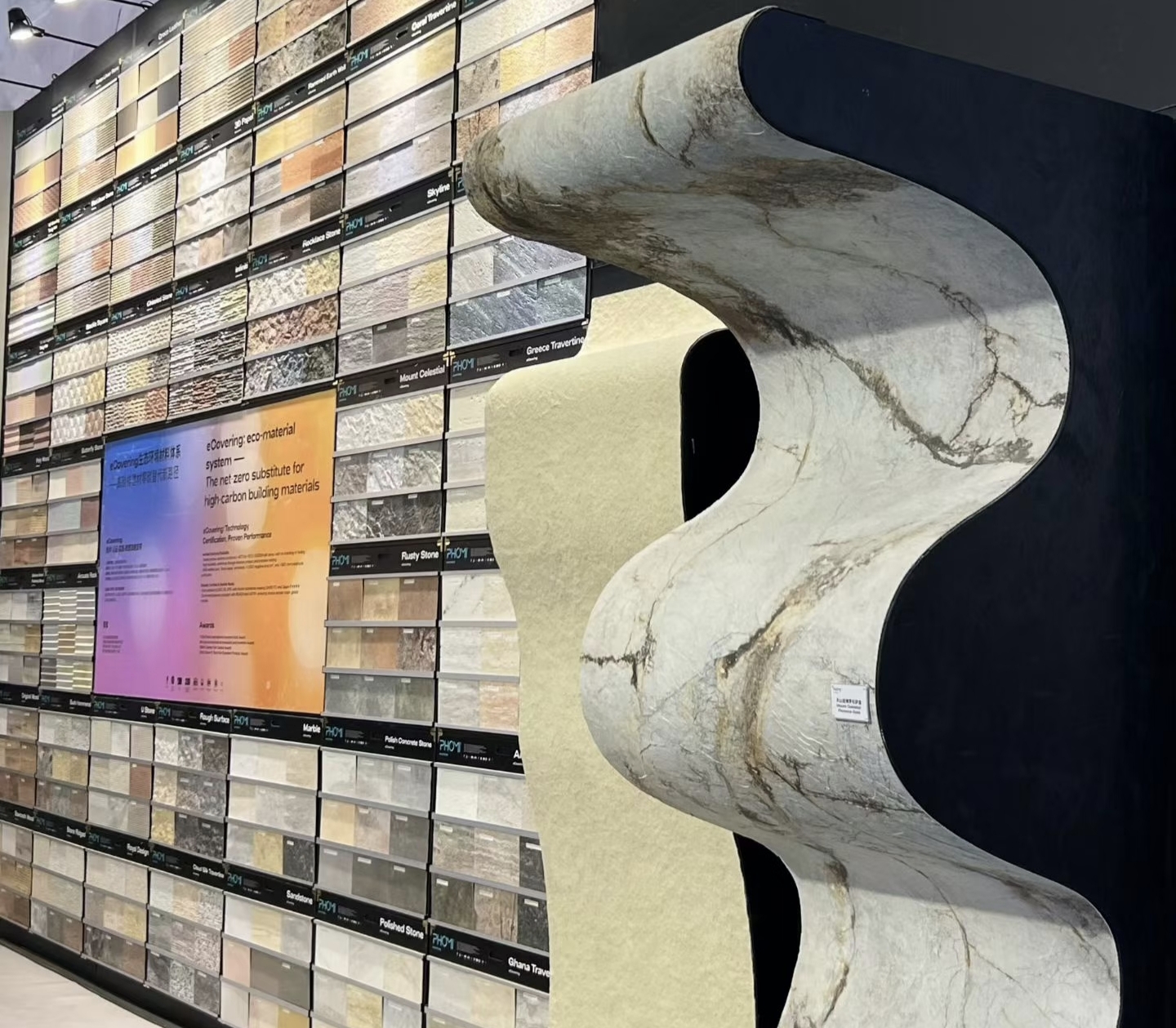
✅ Rich colour and texture options – customisable to simulate stone, wood, brick, and more
We have a large showroom and in‑stock warehouse in Egypt. Customers can visit our showroom to view samples and experience product texture and flexibility firsthand. Our in‑stock warehouse ensures immediate availability – no need for long sea freight waiting periods. Whether for large‑scale projects, commercial fast‑installation, or urban renewal and refurbishment, OlinMat delivers professional product solutions and technical support.
📩 Interested in project collaboration or procurement? Let's talk!
Please reach out to us through our official website or social media channels – we'll respond promptly. OlinMat looks forward to partnering with you to bring sustainable, high‑quality building solutions to every project.
Let me know if you need an Arabic version or any further adjustments.