



The global building decoration materials industry is undergoing a profound green transformation. In this transformation, Flexible Stone – formally known as Modified Inorganic Mineral Composite (MCM) Architectural Finishing Sheets – is transitioning from "alternative materials" to "mainstream green building materials" with its unique advantages of lightweight, flexibility, and low carbon footprint. In the Middle East, the dual drivers of large-scale infrastructure construction and green building policies are creating an unprecedented strategic window for Chinese Flexible Stone exports.
I. Middle East Construction Market: Massive Scale, Strong Demand
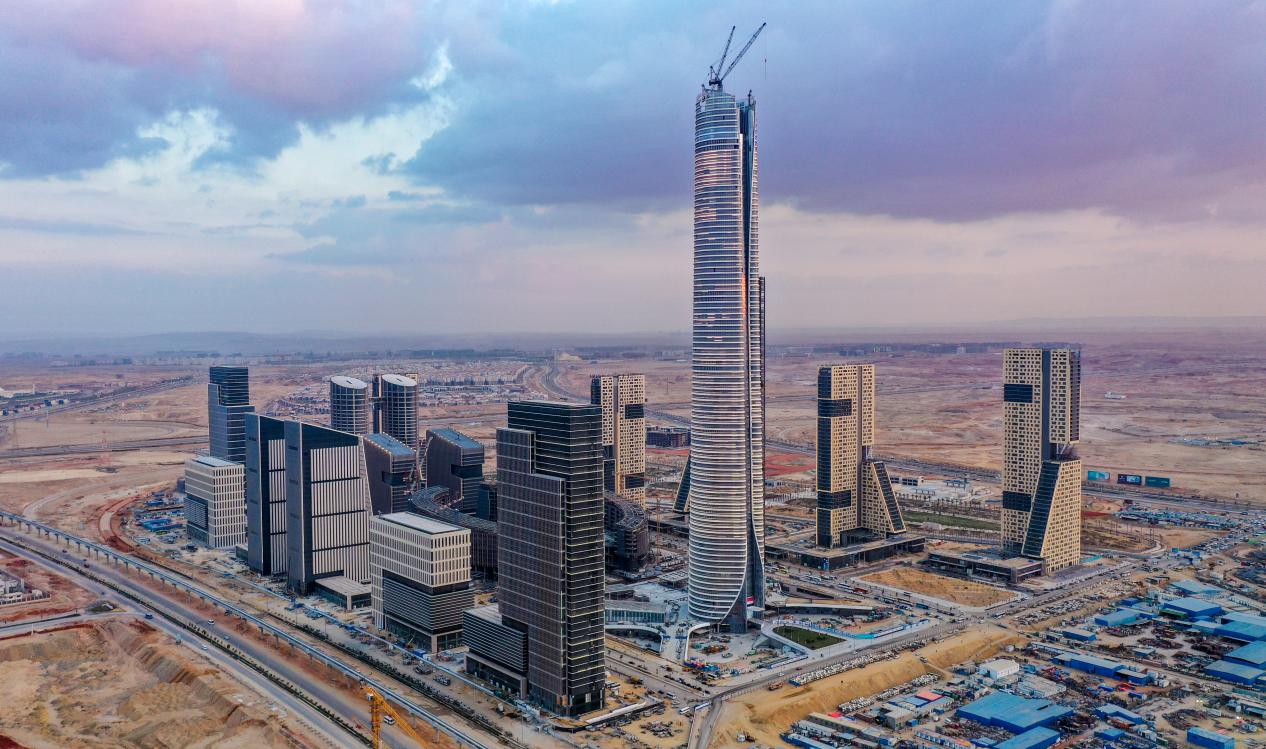
The Middle East is in the implementation phase of a new round of large-scale infrastructure and urban construction. Projects under Saudi Arabia's Vision 2030 – including NEOM, the Red Sea tourism development, and Riyadh's urban renewal – have moved from planning to substantive construction. The Saudi construction market is expected to reach USD 88.5 billion in 2026, with total infrastructure investment exceeding USD 1.5 trillion over the next decade.
Within the Gulf Cooperation Council (GCC) region, the building products market was valued at approximately USD 34.4 billion in 2025 and is projected to grow to USD 53.9 billion by 2034, representing a CAGR of about 5.13%. The UAE construction materials market is growing at an annual rate of 7.5% to 8.5% , driven by Dubai's Urban Master Plan 2040 and the ongoing development of Abu Dhabi's smart city initiatives.
This market expansion creates stable incremental demand for architectural finishing materials. Among them, new materials that meet green building standards and offer lightweight and weather-resistant properties are receiving increased procurement attention.
II. Stricter Green Building Policies: Technical Compliance Advantages of Flexible Stone
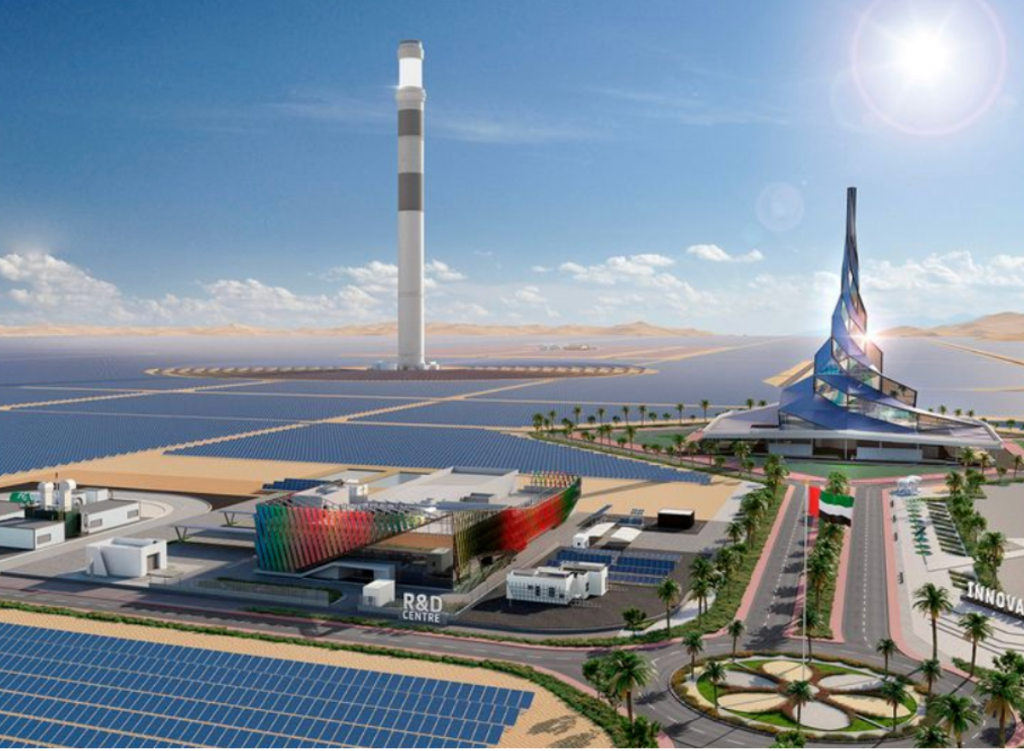
Middle Eastern countries have recently raised environmental and performance standards for building materials. The Saudi Standards, Metrology and Quality Organization (SASO) Green Building Code, the Estidama Pearl Rating System in the UAE, and the increasing adoption of LEED certification in regional projects have made low-carbon, energy-efficient, and recyclable materials a priority in large-scale tenders. The GCC sustainable building materials market was valued at USD 6.3 billion in 2025 and is expected to reach USD 13.4 billion by 2034, with a CAGR of 8.75%.
In this context, price advantage alone is no longer sufficient. Products must provide quantifiable technical indicators in terms of carbon emissions, durability, and construction efficiency. Flexible Stone offers strong technical alignment with Middle Eastern green building requirements in the following aspects:
Carbon emissions: Production energy consumption is approximately 80% lower than that of traditional ceramics, and carbon emissions are about one-sixth that of ceramics
Material utilization: Cutting waste can be recycled, complying with circular economy criteria
Lightweight: Weight per unit area ≤8 kg/m², roughly one-third that of traditional tiles, reducing structural loads and transportation energy
These characteristics enable Flexible Stone to meet the scoring requirements for materials and resources in certification systems such as SASO and LEED, steadily increasing its acceptance in Middle Eastern construction projects.
III. Climate Adaptability: Technical Parameter Advantages of Flexible Stone
The Middle East is characterized by high temperatures, intense solar radiation, and large diurnal temperature variations. Exterior finishing materials must exhibit good weather resistance, thermal stability, and crack resistance. The technical parameters of Flexible Stone align well with these environmental demands:
Temperature tolerance: Maintains structural stability within a temperature range of -30°C to 50°C without significant thermal expansion/contraction deformation
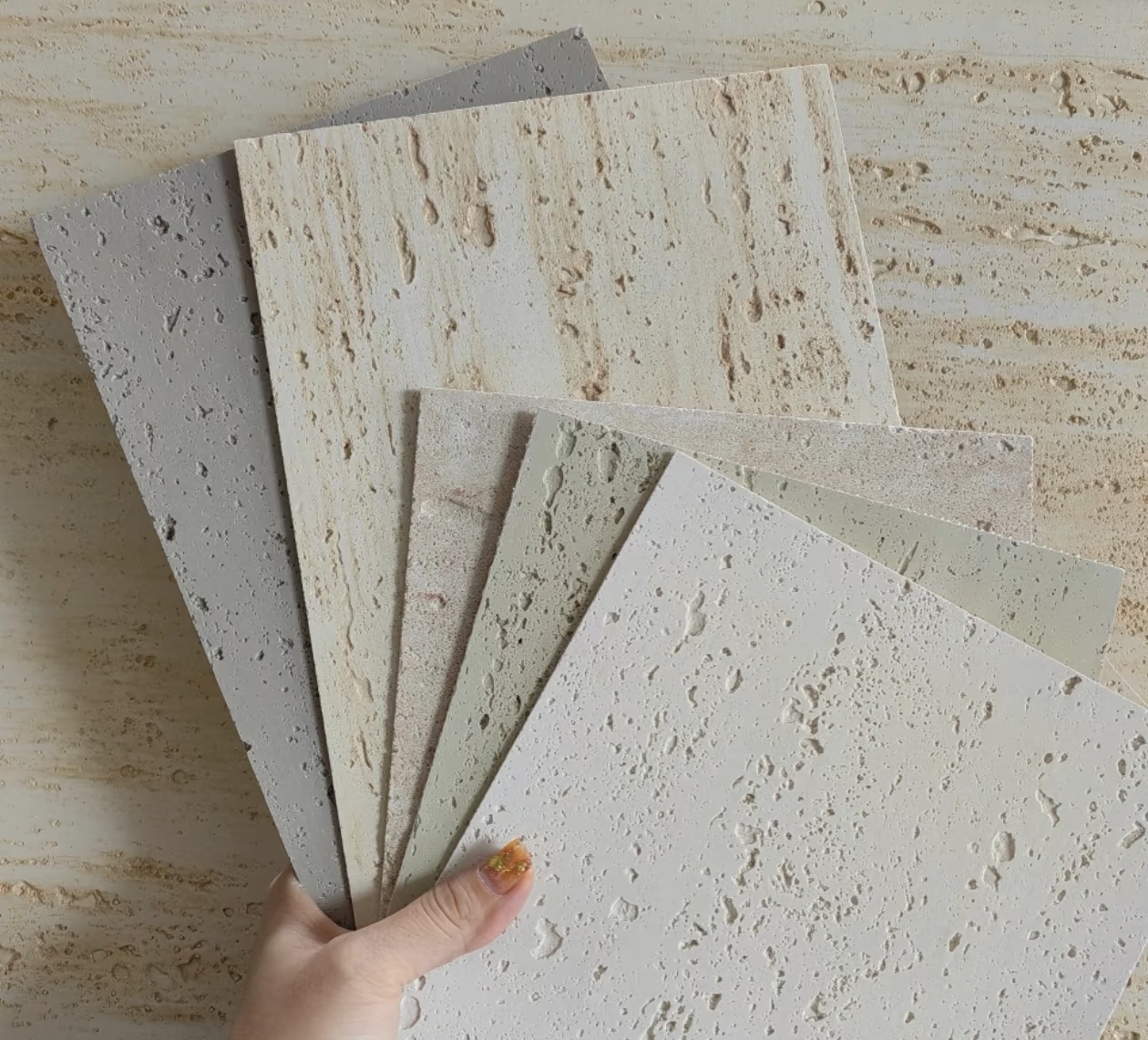
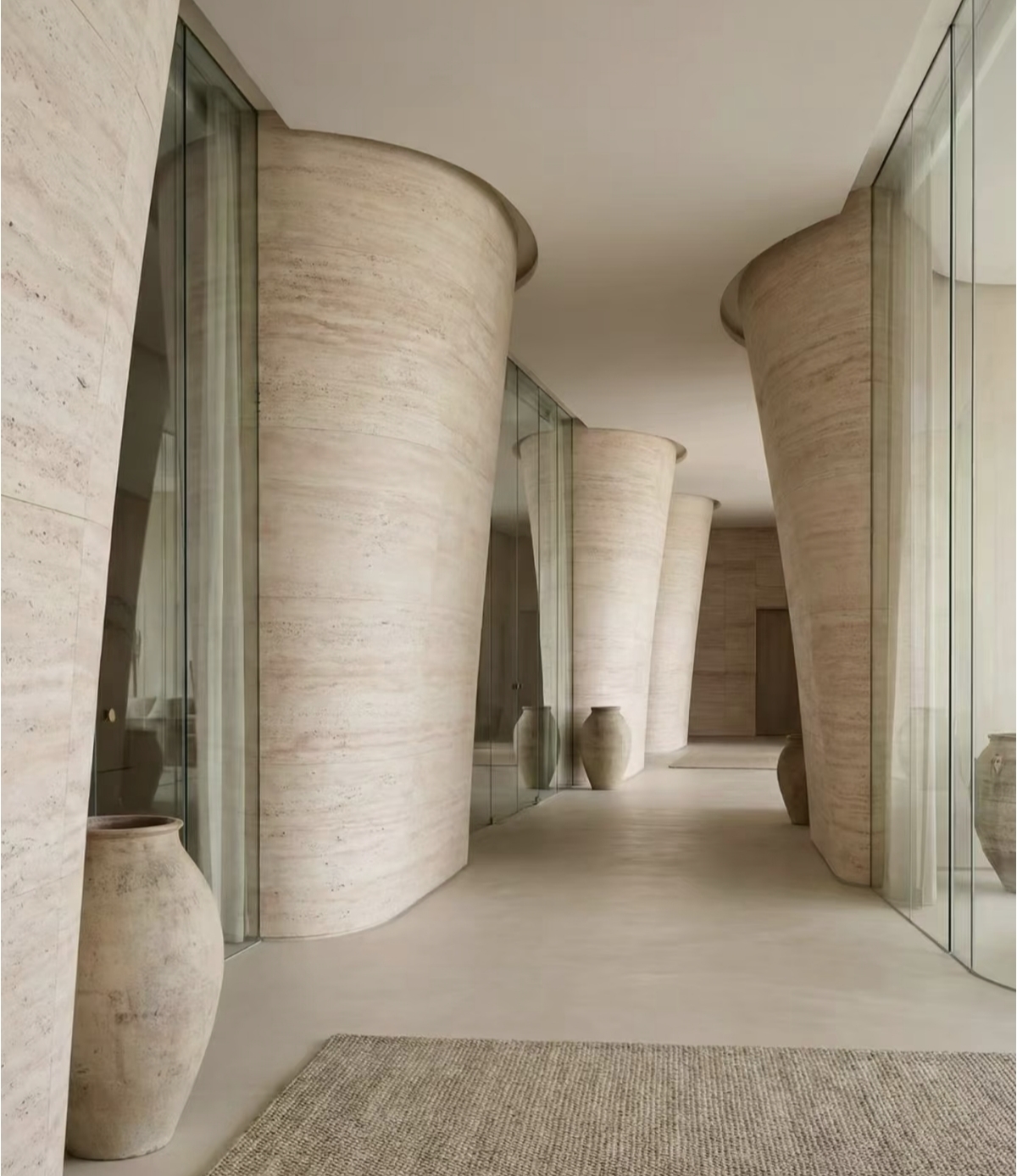
Flexibility: Bendable and cuttable, suitable for curved walls, cylindrical columns, and other irregular structures
Seismic and crack resistance: Outstanding seismic performance, crack resistance, and freeze-thaw durability, suitable for high-rise building facades and urban renovation
Insulation demand: The Middle East's high-temperature environment has led to a surge in demand for heat-insulating products
Additionally, procurement of antibacterial Flexible Stone products for public buildings such as medical and educational institutions in the Middle East has grown by 23% year-on-year, reflecting the expanding demand for functional Flexible Stone products.
IV. Flexible Stone Market: Global Growth and the Rise of the Middle East
Global Market Overview
The global Flexible Stone (MCM) industry demonstrated steady growth in 2025, with the market exceeding USD 4.87 billion , up 11.3% year-on-year. The Asia-Pacific region contributed over 42% of global demand, with China continuing to play the role of the core engine – total industry output rose to RMB 12.68 billion in 2025, with exports reaching USD 920 million , up 14.7% year-on-year. The global Flexible Stone market is projected to reach USD 8.23 billion by 2030 , with a CAGR of 11.0%.
Middle East and Africa: The Fastest-Growing Emerging Market
Driven by green building regulations, Flexible Stone penetration rates in Europe and North America reached 17.5% and 13.2% respectively in 2025. The Middle East and Africa region, driven by accelerating infrastructure development, saw demand growth of 18.1% , becoming an emerging growth pole for the global Flexible Stone market.
From the application perspective, the building decoration sector still dominates, accounting for 71.4% of global demand in 2025. Among these, commercial spaces (hotels, shopping malls, office buildings) account for 38.6%, while residential renovation accounts for 32.8%. The public facilities sector (hospitals, schools, transportation hubs) showed the most prominent demand growth, with the market size rising 22.3% year-on-year in 2025 to USD 930 million.
V. Chinese Flexible Stone Exports to the Middle East: Current Status and Trends
Strong Export Performance
In 2025, China's Flexible Stone exports reached USD 920 million , up 14.7% year-on-year. Countries along the "Belt and Road" have shown strong demand for lightweight building materials.
Specific company cases are even more compelling. Jiangsu New Stone Age New Building Materials Technology Co., Ltd.'s 1.5 million m² annual Flexible Stone production project, which broke ground in March 2025, has now installed 5 production lines and entered trial production, with a daily capacity of approximately 3,000 m². Approximately 60% of the company's orders come from international markets, primarily sold to Southeast Asia, the Middle East, and Central Asia.
Yibin Bonawell New Materials Co., Ltd., which has been deeply involved in Flexible Stone R&D and production for years, had zero overseas business in 2024; by 2025, export revenue exceeded RMB 3 million; in the first half of 2026, overseas sales of Flexible Stone materials reached 200,000 m² with sales of RMB 10 million, and the company expects 3 to 5 times year-on-year growth for the full year. Its products now cover 36 countries across Southeast Asia, the Middle East, Europe, Africa, and the Americas.
Active Market Expansion
In 2025, multiple Chinese Flexible Stone companies made a strong collective appearance at the BIG 5 GLOBAL construction exhibition in Dubai, showcasing their latest Flexible Stone product lines. Some companies stated they would "deeply cultivate the Middle Eastern market and build a global marketing network". That same year, Chinese Flexible Stone companies also received enthusiastic market responses at construction material exhibitions in Riyadh, Saudi Arabia.
Rise of Cross-Border E-Commerce Channels
Cross-border e-commerce channels now account for over 20% of Flexible Stone exports, and tariff reductions among RCEP member countries have further stimulated export growth. Online customization models are rapidly emerging in the Chinese market, with online transaction volume reaching RMB 2.83 billion in 2025, up 52.6% year-on-year.
VI. The Egyptian Market: Policy Dividends Unleash Strategic Opportunities
Egypt, as the third-largest construction market in the Middle East and North Africa, is releasing significant policy dividends for Chinese Flexible Stone exports.
Tariff Adjustments: Green Building Materials Tariff Reduction Channel Opens
On December 21, 2025, Egypt's Ministry of Investment and Foreign Trade, together with the Ministry of Finance, officially released the 2026 building materials industry tariff adjustment plan. Import tariffs on LEED-certified green building materials have been reduced from 20%-30% to 10%. Flexible Stone, as a low-carbon, eco-friendly material, fits squarely into this tariff reduction category. All measures took effect from January 1, 2026 and remain valid until 2030.
Sustained Construction Demand
Egypt is in a massive construction cycle, with the New Administrative Capital project totalling USD 58 billion in investment and plans to build over 2 million new affordable housing units in 2026. However, the local self-sufficiency rate for green building materials is only 40%, creating clear growth space for Chinese building material exporters.
Deepening Sino-Egyptian Economic Relations
Against the backdrop of the 70th anniversary of Sino-Egyptian diplomatic relations in 2026, Egypt has been included in a two-year zero-tariff arrangement under preferential tariff rates. China's building material exports to Egypt are expected to grow by over 15% in 2026. Chinese companies are increasing their footprint in the Egyptian market, with some planning to leverage foreign-invested equipment duty-free policies to establish local production facilities.
VII. Strategic Opportunities for Chinese Factories
Based on the above analysis, Chinese Flexible Stone factories face the following strategic opportunities in the Middle Eastern market:
1. Demand Side: Vast Incremental Market Space
The Middle East and Africa region's Flexible Stone demand growth rate of 18.1% is the fastest in the world. The GCC building products market's expansion from USD 34.4 billion to USD 53.9 billion creates stable incremental demand for new materials like Flexible Stone.
2. Policy Side: Green Certification Becomes a Market Access Ticket
Green building regulations in Middle Eastern countries are becoming increasingly stringent. Certification systems such as SASO, LEED, and Estidama have made low-carbon materials a priority in large-scale tenders. Flexible Stone's low-carbon attributes (carbon emissions at one-sixth that of traditional ceramics) give it a natural certification advantage.
3. Competition Side: First-Mover Advantage for Chinese Companies
China accounts for 48% of the global Flexible Stone market share, and Chinese domestic manufacturers achieved key material breakthroughs in 2025, with unit production costs falling 15.7% compared to 2023. Chinese companies have global competitive advantages in production scale, cost control, and industrial chain completeness.
4. Channel Side: Diversified Export Paths Are Forming
From B2B direct sales (accounting for 63.4% of total sales) to cross-border e-commerce (over 20% share), from participating in international exhibitions like Dubai BIG 5 to establishing overseas distributor networks, the export paths for Chinese Flexible Stone companies are becoming increasingly diversified.
5. Product Side: Functional and Customization Upgrades
The Middle Eastern market has seen a surge in demand for functional Flexible Stone products such as heat-insulating and antibacterial types. Chinese companies are using advanced equipment like fourth-generation 3D online printers to improve product weather resistance and expressiveness by over 80% compared to traditional processes.
VIII. OlinMat Flexible Stone: Deeply Cultivating the Middle East Market
As a professional supplier deeply rooted in Egypt's building materials market for years, OlinMat has a profound understanding of the Middle Eastern market's specific requirements for building materials – lightweight and safe, weather-resistant and durable, green-certified and cost-competitive.
OlinMat Flexible Stone / MCM Materials Highlights:
✅ LEED-compliant green building materials – eligible for Egypt's import tariff reductions
✅ Lightweight and flexible – only 3-8 kg/m², meeting high-rise building load requirements
✅ Strong weather resistance – adapted to the Middle East's high-temperature, high-sunlight climate
✅ Class A fire rating – meeting safety standards for public buildings and high-rise residential
✅ Rich colour and texture options – customisable to simulate stone, wood, brick, and more
✅ Backed by China's mature supply chain – stable quality and high cost-performance
We have a large showroom and in-stock warehouse in Egypt. Customers can visit our showroom to view samples and experience product texture and flexibility firsthand. Our in-stock warehouse ensures immediate availability – no need for long sea freight waiting periods. Whether for large-scale projects, commercial space renovations, or urban renewal and refurbishment, OlinMat delivers professional product solutions and technical support.
📩 Interested in project collaboration or procurement? Let's talk!