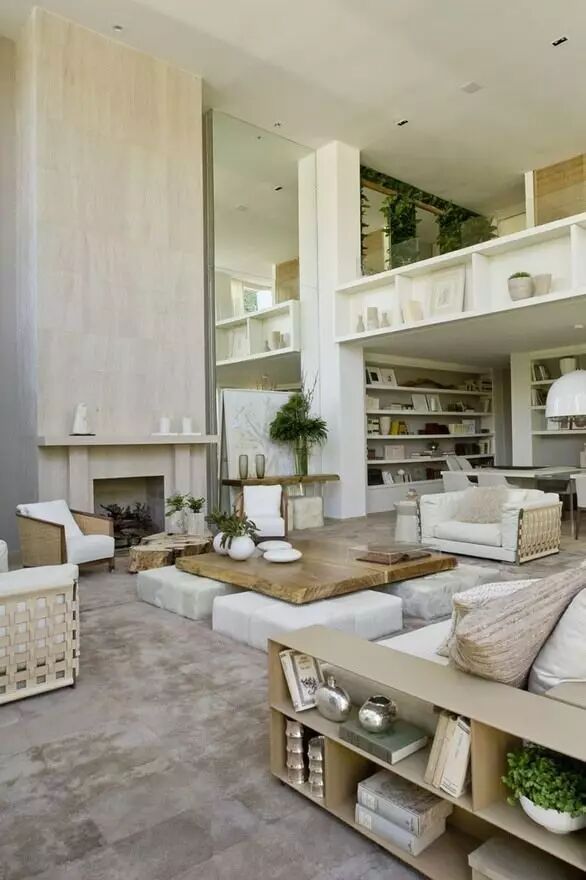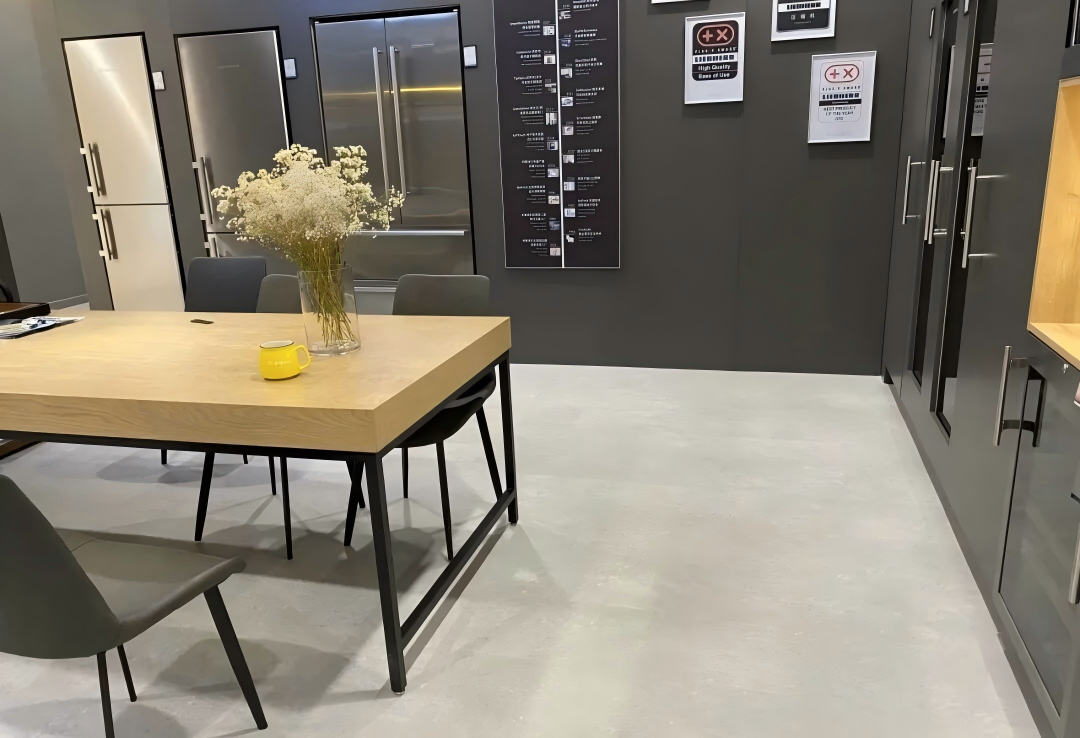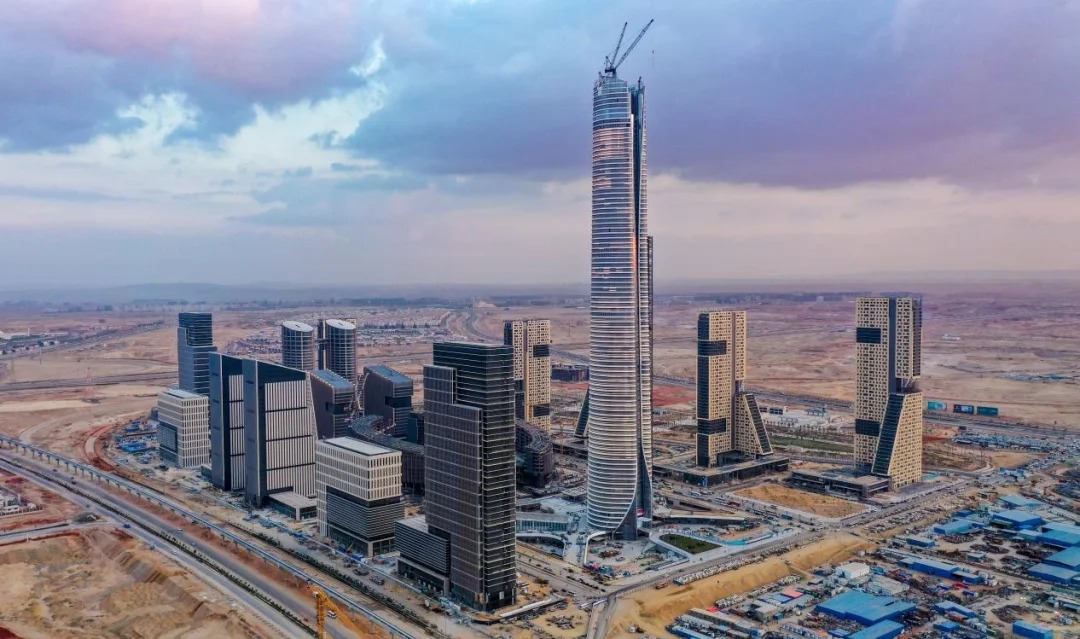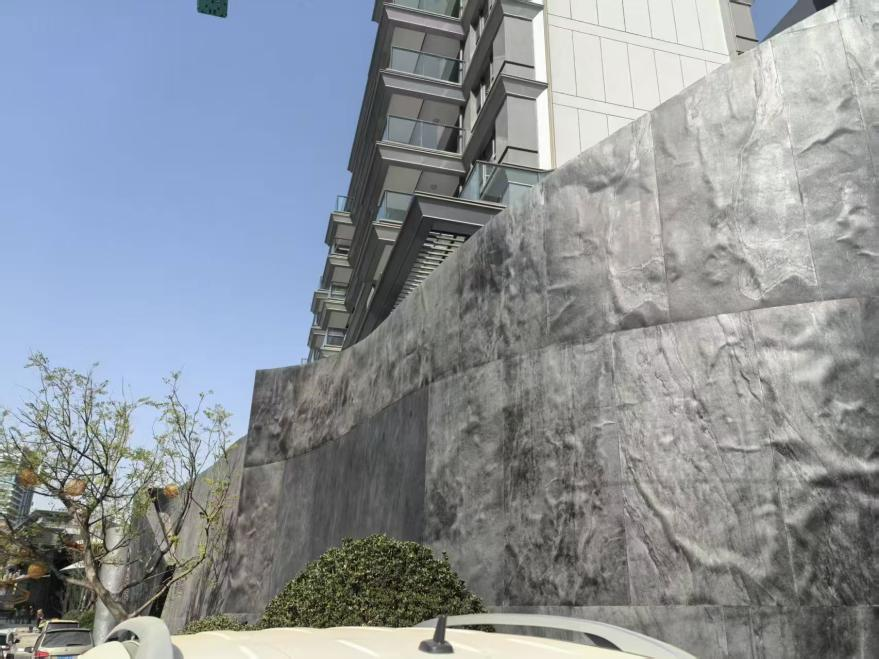


In the Middle East and Africa (MEA) region, rapid urbanization intersects with unique climatic conditions—ranging from scorching sun and sandstorms to extreme day-night temperature fluctuations—continuously testing the performance limits of building materials. In response to growing demands for construction safety, durability, and aesthetics, the market requires facade solutions that are lightweight, robust, and highly adaptable.
Meeting these market needs, Flexible Tiles stand out with their innovative material properties. They not only meet stringent physical performance requirements in extreme environments but also offer rapid installation and rich design expression. This provides architects and developers with an option that balances efficiency and creativity, making it particularly suitable for schools, high-rises, urban renewal projects, and healthcare facilities.
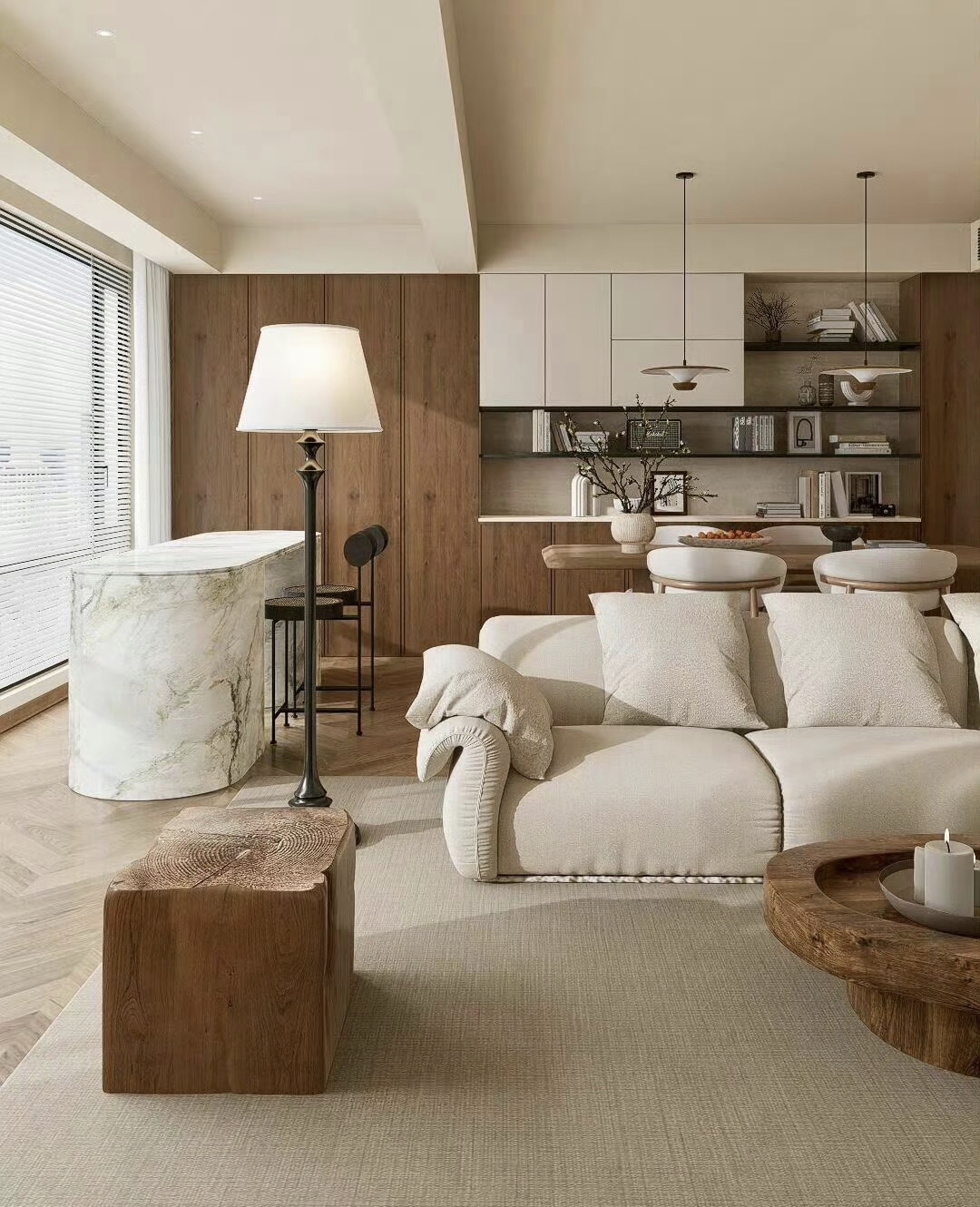
1. Schools & Educational Institutions
Needs Analysis: The MEA region has a young demographic, driving strong demand for the construction and renovation of educational facilities. These projects must prioritize safety, hygiene, and the creation of a stimulating learning atmosphere.

·Safety & Protection:Extremely thin (2-5mm) and lightweight, Flexible Tiles completely eliminate the risk of tile detachment. They are ideal for multi-story school buildings and high-traffic activity areas, providing long-term safety for students and staff.
·Health & Hygiene in Harsh Conditions:Meeting food-grade safety standards with zero formaldehyde, the surface of Flexible Tiles is antibacterial and stain-resistant. It effectively resists moisture and dust, and is easy to clean and disinfect—critical for maintaining a healthy indoor environment in dry, dusty climates.
·Color Empowers Creativity:A wide range of colors and textures allows for the flexible creation of campus spaces that reflect local cultural elements or modern styles. This enhances the learning atmosphere and aligns with the region's pursuit of aesthetic excellence in education.
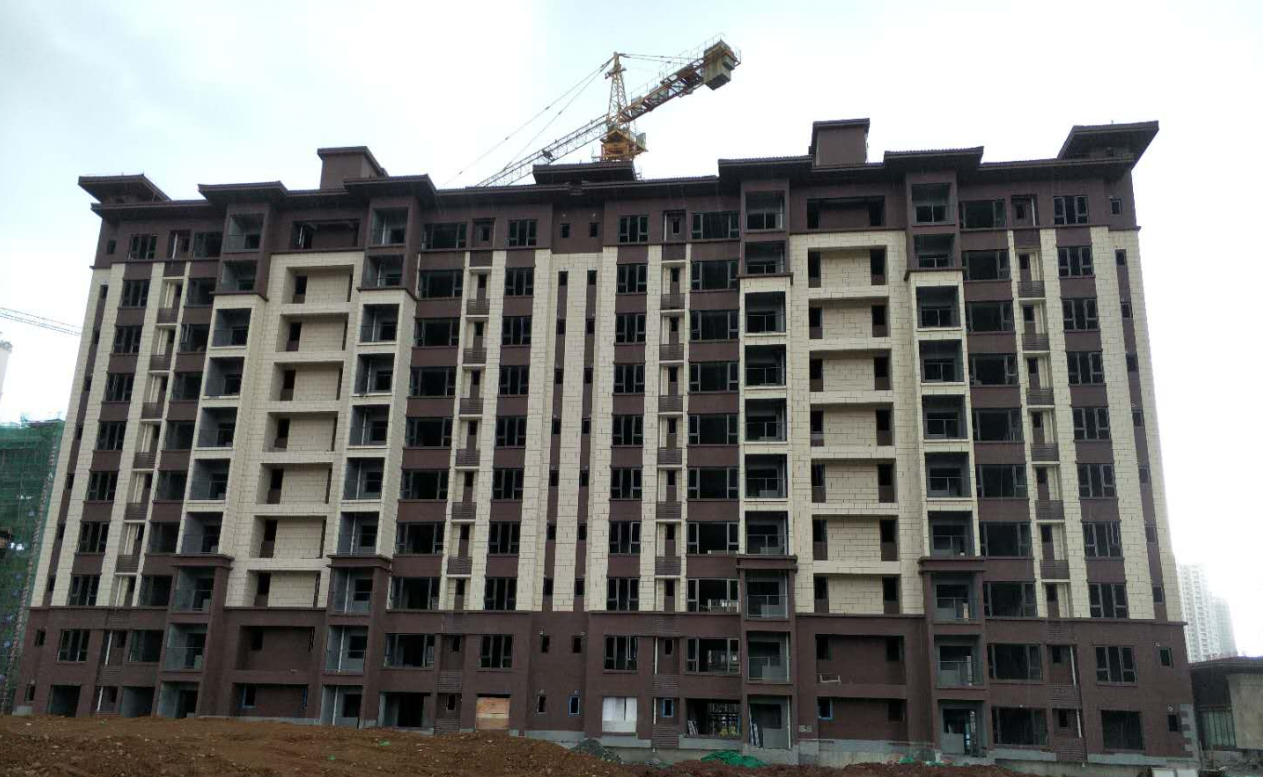
2. High-Rise Buildings & Modern Curtain Walls
Needs Analysis: Middle Eastern cities are defined by skyscrapers, while African metropolises are also reaching new heights. These structures must withstand intense UV radiation, high thermal differentials, and sand erosion.
·Significant Load Reduction & Structural Optimization:The ultra-lightweight nature of Flexible Tiles drastically reduces building loads, enabling more flexible and economical high-rise designs and structural optimizations—especially beneficial in areas with complex foundation conditions.
·Rapid Installation for Efficient Construction:The direct bonding process simplifies construction by eliminating the need for heavy dry-hanging systems. This significantly shortens construction periods, catering to the region's fast-paced development and renovation needs.
·Durability in Extreme Climates:Boasting superior UV resistance, thermal cycle endurance, and sand erosion resistance, Flexible Tiles can withstand the intense heat of the Middle East and the strong sunlight of Africa over the long term, keeping building facades looking new.
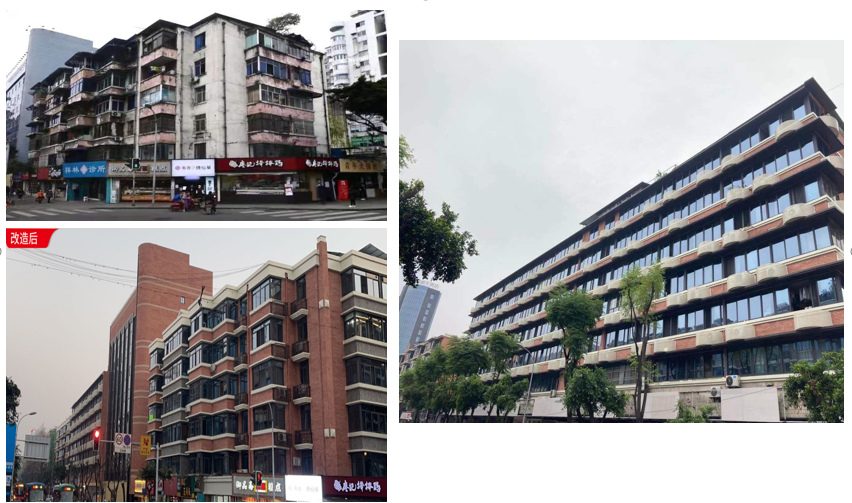
3. Urban Renewal & Historical Restoration
Needs Analysis: Many cities in the MEA region possess rich historical architecture and cultural districts. Renovation projects must improve performance while preserving traditional styles.
·"Lightweight" Renewal Protects Old Structures:Flexible Tiles can be installed directly over existing finishes without the need for demolition. This avoids damaging fragile original structures, thereby reducing renovation risks and costs.
·Precise Replication of Traditional Textures:Flexible Tiles can highly replicate the textures and colors of local traditional materials such as stone, sandstone, and clay bricks. This allows historical buildings to undergo energy-saving and safety upgrades while preserving their cultural heritage characteristics.
·Minimal Disturbance During Construction:The dry construction method generates low noise and minimal dust. It is perfectly suited for renovations in densely populated old towns, tourist areas, or operational venues, minimizing impact on residents and visitors.
4. Hospitals & Healthcare Facilities
Needs Analysis: Healthcare construction standards in the MEA region are constantly rising, with extremely high requirements for hygiene, durability, and fire safety.
·Seamless Cleanliness Against Harsh Environments:The dense, non-absorbent surface of Flexible Tiles effectively resists mold and pollution. It can tolerate high-intensity chemical disinfectants, making it suitable for maintaining sterile environments in both high-temperature/dry and humid regions.
·Highest Level of Fire Safety:Achieving Grade A fire resistance, Flexible Tiles provide critical fire protection for high-density occupancy areas like hospitals and clinics, complying with strict regional fire codes.
·Low Maintenance & Longevity:Corrosion-resistant and impact-resistant, Flexible Tiles remain durable despite frequent cleaning and usage. This significantly reduces lifecycle maintenance costs, making them ideal for projects where resources and budgets are carefully managed.

Olinmat Flexible Tiles, with their core advantages of safety, lightness, weather durability, quick installation, and design versatility, precisely address the key demands of the MEA building materials market: maintaining stable performance in harsh natural environments, balancing tradition and modernity in urban renewal, and enhancing safety, health, and aesthetic standards across building types. They represent not just an upgrade to a building's exterior but a significant driver for architecture in the region to move towards a safer, more sustainable, and more expressive future.