

In the Middle East, e-commerce is garnering increasing attention as a new consumption trend and development model. The e-commerce market size in countries like the UAE and Saudi Arabia is expanding year by year, gradually securing a pivotal position in the region. Saudi Arabia, in particular, ranks as the 27th largest e-commerce market globally and the largest in the Middle East. As a critical accessory within the global consumer electronics ecosystem, the market demand for power banks is highly correlated with the penetration rate of mobile devices such as smartphones.
Targeting the Middle East and Africa (MEA) region offers significant appeal in terms of market potential and growth trends. However, the market's unique characteristics also dictate high barriers to entry. The "rationality and scientific validity" of this market positioning hinges on an enterprise's ability to systematically navigate its unique regulatory environment, capture genuine market demand, and effectively manage operational risks. We will conduct an in-depth analysis across four dimensions: market prospects, access regulations, practical challenges, and strategic recommendations.
I. Market Potential and Prospects: Clear Demand, Promising Growth
The demand for power banks in the MEA region is rooted in its specific socioeconomic environment, driven by clear growth engines:
·Market Size and Growth Rate: According to market research reports, the portable high-capacity power supply market in the MEA region was valued at approximately $700 million in 2024 and is projected to grow to between $1.5 billion by 2035. This reflects a steady demand for portable power solutions in the region.
·Core Demand Drivers:
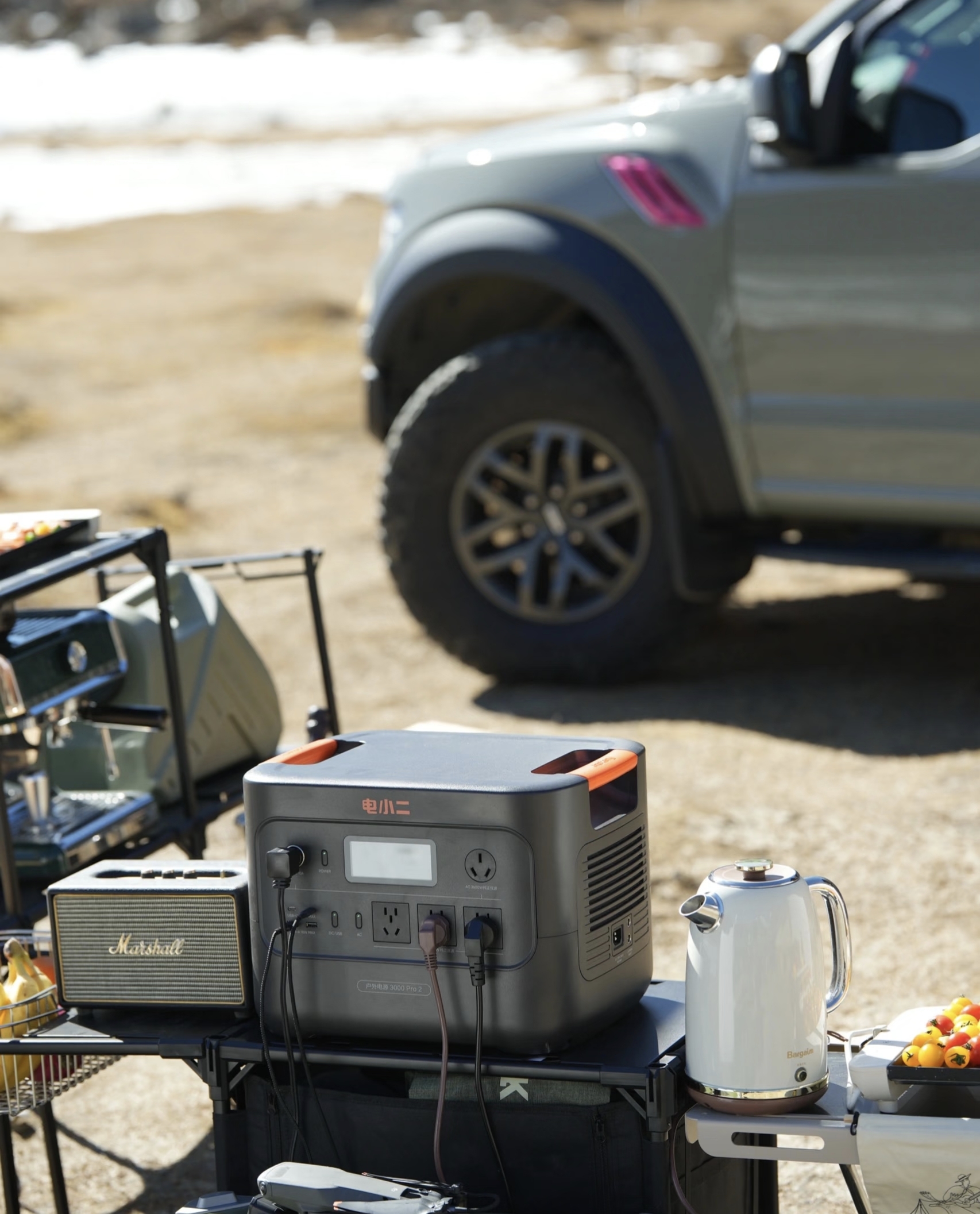
oHigh Device Penetration vs. Power Supply Challenges: While the region boasts high penetration rates for smartphones and other electronics, insufficient grid stability in some areas or inconvenient power access in outdoor scenarios (e.g., desert camping, long-distance travel) has spawned massive demand for emergency and off-grid power supplies.
oOutdoor Culture and Tourism: Residents of the Middle East (especially Gulf Cooperation Council countries) have a penchant for outdoor leisure activities such as desert camping and marine sports, directly driving the consumption of high-capacity, durable power banks.
oEmerging E-commerce Channels: The rise of cross-border e-commerce platforms, as indicated by data from Alibaba.com, shows that Middle Eastern countries like Saudi Arabia are among the regions with rapidly growing orders for power banks, providing efficient channels for both B2B and B2C exports.
II. Market Access Barriers: Complex and Mandatory Regulations
Entering the Middle Eastern market, particularly the major economies of the UAE and Saudi Arabia, requires compliance not as an option, but as a prerequisite. Their regulatory frameworks center on protecting consumer safety, ensuring energy efficiency, and upholding religious and cultural compliance.
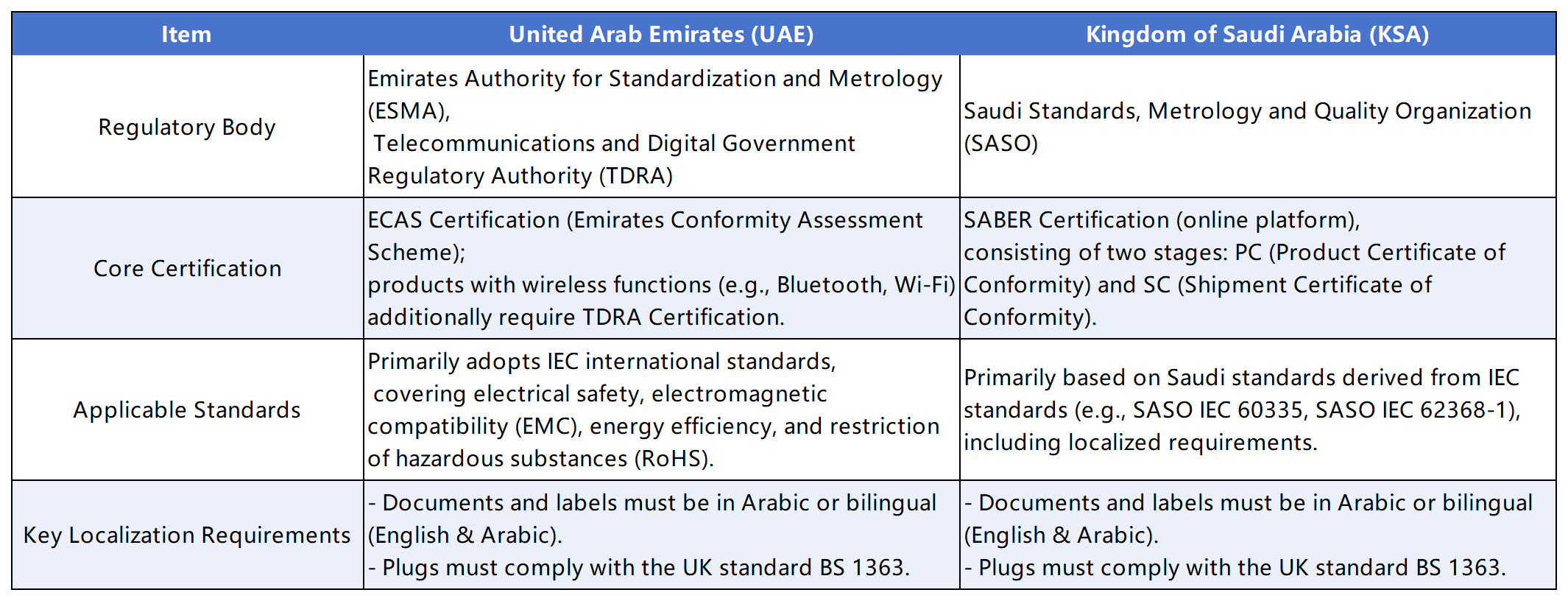
1. Comparison of Core Certification Systems (UAE vs. Saudi Arabia)Both countries enforce strict mandatory product conformity assessment programs. A detailed comparison of specific requirements is as follows:
2. Special Regulations for Power Banks (Including Lithium Batteries)The core component of power banks is the lithium battery, which is a hazardous material subject to key global regulations.
·Transport Restrictions: According to international and regional transport regulations, standalone (uninstalled) lithium batteries (typically HS Code 8507.60) are prohibited for air transport or face extremely strict restrictions in most MEA countries. This means power banks must be declared and shipped as "equipment with built-in batteries," accompanied by complete shipping documents such as a UN38.3 test report, MSDS (Material Safety Data Sheet), and a dangerous goods packaging certificate complying with the IMDG Code.
·HS Code Updates: Effective January 1, 2025, Gulf Cooperation Council (GCC) countries, including the UAE and Saudi Arabia, have mandated the use of 12-digit HS codes. This introduces finer classification for electronic products (Chapter 85), making accurate declaration fundamental for rapid customs clearance.
III. Challenges and Risks of Scientific Positioning
Faced with a market of both potential and barriers, enterprises must soberly assess the following challenges:
1.Certification Costs and Timelines: Obtaining ECAS or SABER certifications involves product testing (in accredited laboratories), document preparation, and agency fees, requiring significant initial investment and time. For instance, the PC (Product Certificate) phase of Saudi Arabia's SABER certification typically takes 5-10 working days plus associated costs.
2.Supply Chain and Logistics Complexity: Lithium battery transport regulations are stringent, limiting logistics provider options and driving up costs. Unprofessional packaging or documentation flaws can result in cargo detention, fines, or even destruction at the port of loading or destination.
3.Localization and Channel Dependence: Certification applications usually require a local importer or authorized representative in the UAE or Saudi Arabia as the legal entity. This means exporters rely heavily on reliable local partners for market development, customs clearance, and after-sales service, increasing the difficulty and risk of channel management.
4.Market Competition and Price Pressure: Despite being an emerging market, Middle Eastern consumers possess a degree of brand and quality awareness. Concurrently, the market hosts numerous competitors, leading to intense price competition. A strategy based solely on low prices struggles to build a sustainable advantage.
IV. Strategic Recommendations and Scientific Positioning
Positioning power bank exports in the MEA region possesses a sound market foundation, but a "scientific" positioning must be built upon rigorous strategic planning. The following steps are recommended:
·"Compliance First" Strategy: Before investing in any marketing, the top priority is to collaborate with professional testing and certification bodies to fully clarify all regulatory requirements (safety, energy efficiency, wireless, battery, and labeling) for specific products in the target country and obtain the corresponding certifications. This is the entry ticket.
·Targeted Product Adaptation:
oElectrical Specifications: Ensure product designs are compatible with Saudi Arabia's 220V/60Hz power grid standard.
oPhysical Interfaces: Must be equipped with plugs conforming to the British Standard BS 1363, a mandatory requirement in Saudi Arabia and the UAE.
oPackaging and Documentation: Prepare complete Arabic instruction manuals and labels, and strictly review all graphics and text to avoid cultural or religious taboos.
·Deep Binding with Partners: Invest resources in selecting and cultivating reliable importers or agents in the destination country who possess customs clearance capabilities, warehousing and logistics networks, and sales channels. Stable partnerships are key to reducing operational risks.