

Latest test results from Beijing-Tianjin-Hebei Consumer Council warn: Some smart locks have ineffective facial recognition and easily copiable IC cards.
A recent safety test on smart locks has sparked heated discussions across social media. The consumer protection authorities of Beijing, Tianjin, and Hebei jointly conducted a comparative test on 30 smart lock products from 20 brands available on the market. The results showed that 13 samples had security flaws, including easily copiable IC cards, unencrypted data transmission, and insufficient anti‑spoofing capabilities for facial recognition.
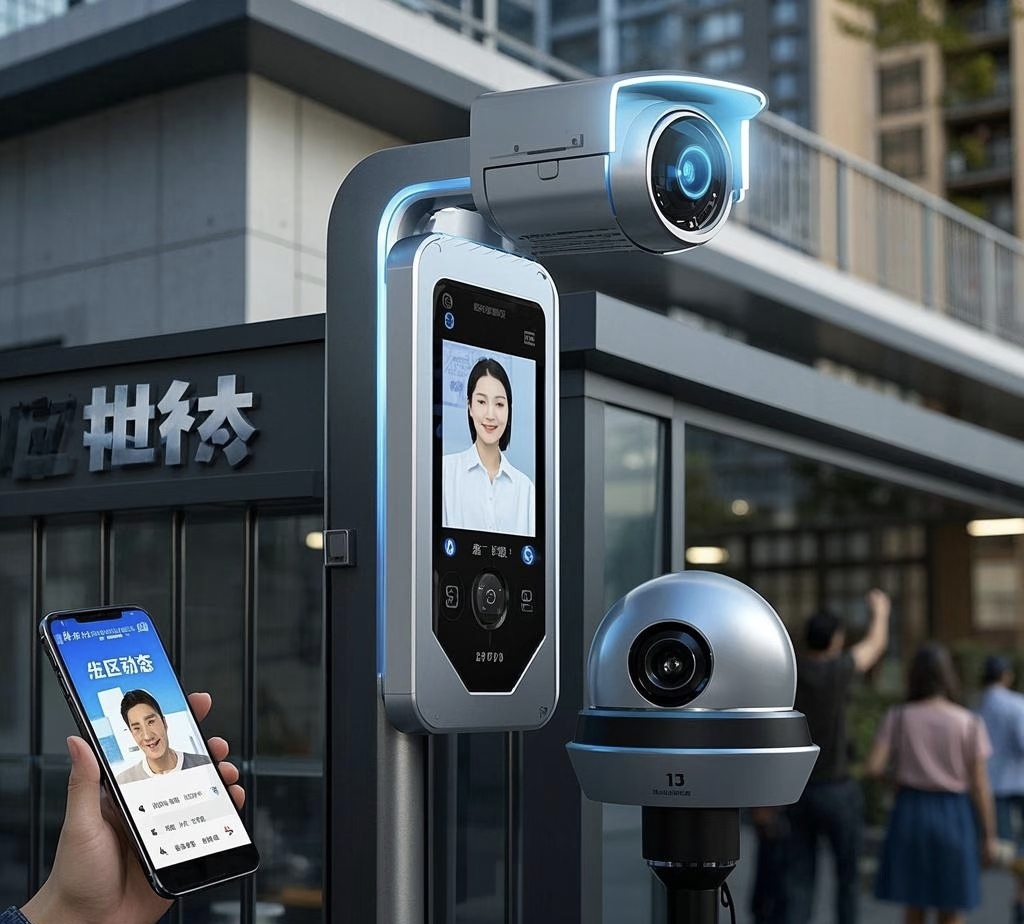
Even more alarming: among the samples equipped with face unlock, three products could be unlocked using nothing more than a flat photo taken with an infrared camera. The affected brands were Qingke, Boke, and Huanlv.
What does this mean? You stand at your front door, the lock “recognises” you and opens effortlessly. But if someone gets hold of your photo, a criminal could use that same photo to “copy” your face on the spot and walk right into your home. Just thinking about it sends chills down your spine.
As the first line of defence for home security, the safety of a smart lock directly affects your property, privacy, and personal safety. The latest test results are a wake‑up call for every consumer: Is your smart lock really safe?
1. Three Major Security Risks – Does Your Lock Have Any of Them?
Risk 1: Facial recognition fooled by a photo
In the test, three face‑recognition products could be unlocked using a flat photo taken with an infrared camera – clear proof of insufficient anti‑spoofing. The root cause is a technical limitation: some products still rely on 2D facial recognition technology. Traditional 2D systems analyse only RGB images and cannot tell the difference between real skin texture and a printed photo, making them easy to defeat with simple forgeries.
A truly secure facial recognition system must use 3D structured light or binocular infrared technology with active liveness detection to effectively protect against attacks using photos, videos, or even 3D masks.
Risk 2: IC cards easily copied
Among the 30 samples, 19 came with IC cards, and 12 of those could be unlocked using a duplicated IC card – affecting brands such as Lechange, Delixi, VOC, Boke, and Yantai Taineng. This means that if an original card is lost or even briefly taken, a criminal could easily copy the “physical key” to your home. The underlying issue is that some products still use so‑called “M1 cards” whose encryption algorithms have long been cracked, instead of CPU cards that meet financial‑grade security standards.
Risk 3: Unencrypted data transmission
Among the 27 samples that could connect to a network, three transmitted sensitive data – such as user account, password, and remote unlocking commands – in plain text, without effective encryption. This vulnerability makes login credentials and remote commands easy to intercept, potentially leading to unauthorised unlocking or privacy leaks.
These three security risks are not exaggerated fears – they are real dangers that every consumer should take seriously.
2. National Standards Are Here – “Feeling Safe” Is No Longer Enough
To address such vulnerabilities, China has already introduced binding regulations.
April 2025: National standard GB/T 44602-2024 “Cybersecurity technology – Technical specification for cybersecurity of smart locks” came into effect. It clearly states that:
IC cards for smart locks shall have the ability to prevent illegal copying; facial recognition shall have the ability to prevent spoofing using photos or videos; smart locks shall have mechanisms to ensure transmission confidentiality.1 March 2026: Mandatory national standard GB 21556.2-2025 “Safety requirements for locks – Part 2: Burglar resistant locks” officially took effect. This is the first compulsory national standard for the smart lock industry. It adds a new highest‑level Grade C based on the existing A and B grades. Grade C requires a state‑secret‑certified Grade‑2 security chip, as well as encrypted data transmission and storage, plus high‑level anti‑attack measures for firmware and apps.
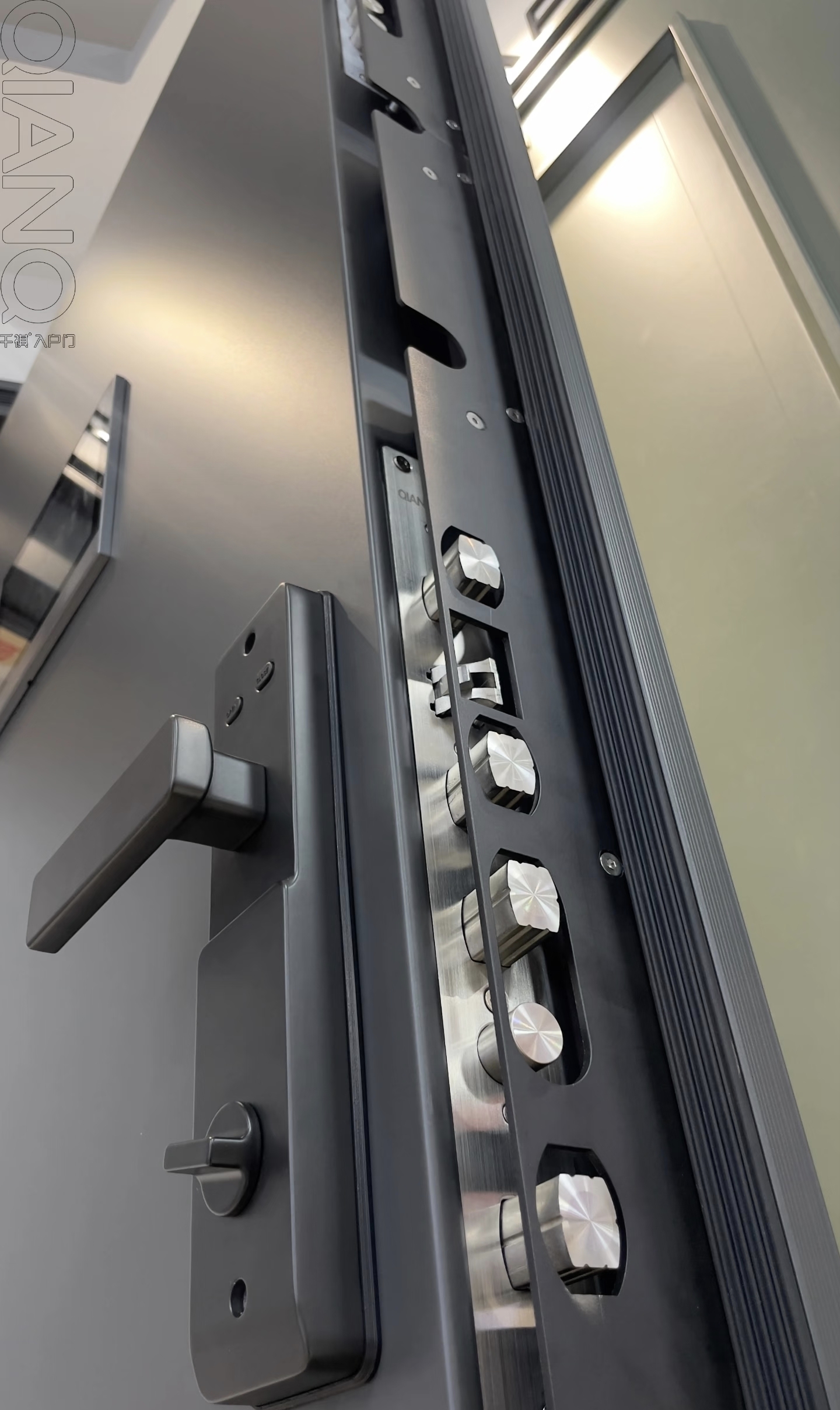
Nevertheless, the Beijing‑Tianjin‑Hebei test results show that some products on the market still fall short of the national standards. Compliance is only the baseline, not the ceiling. Consumers should not simply settle for “meeting standards” – they should actively choose products with more comprehensive security technologies and stronger protection.
3. Smart Lock Buying Guide – Four Steps to a Truly Secure Lock
Step 1 – Face unlock: insist on 3D active liveness detection.
Choose products that support 3D structured light or binocular infrared technology – these can quickly defeat attacks using photos, fake heads, or masks. Stay away from products that use plain 2D recognition. A 3D depth camera offers much better anti‑spoofing than RGB monocular or even ordinary infrared binocular systems, and can achieve payment‑grade security.
Step 2 – Network encryption: ask before you buy.
Check the product specifications or contact the seller to confirm whether network communication uses encrypted protocols such as TLS/SSL. Give preference to brands that make clear commitments to information security and provide technical documentation.
Step 3 – IC card management: be cautious.
If your lock comes with IC cards, store them safely. If you rarely use card unlocking, consider turning off the IC card unlock feature in the mobile app or on the lock itself – this cuts off the risk of a duplicated card opening your door.
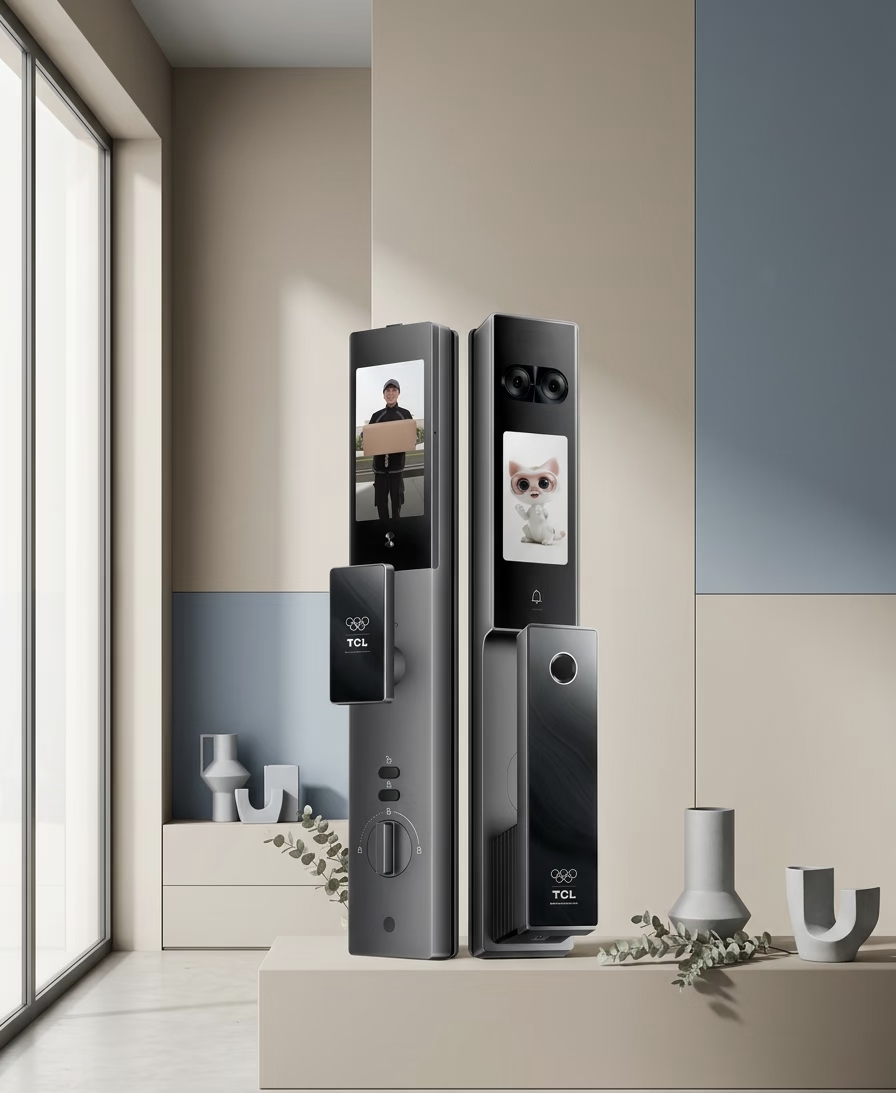
Step 4 – Look for certifications and national standard compliance.
Choose products that actively state compliance with the new mandatory standard GB 21556.2-2025. Give priority to brands that have passed authoritative security tests and have a good market reputation.
4. Olinmat: Protecting Your Door with Real Security
In the face of frequent industry security incidents and increasingly stringent national standards, Olinmat smart locks have always embedded “safety” deep into our DNA.
Facial recognition technology – Olinmat rejects the common 2D approach and uses 3D active liveness detection across our entire product line. We fundamentally eliminate the risk of photo or video spoofing. Every face unlock requires detection of real‑world depth information – temperature, contours, expression – not a flat picture.
Network and data encryption – Olinmat strictly uses encrypted protocols such as TLS for data transmission. User accounts, passwords, and remote unlock commands are always transmitted with strong encryption – no “plain text” vulnerabilities. Your access logs and biometric privacy are never exposed.
Physical security – Olinmat locks are built with Grade C high‑security cylinder materials and an anti‑tamper alarm system, plus a lockout function after multiple incorrect attempts. These features create a solid physical barrier for your front door.
Importantly, Olinmat smart locks have recently passed the mandatory GB 21556.2-2025 national standard tests, putting us ahead of the curve in compliance.
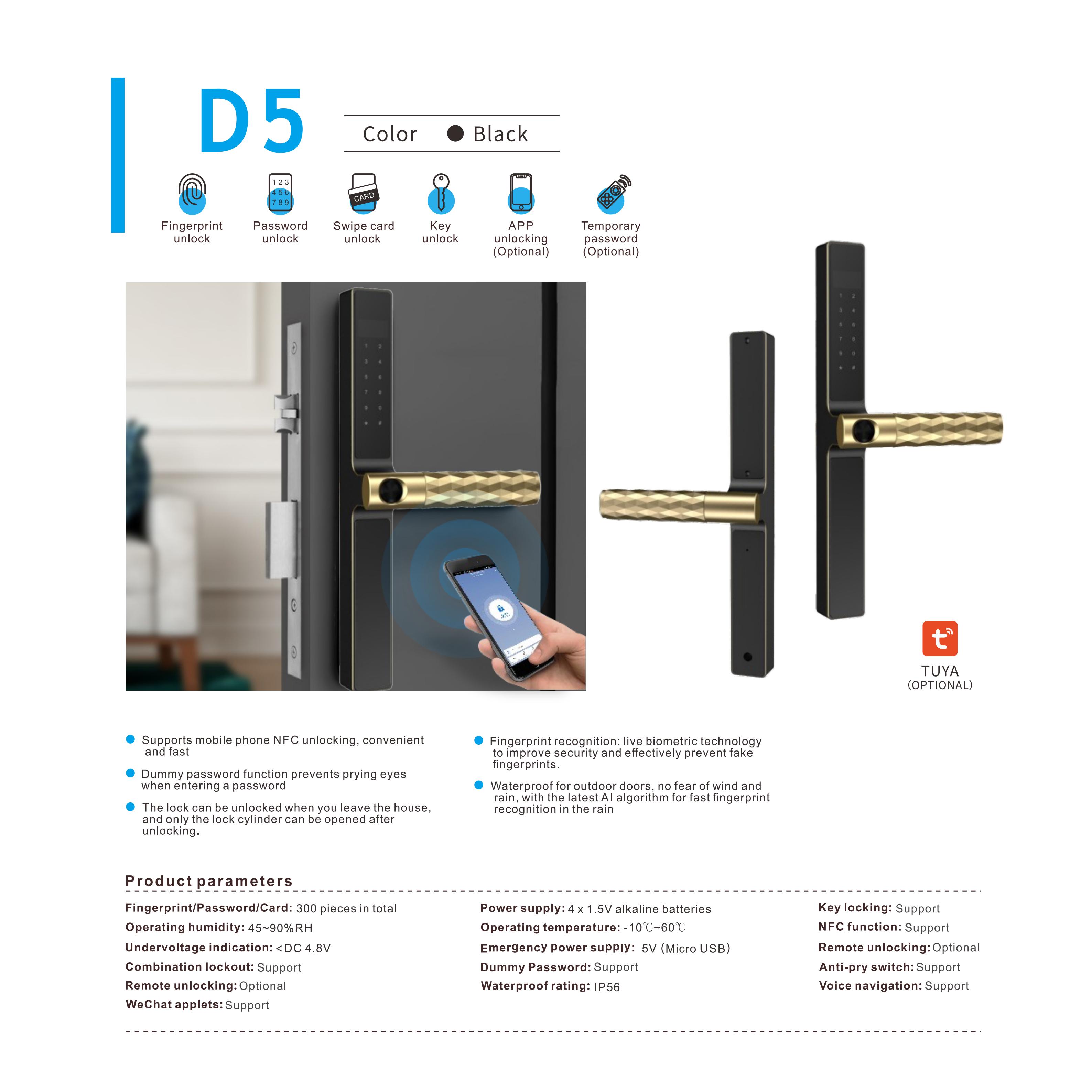

Olinmat’s strengths directly address the three core security requirements of the new standard:
Facial recognition – 3D active liveness detection eliminates photo‑spoofing risks.
Data encryption – Strong encryption protocols eliminate plain‑text vulnerabilities.
User experience – Fast and accurate fingerprint, face, and other unlocking methods, balancing convenience with security.
A smart lock is meant to make life more secure and convenient. But choosing the wrong one can actually invite more risk. The cases of face unlock being fooled by a photo tell us one thing clearly: when it comes to security, there is no room for compromise.
At Olinmat, we believe a truly trustworthy smart lock must be technically robust, fully compliant with standards, and reassuring to use every single day. Every family deserves a real “security guard” at the front door – not a good‑looking but fragile decoration.
When you shop on our official website, we have your back. Choosing a truly reliable smart lock is the best investment you can make for your own safety and that of your family.
Olinmat – protecting every warm home with truly secure smart locks.
Let me know if you need a simplified Chinese version, a different tone, or an adaptation for a specific country’s market.