

Frankly, the building materials industry has become fiercely competitive in recent years! A leading ceramic tile giant has begun transitioning into MCM ecological flexible porcelain materials, reshaping its strategy and emerging in a new form within the public view. You might be surprised—why are major ceramic companies all venturing into the flexible porcelain industry? You can guard against peers, but it’s hard to guard against “cross-industry expansion”!
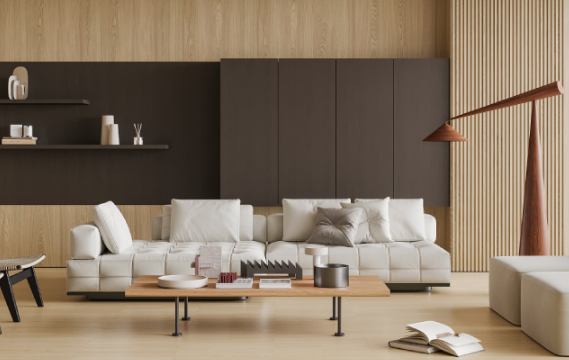
As a high-quality representative in the MCM ecological flexible porcelain field, Olinmat Ecological Flexible Porcelain has upgraded the full-dimensional functional advantages of MCM ecological flexible porcelain. Its core features are as follows:
A1‑Class Fire Resistance: Complies with stringent global fire safety standards, withstands high temperatures and fire hazards, and meets safety requirements for various scenarios.
Acid/Alkali Resistance & Aging Resistance: Meets physicochemical standards, ensuring no powdering or fading for up to 80 years, and withstands extreme climates and corrosive environments.
Light, Soft & Thin Profile: Weighs only one‑third of traditional tiles, with a thickness of just 3–5 mm, significantly reducing building load and transportation costs.
Waterproof, Anti‑Permeation & Self‑Cleaning: Resists moisture and heavy rain, with a surface that stays clean and requires minimal maintenance, suitable for diverse climatic conditions.
Rich Textures & Customizability: Accurately replicates the look and feel of natural stone, wood grain, etc., supports private and bulk customization, and adapts to diverse architectural styles.
Impact & Scratch Resistance: Tough and durable, resistant to damage, and can withstand minor impacts and scratches during construction and use.
Zero Radiation & Air Purification: Made from natural, eco‑friendly raw materials, free from radioactive pollution, and capable of adsorbing harmful gases in the air, aligning with green and healthy living concepts.
Firstly, under China’s “Dual Carbon” strategic goals, the continuous advancement of green, energy‑saving, and emission‑reduction policies has led to major strategic adjustments in the ceramics industry. More and more ceramic enterprises are joining the ranks of intelligent manufacturing and green production. The industry has fully recognized the importance of intelligent production and energy conservation and emission reduction for its development. Major ceramic companies are now actively taking effective measures to improve intelligent production efficiency, save energy, reduce emissions, and minimize pollution.
From the perspective of technology and environmental philosophy, MCM ecological flexible porcelain, as a new type of green building material, meets national development needs. Born under this macro‑trend, it is highly competitive in the field of eco‑friendly building materials. In terms of production, flexible porcelain fundamentally differs from traditional ceramic tiles. It uses natural raw materials combined with eco‑friendly polymer hybridization, requiring no high‑temperature firing in the process, which greatly reduces carbon emissions and addresses the environmental pain points of the building materials industry.
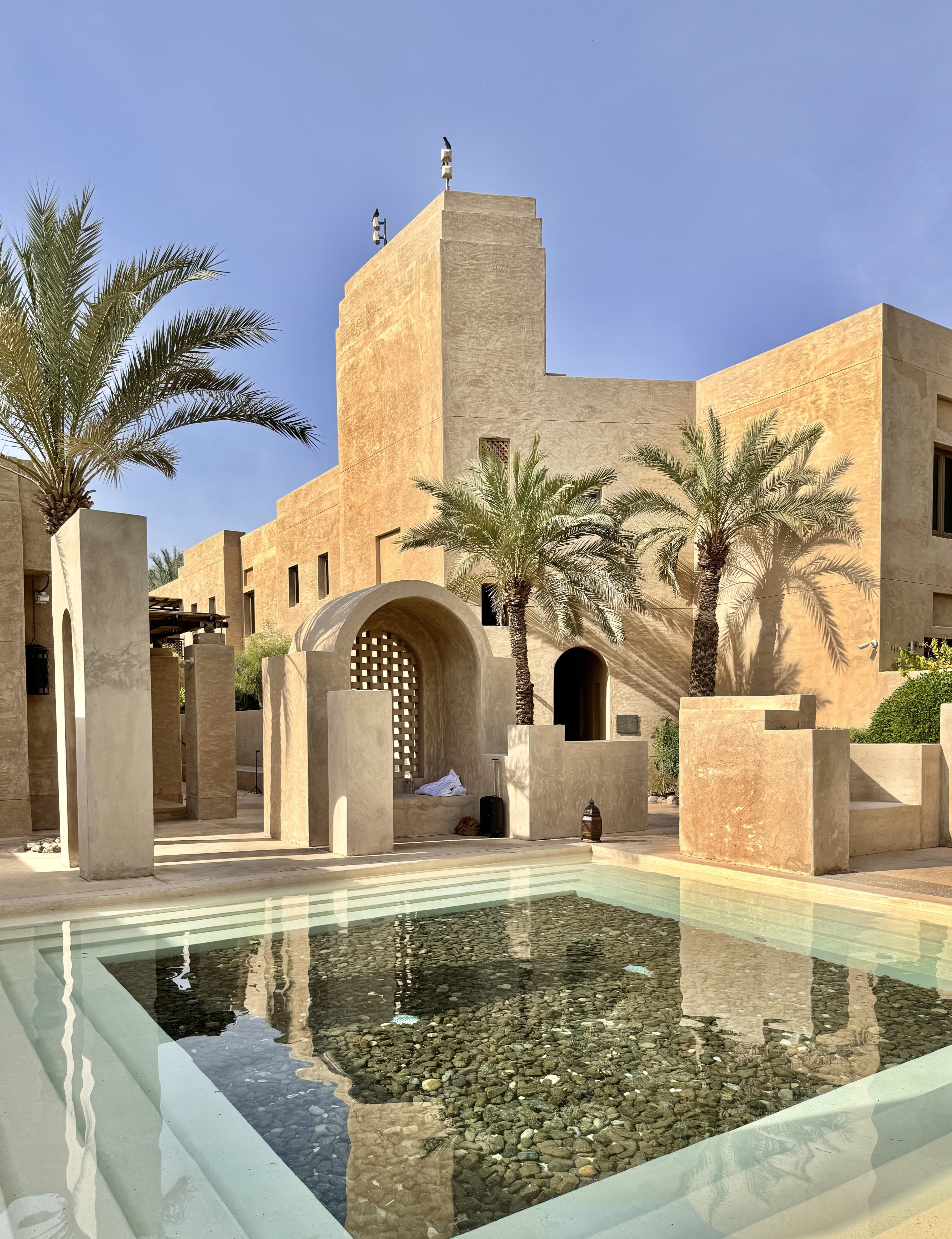
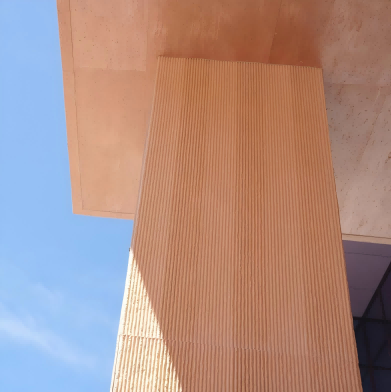
Currently, MCM ecological flexible porcelain is mainly used for building wall covering. It has been widely applied in municipal old‑city renovation, school projects, tourist attractions, residential complexes, and other fields. Compared with traditional sintered exterior wall tiles, flexible porcelain offers numerous advantages, which is why it is increasingly favored in the construction and building materials sector today.