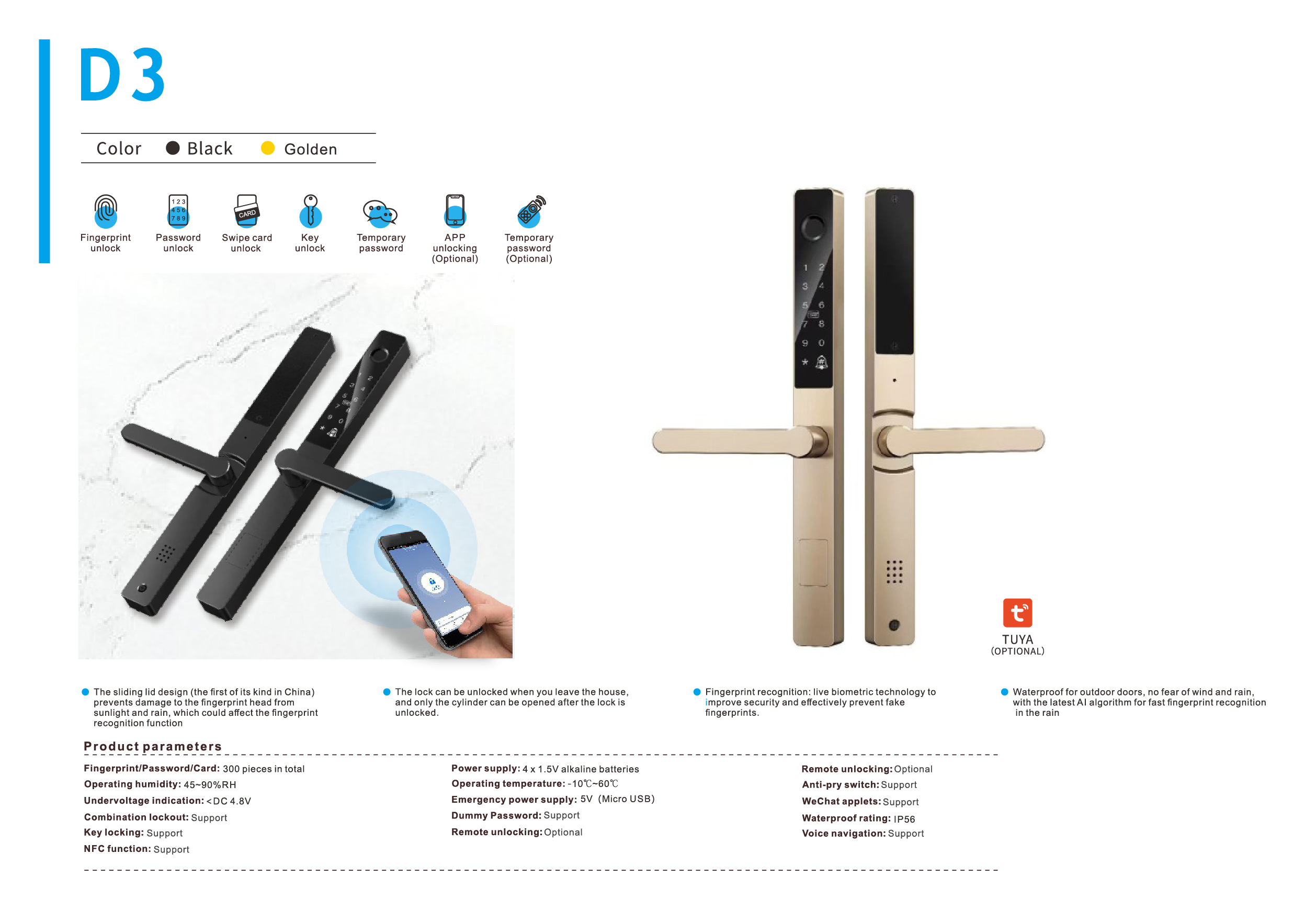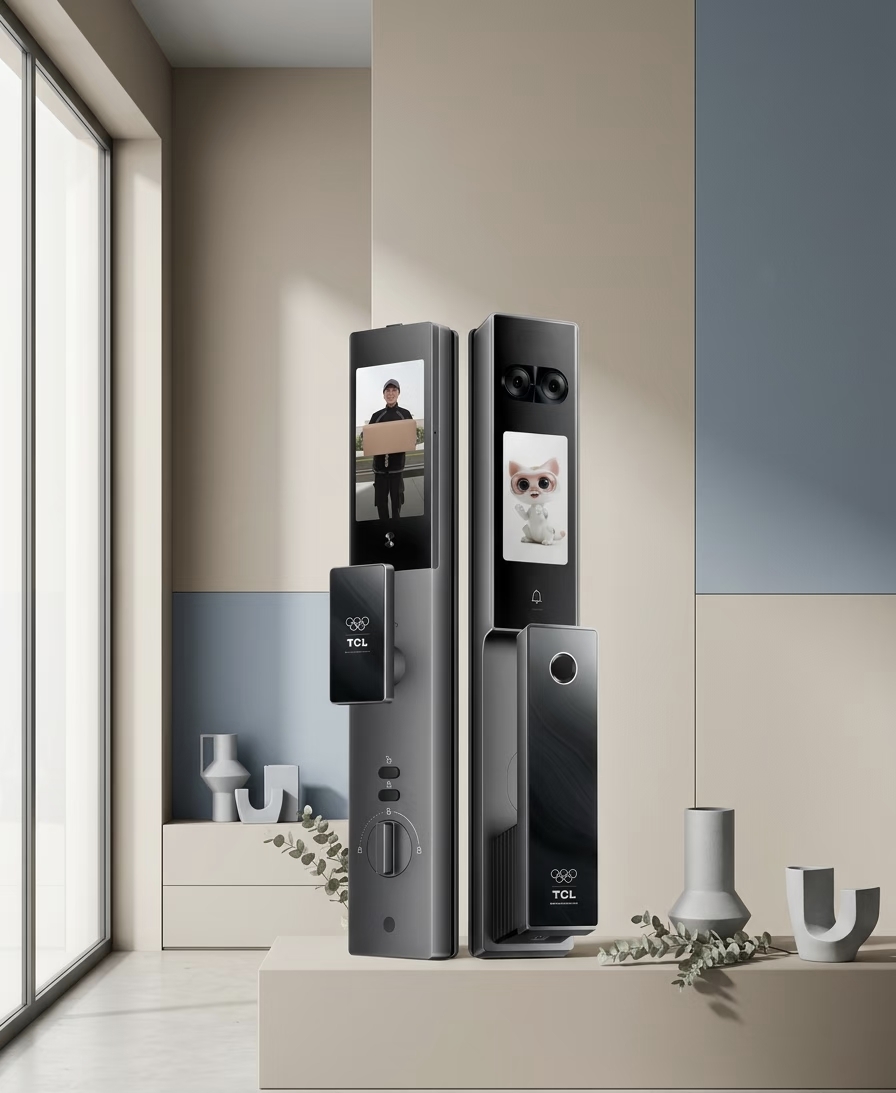


The smart lock market in the Middle East and North Africa (MENA) region is currently in the early stages of rapid growth, boasting enormous market potential. The region presents a landscape characterized by "Gulf state dominance, rapid growth in North Africa, and significant disparities between countries". Understanding the market performance of different types of smart locks and localized functional requirements is crucial for our product planning.
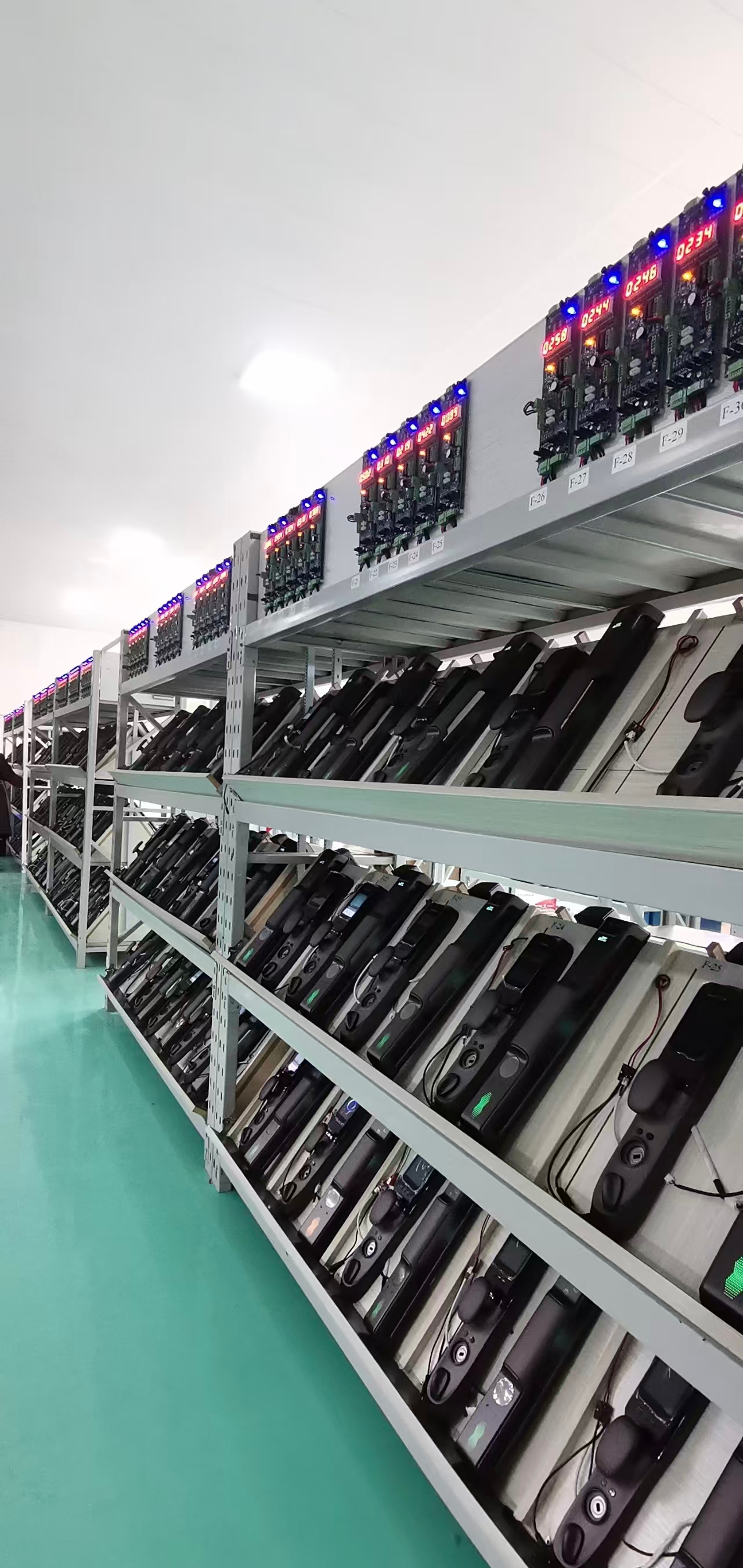
Main Product Types
In the MENA market, deadbolt replacements, which retrofit traditional lock cylinders, currently hold the largest market share due to their relatively simple installation. However, the fastest-growing segments are retrofit kits (wireless communication modules) and mortise/lever smart locks, indicating strong consumer interest in more integrated, aesthetically pleasing, and high-performance solutions.
User Preferences and Localized Requirements
Consumer demands in the region exhibit distinct hierarchical and geographical characteristics.
High-end Gulf Markets
Represented by Saudi Arabia and the UAE, consumers prioritize high security, brand recognition, full integration with smart home ecosystems, and premium features such as biometric recognition (which must be compatible with local traditional attire) and remote control.
Developing Markets
In countries like Egypt, Nigeria, and other North African nations, consumers are more price-sensitive and have strong demand for basic anti-theft functionality and product reliability. Additionally, durability in high-temperature, high-humidity, and dusty environments is a universal concern across all markets.
When entering this market, which is full of opportunities yet increasingly competitive, several key strategies warrant attention.
Key Market Entry Strategies
Partnership Model
Similar to international brands like Philips, the proven successful approach is "Globalized Technology + Localized Services". It is crucial to establish partnerships with local building material suppliers, security integrators, or large distributors that possess local channels, installation capabilities, and government relations.
Compliance and Certification
This is a mandatory threshold for market entry, with requirements varying by country:
•Saudi Arabia: Must obtain the SABER certification.
•UAE: Must comply with the ESMA certification standards.
•Tunisia: Must pass the INCERTEC certification, which includes strict EMC testing.
It is highly recommended to confirm specific country requirements with importers or professional certification bodies prior to export.
Competitive Landscape
The market features global security giants such as ASSA ABLOY, Allegion, and Dormakaba, as well as cross-border tech brands like Philips that have entered strongly through partnerships. Chinese enterprises hold advantages in flexible product customization and cost-performance ratio. A clear differentiated positioning—such as focusing on specific product lines, dedicated channels, or offering highly localized solutions—is the key to establishing a foothold.
Potential Export Opportunities
High-end Smart Residential Projects
Focus on high-end villas, luxury apartments, and large smart city projects (e.g., NEOM) in Saudi Arabia and the UAE, providing integrated, high-security smart lock solutions.
Commercial and Government Projects
Banks, hotels, corporate office buildings, and government facilities have a continuous need for access control system upgrades. This is a B2B market that is relatively price-insensitive but prioritizes system stability and after-sales service.
Cost-effective Product Lines
For fast-growing yet price-sensitive emerging markets like Egypt and Nigeria, developing reliable, functionally practical, and competitively priced basic or retrofit smart locks holds significant potential.
Environmentally Adapted Products
Developing products with enhanced weather resistance, dustproofing, and corrosion resistance to withstand the high-temperature desert climate of the Middle East and the high-salt-mist coastal climate of North Africa will create a distinct competitive advantage.