

I. Current Power Supply Status and Demand
The power infrastructure in the Middle East is generally well-developed, particularly in Gulf Cooperation Council (GCC) countries, where electrification rates approach 100%. However, these regions face another challenge: peak electricity demand driven by extreme climates. Summer temperatures often exceed 50°C, with air conditioning accounting for 70% of electricity consumption, leading to potential localized power restrictions. Furthermore, the region’s vibrant outdoor culture—from desert camping to coastal leisure—has created a rigid demand for off-grid charging. During Ramadan, increased family gatherings and nighttime activities further amplify the need for mobile power solutions.

The situation in Africa is more diverse. Northern Africa has relatively high electrification rates (excluding some rural areas), but sub-Saharan Africa still has approximately 600 million people without access to stable electricity, with rural electrification rates as low as 29%. Even in cities with grid coverage, such as Lagos and Nairobi, power outages occur several times a week, lasting hours each time. This “grid-connected but unstable” scenario has given rise to a unique phenomenon: the majority of power bank users are urban residents, not entirely off-grid populations.
II. Market Gaps
Scenario-Specific Power Shortages:
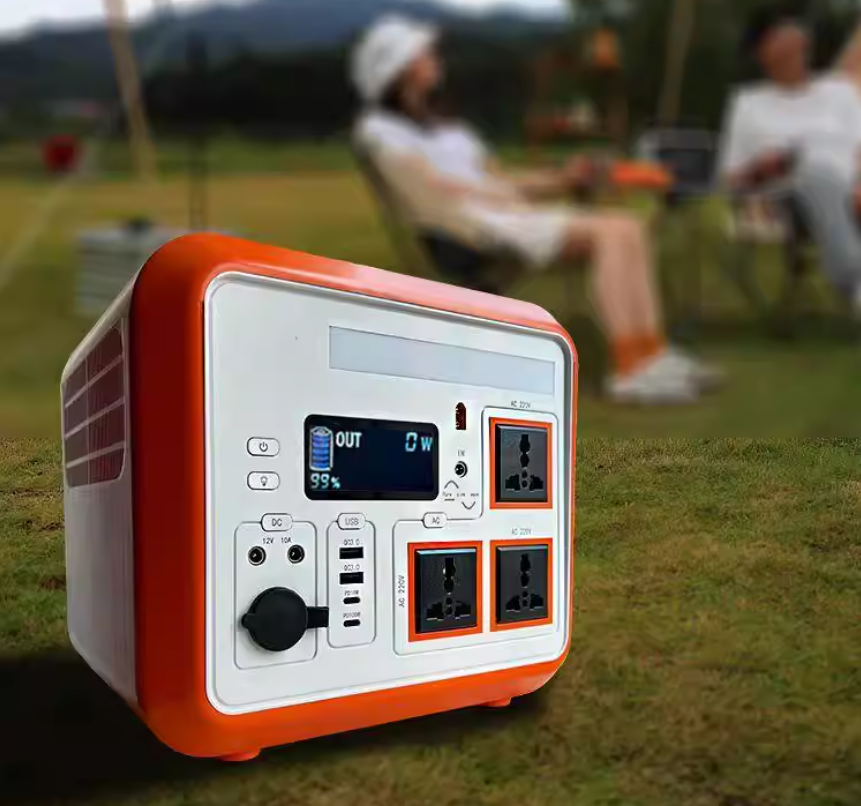
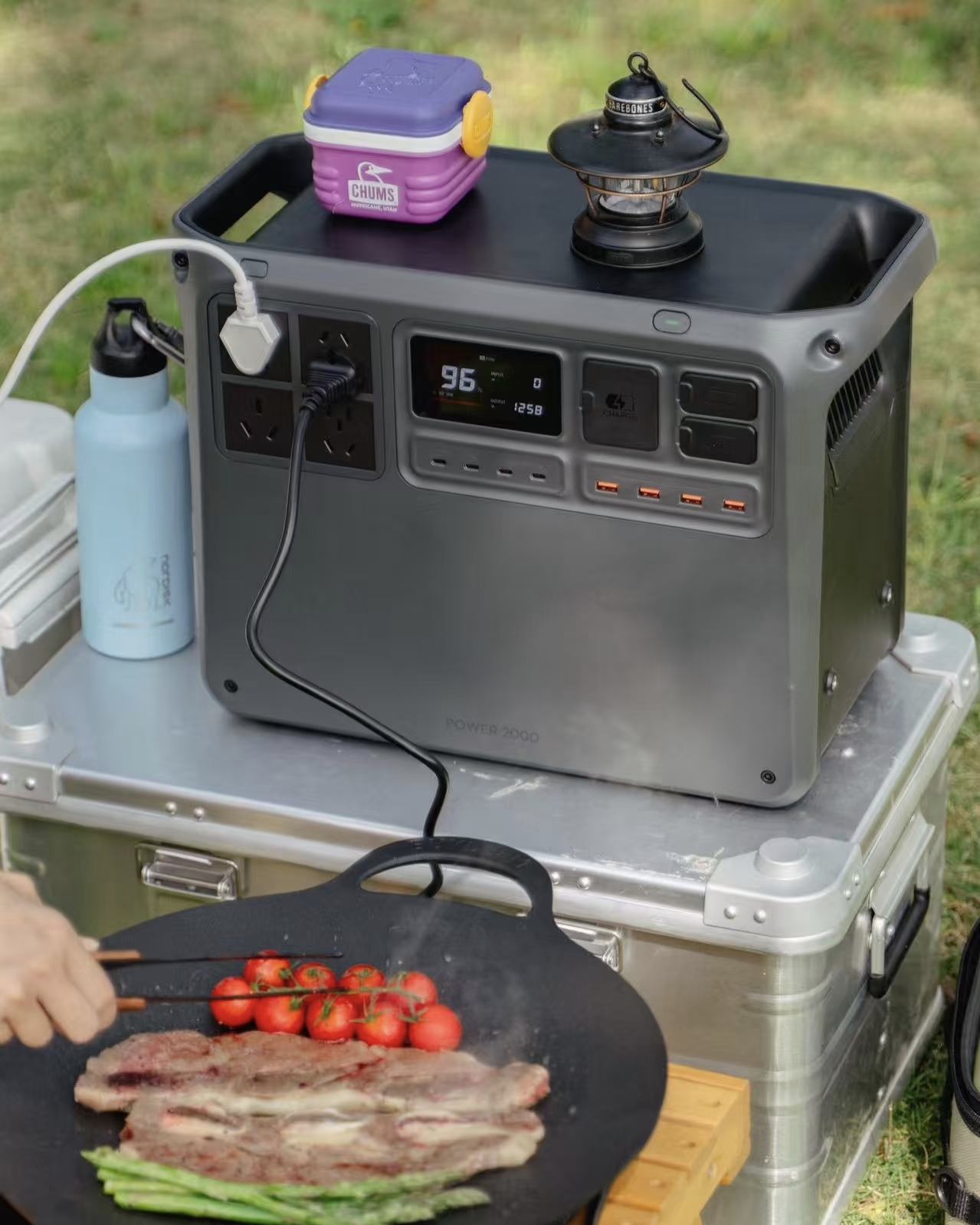
Outdoor activities in the Middle East (desert camping, yachting, long-distance road trips) require high-capacity, heat-resistant, and fast-charging devices. In Africa, the “last-mile” challenge manifests in specific scenarios such as vaccine refrigeration outages in clinics, mobile charging services for small businesses, and lighting for students studying at night. Existing products often fail to adequately address these real-world usage environments.Balancing Cost-Effectiveness and Durability:
The African market is highly price-sensitive, yet cheap, low-quality products, unable to withstand frequent charging cycles and harsh conditions like high temperatures and humidity, result in higher long-term costs. There is a lack of “right-fit” products that are both reasonably priced and sufficiently durable.Gaps in Renewable Energy Integration:
The Middle East has the highest solar radiation intensity globally, and Africa is similarly rich in sunlight. However, reliable solar-charging power bank products are scarce in the market and often priced prohibitively, failing to effectively leverage renewable energy for supplementary power.
III. Opportunities: Breakthroughs in Segmented Markets
High-End Weather-Resistant Market (Middle East and North Africa):
Catering to the quality preferences of consumers in the Gulf region, develop products with IP67 protection, 70°C heat resistance, and refined designs for high-capacity fast charging, priced between $100 and $300. Introduce color schemes such as gold and navy blue that align with local aesthetics, along with Ramadan gift sets.Mass Market for Durability (West and East Africa):
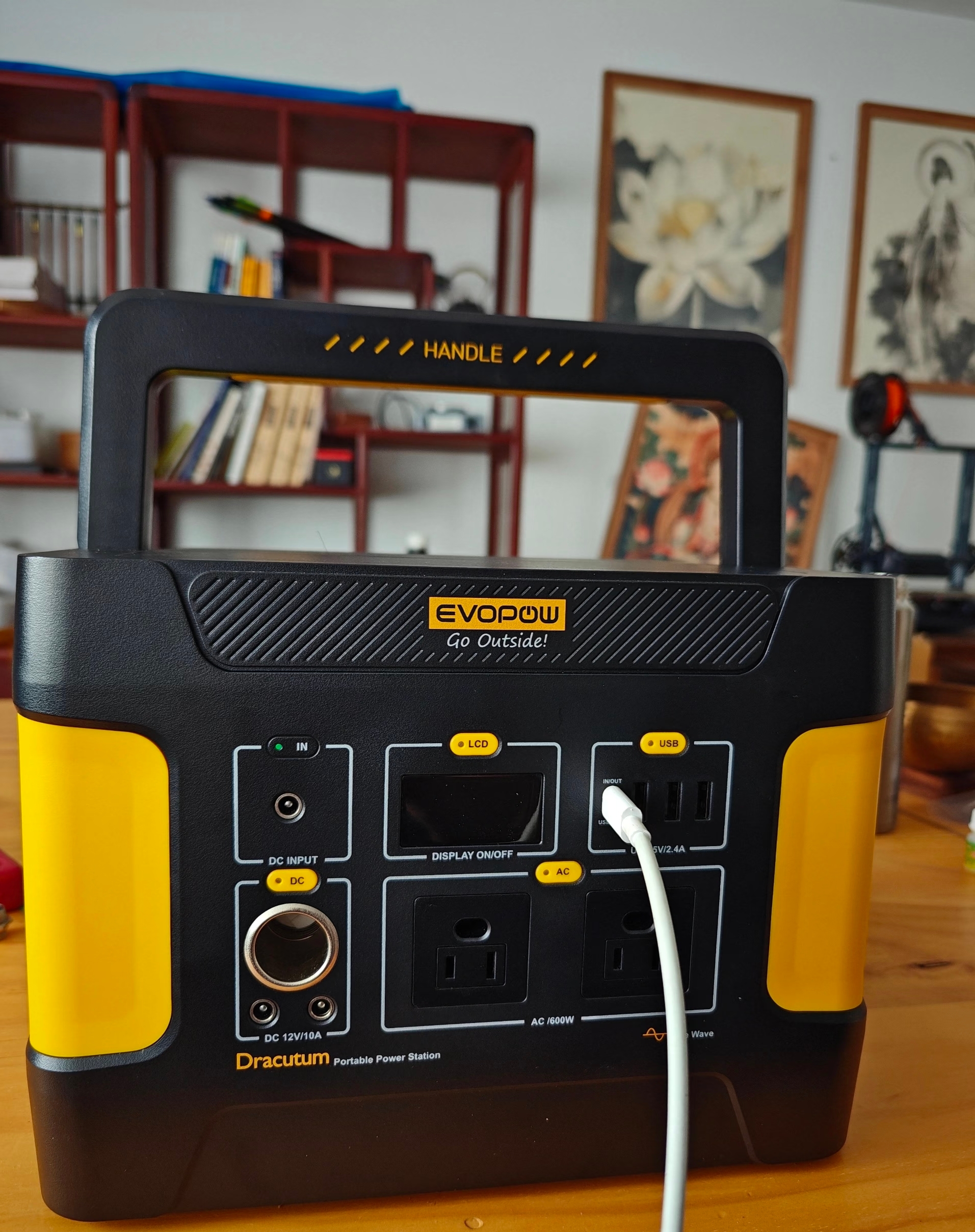
For urban areas with frequent power outages, develop economical products with over 500 charge cycles and capacities between 10,000 and 20,000 mAh, with costs controlled to $15–30 through simplified packaging and local assembly. Focus on optimizing fast-charging performance to meet the needs of small businesses like mobile charging stations.Solar Integration Market (Rural and Off-Grid Areas):
Develop modular products where the base power bank can be used independently or connected to small solar panels (10–20W) for off-grid charging. Prioritize solving challenges related to solar charging efficiency and extreme environmental tolerance, while collaborating with NGOs and government electrification projects.B2B Solutions:
Provide customized power bank solutions for telecom base station maintenance, mobile medical points, and outdoor security sites in Africa. In the Middle East, develop bulk procurement plans for tourism companies, car rental agencies, and event planning firms.
IV. Market Entry Strategy Recommendations
Certification First:
Certifications such as Nigeria’s SONCAP, Kenya’s PVoC, and Saudi Arabia’s SASO are prerequisites for market entry and must be planned in advance.Localized Partnerships:
Partner with local mobile phone distribution networks in Africa to leverage existing channels for rapid market penetration. In the Middle East, collaborate with telecom operators (e.g., Etisalat, STC) to launch bundled packages.Scenario-Based Marketing:
Showcase power bank applications in specific scenarios on social media—such as “mobile charging shop entrepreneurship stories” in Africa and “desert starlight movie nights” in the Middle East.Service Innovation:
Explore “trade-in” recycling programs to address battery waste issues while enhancing customer loyalty.
The challenge of power shortages has transformed into a unique opportunity for the mobile power market in these regions. Companies that deeply understand the localized chain of “when power outages occur, where electricity is needed, and who pays for it” will not only achieve commercial success but also actively participate in the historical process of improving energy accessibility in these two regions. In this context, power banks are no longer merely consumer electronics but integral components of modern life’s “basic energy infrastructure.”
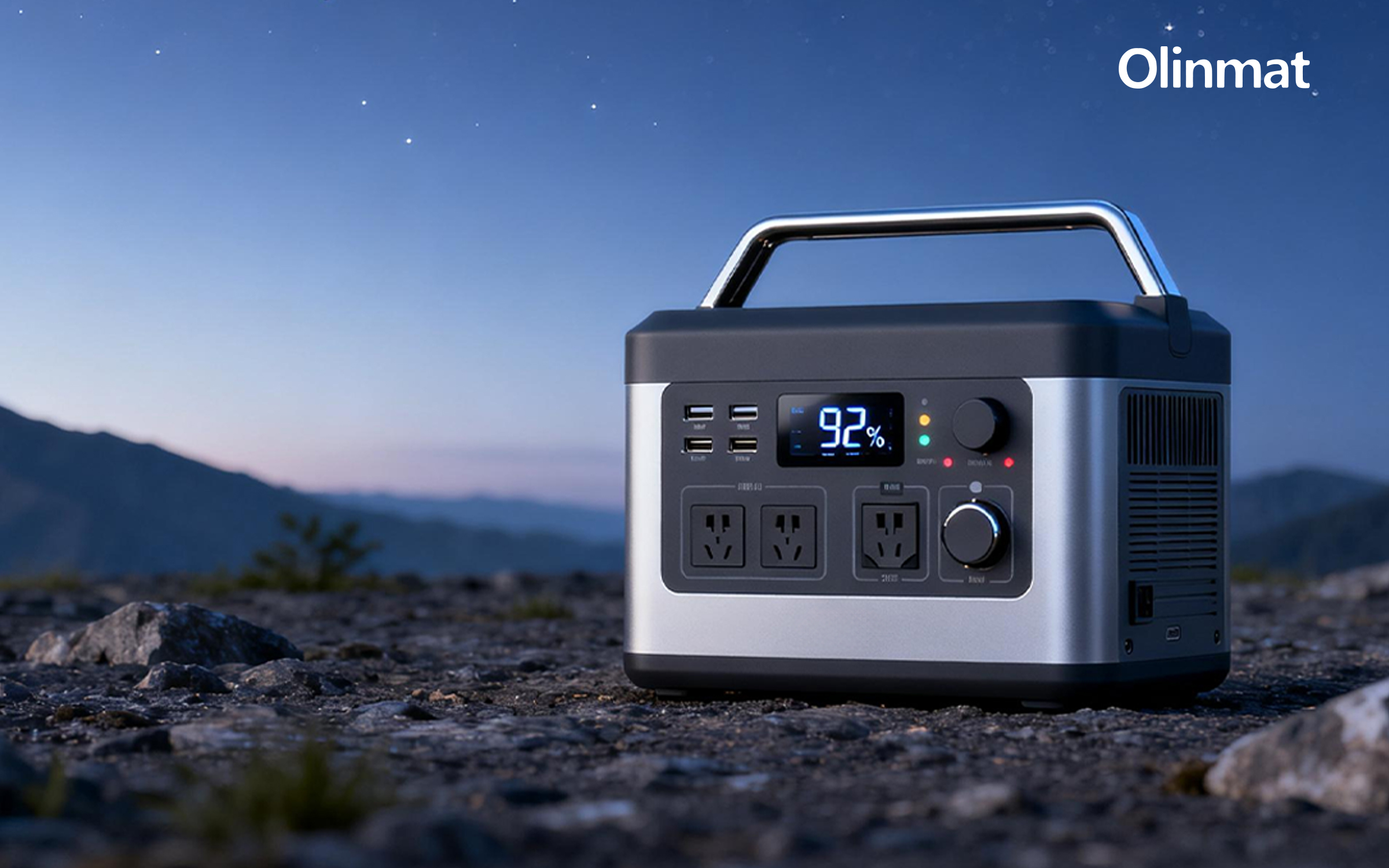
It is within this market landscape that Olinmat Power Banks have developed a unique competitive advantage. We do not simply sell products; we provide complete power solutions tailored to local environments. Through a decade of market experience, Olinmat has come to a fundamental realization: the best products are not defined by technical specifications but by their ability to deliver reliable and stable power during outages. As night falls, from Cairo to Johannesburg, countless devices powered by Olin continue to operate. This not only validates the practical value of our products but also reflects our tangible contribution to advancing energy accessibility. We remain committed to the belief that addressing real-world energy challenges is the core purpose of technological advancement.