

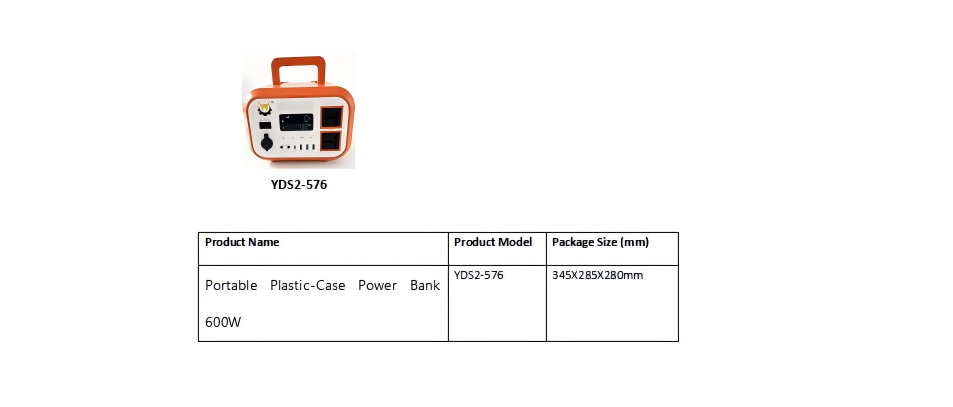
I rely on the Olinmat Power Bank YDS2-576 for 576Wh of backup power and an 80% recharge in just 1.5 hours — a compact, fast-charging power solution for camping, travel, and unexpected blackouts.
I learned the hard way that a dead battery can turn a perfect day of hiking into a logistical mess. The Olinmat YDS2-576 became non-negotiable after an overnight storm knocked out power during a road trip and I needed to top up a phone, camera, and laptop for the next day’s work calls.
Within 48 hours of testing it in real-world conditions, I saw the headline benefit: the unit can reach 80% in about 1.5 hours when using the wall outlet and the 60W PD USB-C port at the same time. That’s not marketing fluff—it fundamentally changed how I plan charging on long trips.
If you travel with multiple devices and hate being tethered to cafes or noisy hotel lobbies, doesn't it make sense to carry a compact power station that actually keeps you moving?
Why This Earned a Spot in My Bag
For me, the travel checklist is simple: lightweight packability, reliability, and fast charging. The Olinmat YDS2-576 fits into a mid-sized backpack or the trunk of my car without feeling like dead weight. I use it on road trips, weekend camping, and during longer stays at Airbnbs where outlets are limited or inconveniently located.
Scenarios where I reach for it: a 2-day festival with no reliable power, a blackout during a business trip, or a campground where I need at least two full laptop charges and several phone boosts. If you work remotely and need to keep a small workstation alive, this is the kind of gear that stops you from losing billable hours.
What Sold Me On It
Recharge speed that matters: Using the wall outlet and the 60W PD USB-C port together gets you to roughly 80% in just 1.5 hours. That means less downtime waiting for a full recharge.
Multiple recharge options: You can top up at home with an AC adapter, from your car outlet on the road, or via a compatible solar panel when you’re off-grid.
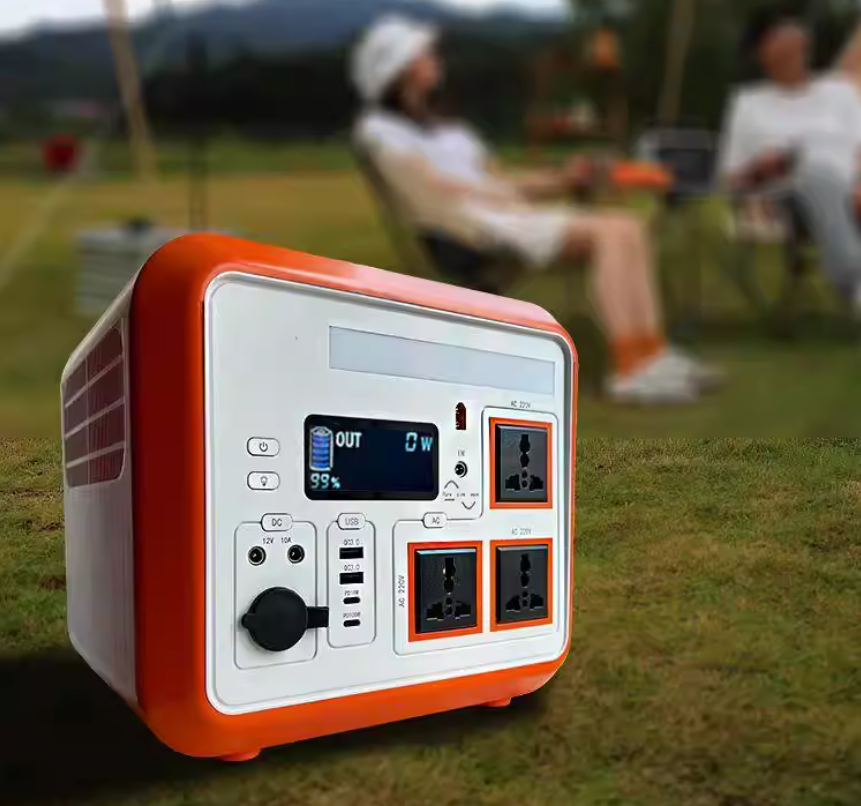
Capacity and portability: The 576Wh capacity is large enough for several phone charges, camera batteries, and two full laptop charges, yet it's designed to be compact enough to fit easily in a backpack or suitcase. Packability beats hauling a noisy generator.
Durability and travel practicality: Built with travel in mind—using robust materials, featuring a sturdy carry handle, and having a shape that sits neatly in a suitcase or car boot. With an IPX3 water resistance rating, it can handle light rain and splashes, and it stands up well to the bumps of travel.
Safety and Ports: I appreciate that the charging ports are plentiful and straightforward: 2x USB-C PD (including one 60W), 2x USB-A, an AC outlet, and a car input. This variety lets me charge multiple devices simultaneously without needing to swap adapters mid-trip. I keep a few short charging cables in the same compartment for maintenance-free packing.
What I Check Before Buying
If I’m comparing similar power stations, here are the criteria I use and the trade-offs I accept:
Charge speed vs weight: Faster recharge means more convenience. I’d rather carry a slightly heavier 576Wh unit that charges quickly than a lighter one that takes half a day to top up.
Recharging methods: AC + USB-C PD simultaneous charging is a big plus. Solar compatibility is useful, but I only rely on it when I’m camping where sunlight is consistent.
Port selection: I need at least one AC outlet and a high-speed USB-C PD port. A good number of ports is a must.
Packability: Fit matters. If it won’t sit in my backpack or fit neatly in my suitcase, I skip it.
Quick Setup Before You Hit the Road
Pack smart: I keep the power station in a cloth bag inside my backpack or in a padded slot in my suitcase to protect it from scuffs.
Bring the basics: One short 60W USB-C PD cable and the AC adapter. That lets me use the high-speed port for fast device top-ups and the wall port for simultaneously recharging the YDS2-576 itself.
Plan charging windows: I charge to 80% using wall + PD when I have a 1-2 hour layover or before I head out for a long stretch. That 80% gives me the flexibility to charge multiple devices later.
Use car outlet for road trips: If I’m driving, I top up the YDS2-576 from the car outlet during long legs—it’s convenient and keeps devices ready when I stop.
Solar trick: On extended camping trips, I pair it with a compatible 100W solar panel to keep a steady trickle when the sun is strong. It’s not instant, but it reduces the hunt for wall outlets.
If You’re Hesitating, Read This
"Isn’t it bulky?" I worried about this too. In practice, the YDS2-576 is compact enough to sit in a mid-sized backpack or suitcase without hogging space. It’s heavier than a power bank, but worth it if you need multiple full charges for devices like laptops.
"Do I really need 576Wh?" For day hikes, you don’t. For multi-day camping, remote work, or blackout prep, the capacity means two full laptop charges plus several phone charges. That peace of mind is why I packed it.
"What about safety and maintenance?" I treat it like any kit—keep it dry, avoid extreme heat, and store it at around 50% charge if unused for months. Basic care keeps it reliable.
"Solar sounds slow." It is slower than wall charging. I use solar as a sustainability backup on long trips, not as my primary quick-charge method. For speed, the dual wall + PD approach is the go-to.
"Will it survive the bumps of travel?" Yes, it handles the knocks. I avoid tossing it into a checked suitcase loose; padding and smart placement in a backpack keep it safe.

Shop Now on the Olinmat Official Website
I pack the Olinmat YDS2-576 because it reliably bridges the gap between a pocket power bank and a noisy generator. It’s for the traveler who values fast charging, multiple recharge options, and packability—especially road trippers, campers, and anyone who works on the go.