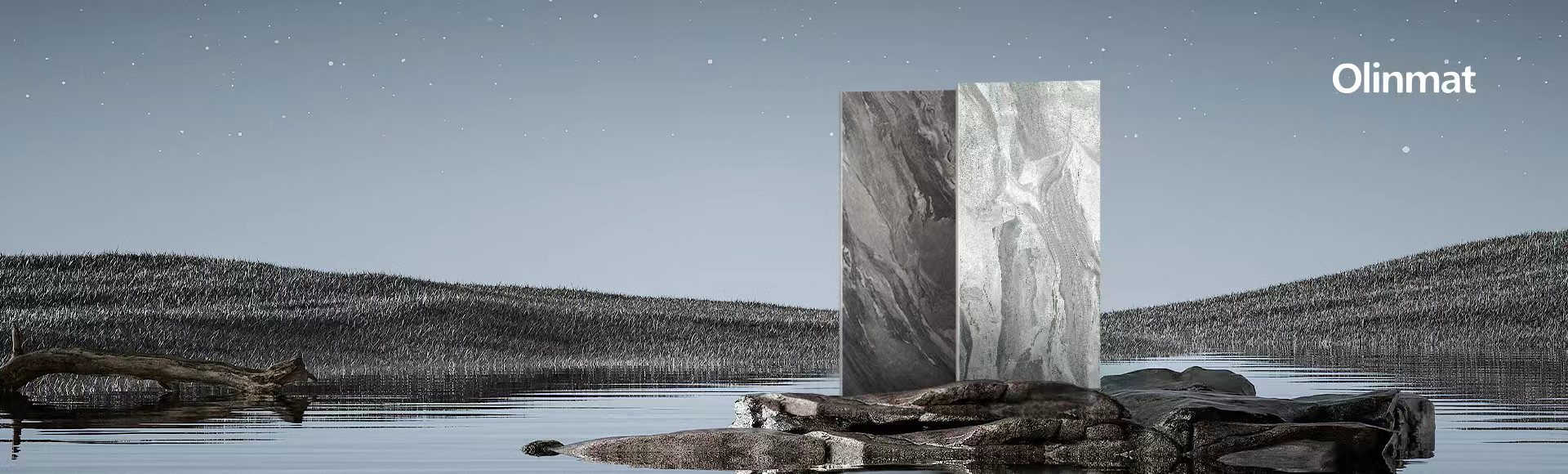


As the building decoration materials industry shifts toward lightweight, eco-friendly, and efficient solutions, Olinmat Flexible Ceramic Tile emerges as an innovative game-changer. Leveraging its core technological advantages, it breaks through the application limitations of traditional finishing materials. This article provides a multidimensional analysis of Olinmat's absolute competitiveness in engineering projects from four perspectives: engineering safety, construction efficiency, durability and maintenance, and cost-effectiveness with environmental sustainability.
I. Engineering Safety: Building a Secure Foundation
1. Lightweight Safety: Eliminating Risks at the Source
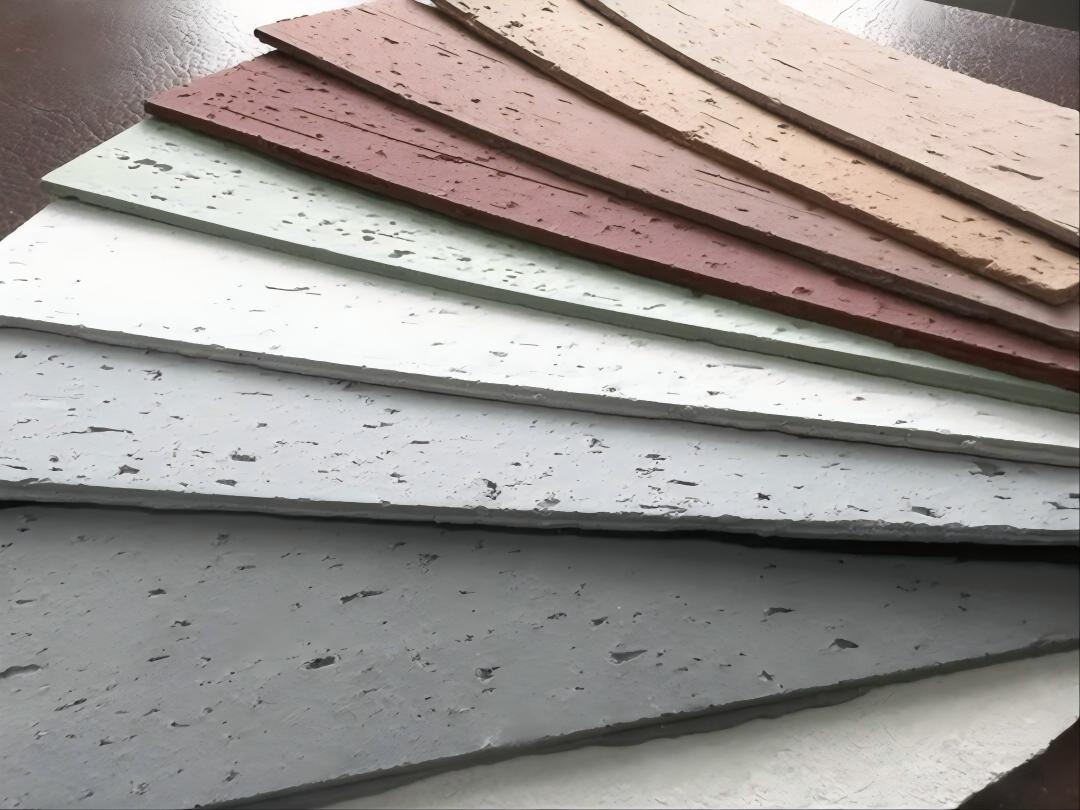
Weighing only 3-6kg/m², Olinmat Flexible Ceramic Tile is less than one-tenth the weight of natural stone (50-80kg/m²), significantly reducing building facade loads and fundamentally solving the safety hazards associated with heavy, detachment-prone stone materials. Utilizing specialized bonding technology, its adhesion strength far exceeds industry standards, allowing firm application to various substrates while perfectly replicating natural stone textures. Test results show Olinmat's formaldehyde emission is ≤0.02mg/m³, well below national limits, further strengthening project safety benchmarks.
2. Flexibility and Crack Resistance: Adapting to Seismic Demands
Olinmat Flexible Ceramic Tile possesses excellent flexibility with a minimum bending radius of just 0.3m. It easily passes the Φ100mm cylindrical rod bend test without cracks, effectively resisting wall cracking caused by building settlement, seismic vibrations, and temperature differentials. Whether in severe cold or high-temperature regions, Olinmat deforms synchronously with the substrate, completely overcoming the "rigidity leads to cracking" challenge common with traditional materials.
II. Construction Efficiency: Cost-Effective and Hassle-Free
Olinmat Flexible Ceramic Tile utilizes a simple wet-lay method, requiring only specialized tile adhesive for secure installation. Regular workers can operate after minimal training, and the material can be cut with a utility knife—no power saws needed. Installation speed reaches 35㎡ per workday, nearly three times faster than traditional stone installation.
For renovation projects, Olinmat can be applied directly over existing ceramic tiles, mosaics, or stone without demolition. A 100㎡ facade project takes only 3-5 days to complete, reducing construction timelines by over 40% compared to traditional materials. Additionally, its lightweight nature reduces transportation costs by more than 60% compared to traditional stone, delivering substantial overall savings.
III. Durability and Maintenance: One Investment, Lifetime Peace of Mind
1. Long-Lasting Performance: Service Life Exceeding Competitors
After 3,500+ hours of accelerated aging testing, Olinmat shows no cracking, blistering, or powdering, with strong UV resistance and a normal service life of up to 50 years. In comparison, low-grade real stone paint lasts only 1-2 years, premium versions merely 5-8 years (requiring frequent renovation), and water-in-sand coating offers about 20-30 years but is prone to delamination.
2. Self-Cleaning and Easy Maintenance
Made from natural clay and stone powder with nano-glaze treatment, Olinmat achieves a stain resistance rating of Level 4. It repels dust—rainwater rinses it clean naturally. Conversely, real stone paint becomes sticky in summer heat, attracting dirt and forming unsightly "stain marks" after rain that are difficult to clean. Traditional stone is prone to discoloration and staining, incurring high maintenance costs.
IV. Cost-Effectiveness and Environmental Sustainability: Optimal Total Cost, Green Building Choice
1. Lowest Lifecycle Cost
While Olinmat's initial investment slightly exceeds low-grade real stone paint, its 50-year lifespan eliminates frequent renovation needs, with near-zero maintenance costs. Low-grade real stone paint's long-term cost is 3-5 times higher. Installation requires only 1-2mm of adhesive—saving 70% compared to traditional stone—reducing total project costs by 30%-50%.
2. Green and Low-Carbon: Circular Regeneration
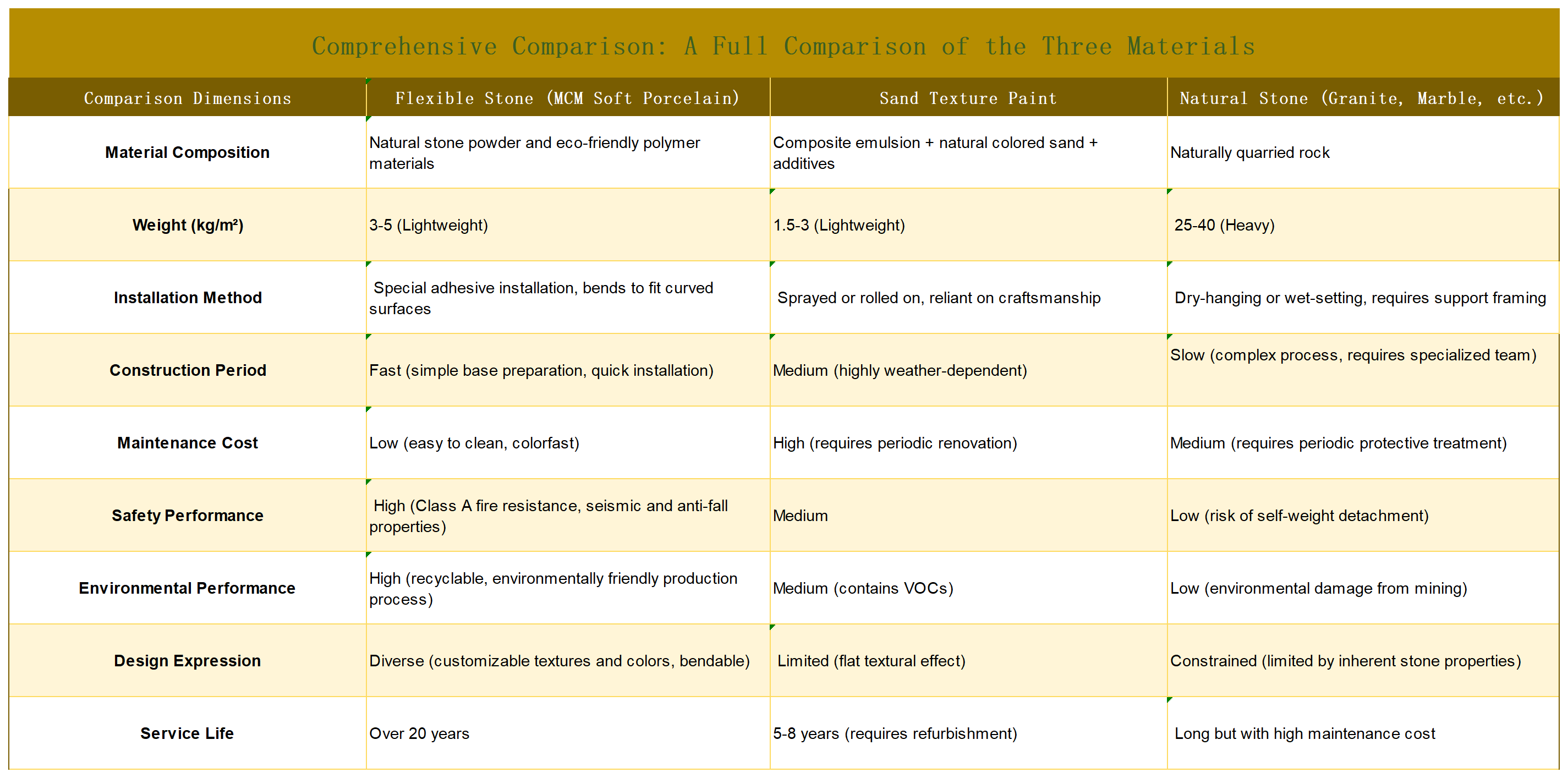
Olinmat utilizes low-temperature sintering at 80-120°C, saving 80% energy compared to traditional ceramics fired at over 1,000°C. Each square meter consumes merely 0.2 kWh of electricity, reducing carbon emissions by 68%. Made from ordinary clay and stone powder, it eliminates the need for quarrying. At end-of-life, it can be recycled into new products or returned to soil—truly achieving "from the earth, back to the earth." This circular approach perfectly aligns with carbon reduction policies and green building standards.