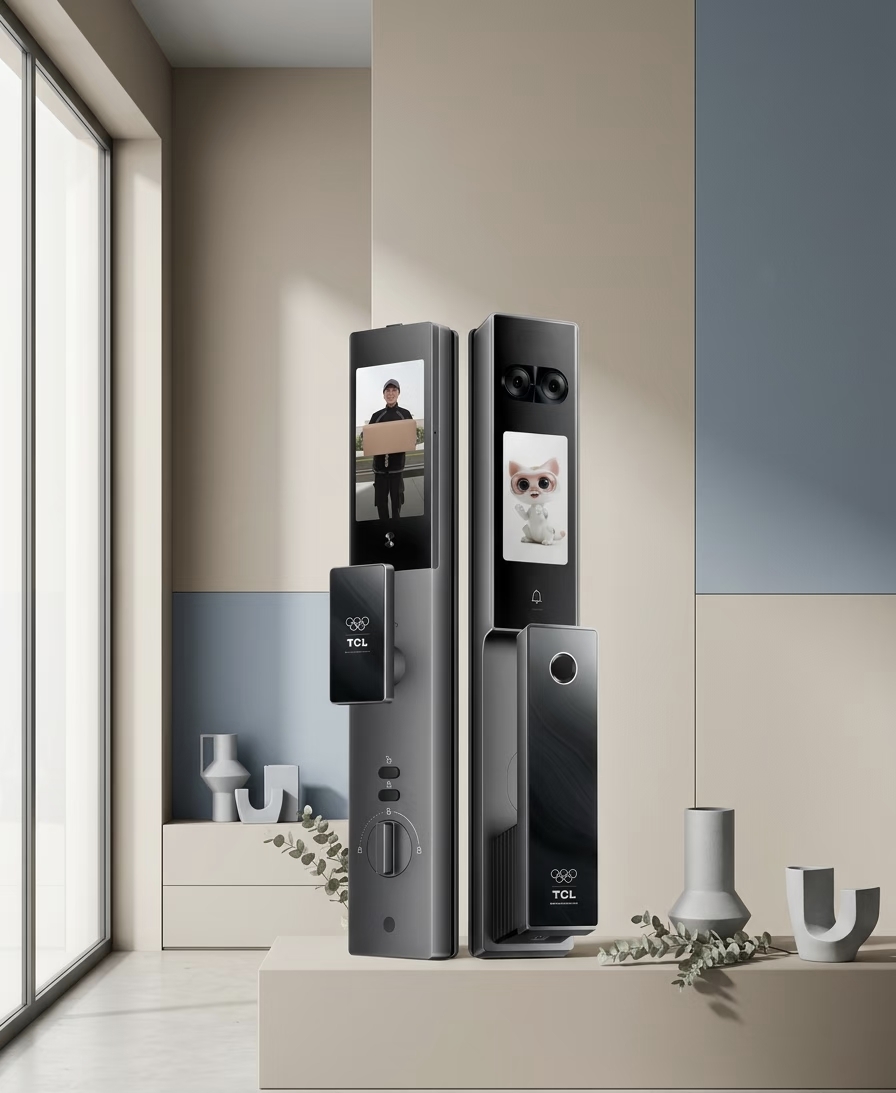


Nearly 30% Fail? Is Your Smart Lock Really Safe?
No more fumbling for keys – a touch of your fingerprint or a scan of your face opens your door. When you’re away, you can check your lock’s status on your phone. A temporary password lets friends in when they visit. Smart locks have become a standard feature for home renovations and new homes. Many believe this “tech-powered defense” is inherently more secure than traditional locks.
But is that really true?
Shocking Failure Rates: 32.7% Unqualified
In April 2026, the State Administration for Market Regulation released its national product quality results. Out of 156 electronic lock samples, 51 were unqualified – a failure rate of 32.7%. Among these, 34 models failed core safety requirements, with problems such as insufficient bolt strength and poor resistance to forced entry.
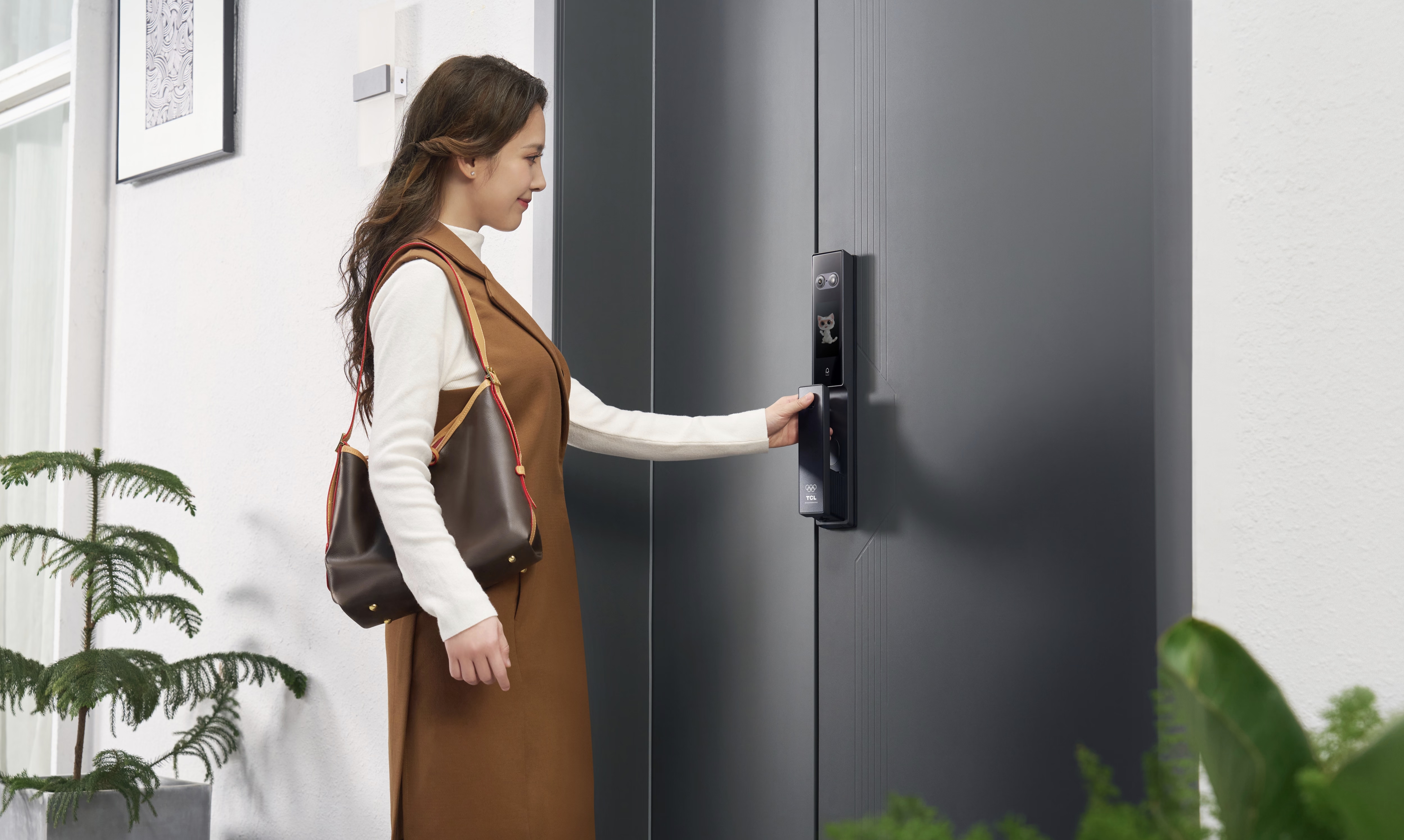
Around the same time, a comparative test by consumer associations in Beijing, Tianjin and Hebei delivered even more alarming results. The test purchased 30 popular models from 20 mainstream brands. The findings were startling:
3 face‑recognition locks could be unlocked in seconds using a flat photo taken with an infrared camera.
12 out of 19 locks with IC cards could have their cards easily copied with ordinary equipment.
3 out of 27 networked locks transmitted passwords and unlock commands in plain text – a hacker on the same network could intercept the data and unlock the door remotely.
These numbers are not just laboratory curiosities; they reveal a real industry crisis.
Three Major Safety Myths – Do You Believe Any of Them?
Myth #1: The more features, the safer the lock.
In fact, a smart lock is first and foremost a lock – “smart” comes second. Most problems arise from manufacturers cutting corners on basic security to keep prices low, while piling on gimmicky features.
Myth #2: Physical protection is already good enough.
Civilian lock cylinders are rated A, B, or C. Grade C is the highest civilian security level, requiring at least 270 minutes against professional lock‑picking. But many cheap locks still use poor A or B cylinders that a skilled person can open in tens of seconds. Weak bolts and missing anti‑peephole designs are also common.
Myth #3: Face and fingerprint recognition are foolproof.
Low‑cost locks often use optical fingerprint sensors, which can be fooled by a simple silicone fingerprint mold costing a few dollars. Low‑end 2D face recognition modules can be unlocked with a printed photo. Although the new national standard (effective 2025) requires Grade C products to defend against 3D prosthetic attacks, many products on the market still can’t even stop a flat photo attack.
An even more hidden risk: network and permission vulnerabilities.
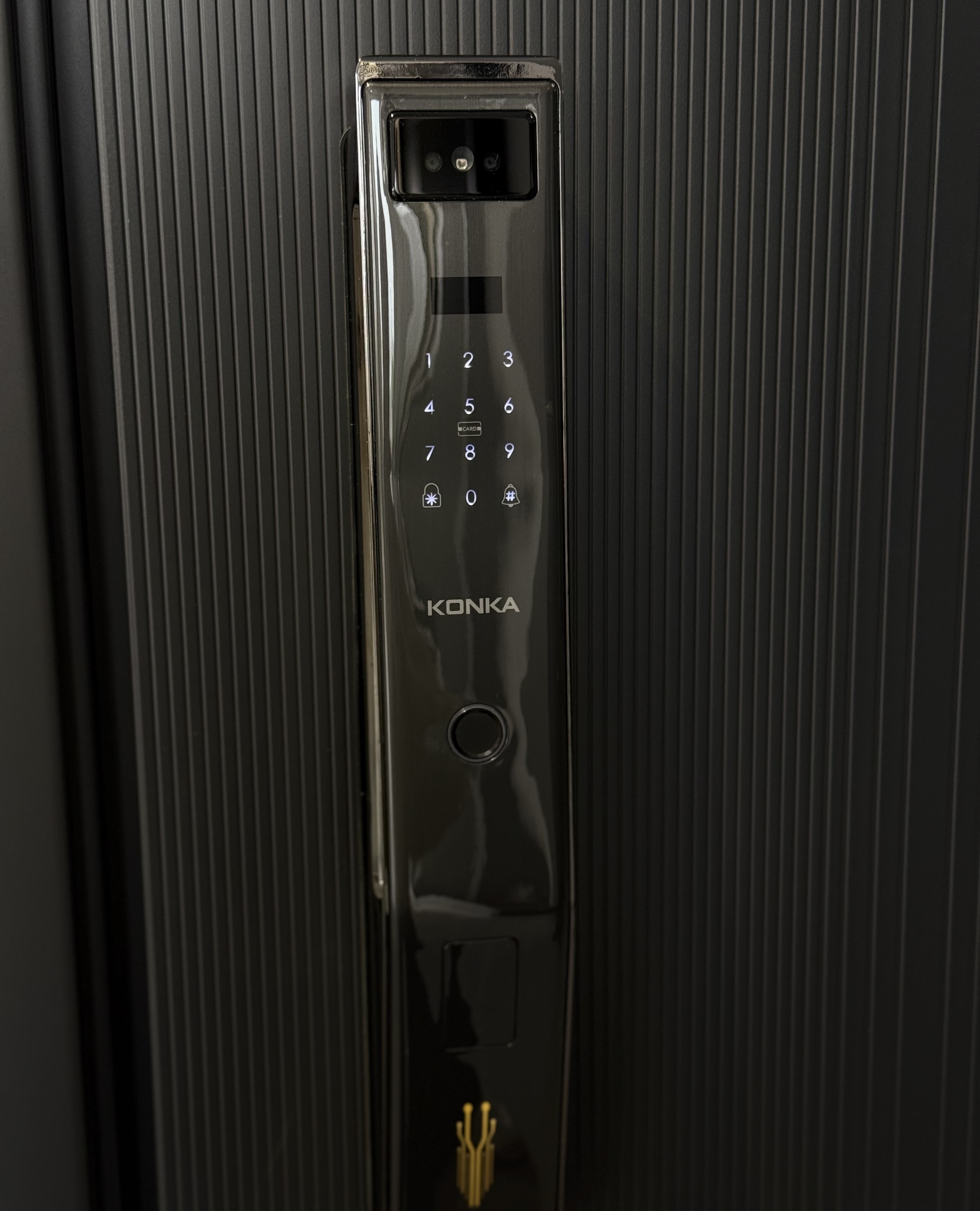
Many small and medium brands fail to encrypt data, have firmware holes, and lack cloud security. Hackers can intercept unlock credentials. But even more insidious is poor permission management – not changing the default admin password after installation, or failing to delete previous owners’ permissions. These “invisible keys” can be exploited at any time.
The Race to the Bottom: Security Keeps Falling
A qualified lock that meets the new national standard has a bill‑of‑materials cost of over 200 yuan just for key security components, not including R&D, testing, and after‑sales support. Those viral “budget” locks that sell for around 100 yuan cut corners on core parts, often without basic safety testing. The industry’s price war has even forced some well‑known brands to release cheaper, lower‑security models, dragging down the entire market.
How to Protect Your Home’s Security
When buying a smart lock, remember to:
Give priority to products that comply with the mandatory new national standard GB21556.2‑2025 and meet Grade C security.
Choose a Grade C direct‑insert cylinder. For fingerprint recognition, pick a semiconductor live‑fingerprint sensor. For face recognition, choose 3D structured light or dual‑camera infrared live detection.
Make sure the lock has anti‑EM pulse (anti‑Tesla coil) and anti‑tamper alarm functions. Avoid no‑name, ultra‑cheap products.
When using your smart lock:
Immediately change the default admin password after installation and delete any test permissions.
Reset the lock and remove old permissions whenever there is a change of residents (e.g., tenant moves out, housekeeper leaves).
Never leave the emergency mechanical key inside your home. Update firmware regularly and use virtual passcodes to avoid peeping.
What Does a Truly Secure Smart Lock Look Like?
When the industry is trapped in a cycle of low prices and gimmicks, a trustworthy smart lock must return to its essence: security first. Olinmat Smart Locks are built on exactly this philosophy, redefining what home security should be.
Physical security from the ground up
Every Olinmat lock is equipped with a Grade C direct‑insert anti‑theft cylinder, a high‑strength alloy lock body, and anti‑crowbar construction. Anti‑peephole design comes standard, blocking both technical and brute‑force attacks.Real biometrics – no fakes allowed
Our semiconductor live fingerprint sensor recognises only living fingers – silicone molds and printed fingerprints are useless. Our face‑recognition models use 3D structured light depth sensing that cannot be tricked by high‑resolution photos, videos, or even 3D‑printed masks.Network and permission protection
All networked data is transmitted with financial‑grade encryption. Firmware is tamper‑proof and supports secure updates. Olinmat features a clear admin‑user two‑level permission system, forces you to change the default password after installation, and lets you view and delete any authorised device or user at any time. Your door opens only for you.Full compliance – no shortcuts
Olinmat strictly meets the mandatory GB21556.2‑2025 national standard, and has passed tests for anti‑EM pulse, anti‑tamper alarm, virtual passcode, and more. From hardware to software, we never compromise security for a lower price.
We choose smart locks for convenience and peace of mind – not to install a hidden hazard at our front door. A good smart lock protects not just a door, but the home behind it, and everything you treasure.
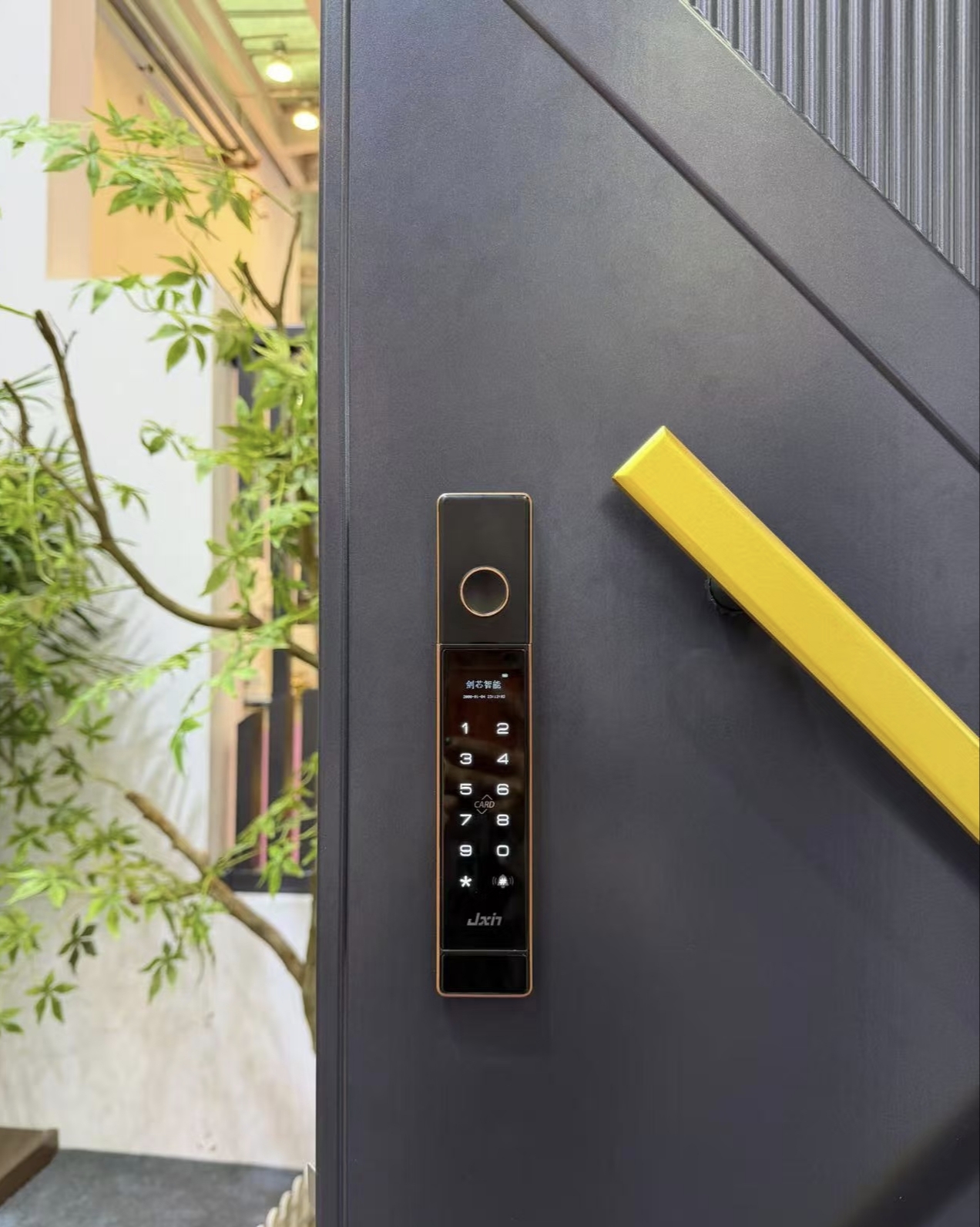
After reading this, why not check your own lock right now – is it really secure? If you’re not entirely sure, perhaps it is time to switch to Olinmat.