



Smart locks have been one of the fastest-growing categories in smart homes over the past few years, and also one of the first smart home devices for many ordinary consumers. However, in 2025, the overall smart lock market did not maintain high-speed growth, but instead showed stable sales volume with weak share growth.
According to Aoweiyun Cloud Network data, in the first three quarters of 2025, online retail sales of smart locks reached about 5.92 million units, a year-on-year increase of approximately 12%, while retail value growth was relatively limited. The Double 11 performance was also not optimistic: institutional monitoring showed online sales ranged from 1.37 million to 1.40 million units.
Nevertheless, this shift does not signal an industry downturn, but rather the arrival of a new turning point. Another Aoweiyun report pointed out that the replacement cycle for smart locks is roughly 5–7 years, which coincides with the first batch of early adopters. This means the seemingly stable smart lock market in 2025 is actually preparing for an upcoming replacement wave.
Smart Lock Competition in 2025: AI Becomes the Industry’s Common Ground
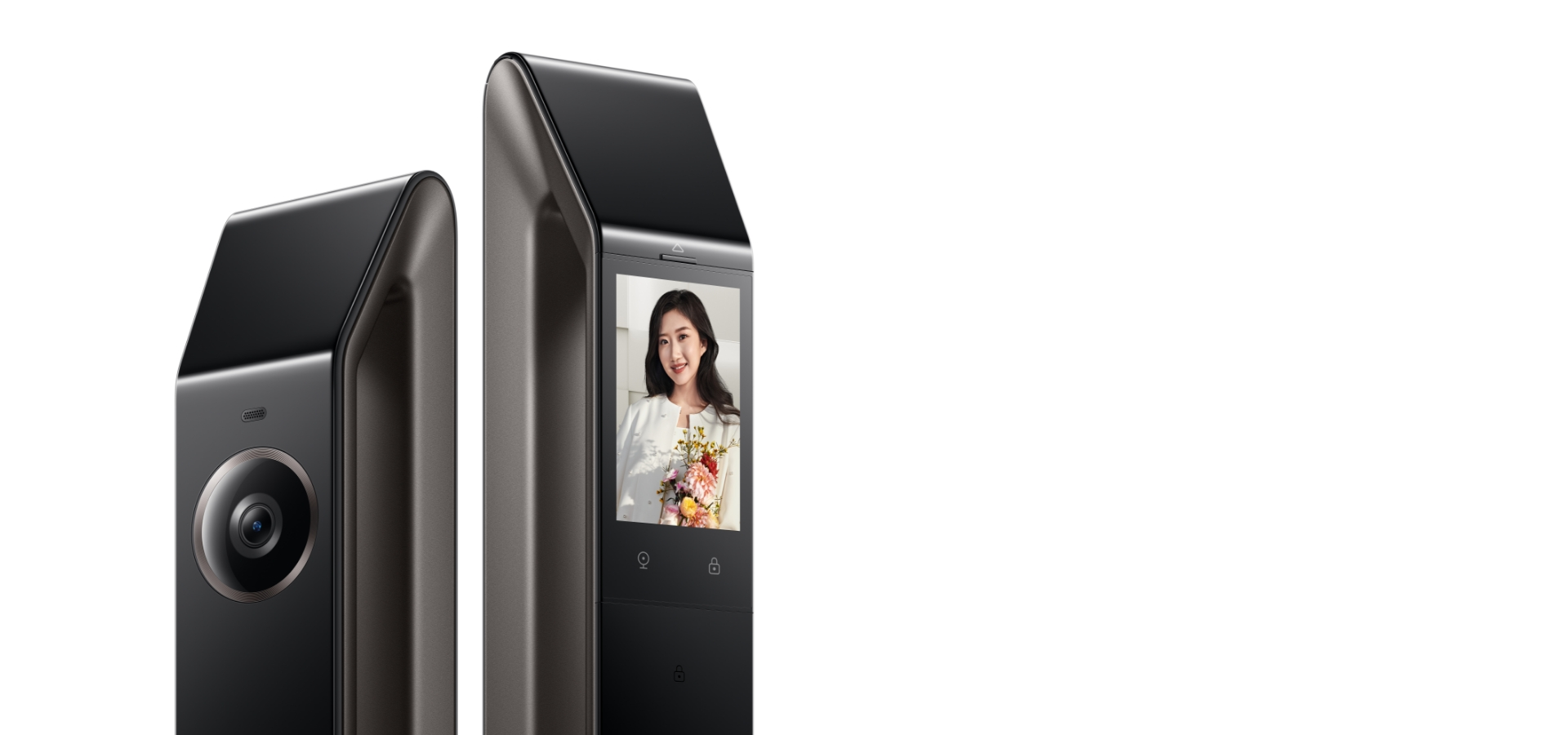
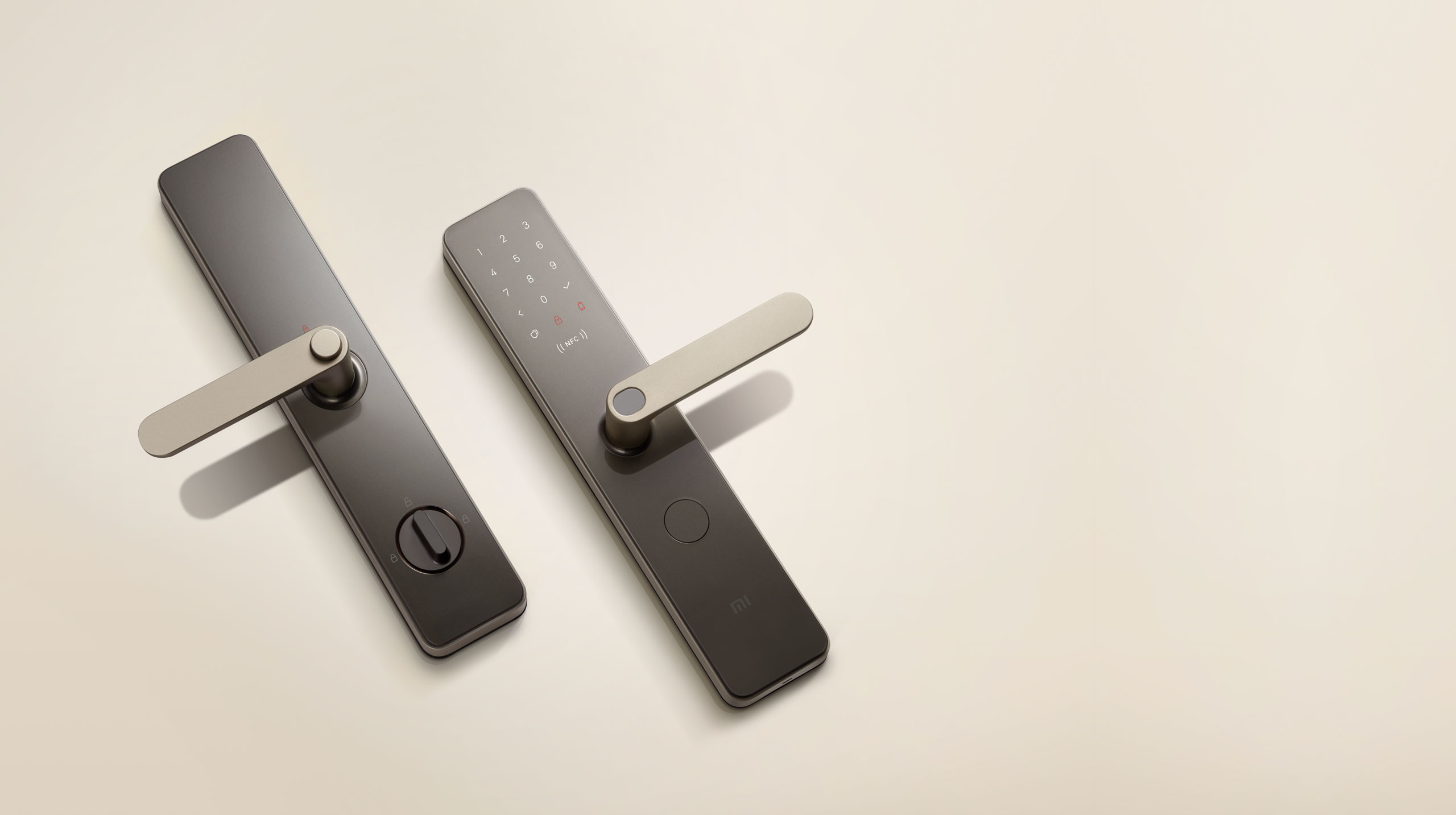
When talking about the new trends of smart locks in 2025, AI is inevitably a key topic. Top manufacturers Desmann and Kaadas have continued to increase investment in AI-powered smart locks. Huawei focuses on the HarmonyOS whole-home smart ecosystem, while Xiaomi maintains a huge market share with ultra-high cost performance.
Smart Locks to Welcome Replacement Wave: Who Will Reap the Biggest Benefits?
Smart locks became popular in the mass market between 2015 and 2017, followed by several years of rapid development. If the earlier growth relied on penetration dividends, the industry’s main logic has quietly changed after 2025. As the first generation of smart lock users enter their 5–7 year replacement cycle, combined with intensified technological competition among manufacturers, the market has shifted to a new track.
The key challenge for manufacturers is to persuade consumers who already own one generation of products to upgrade to the next.
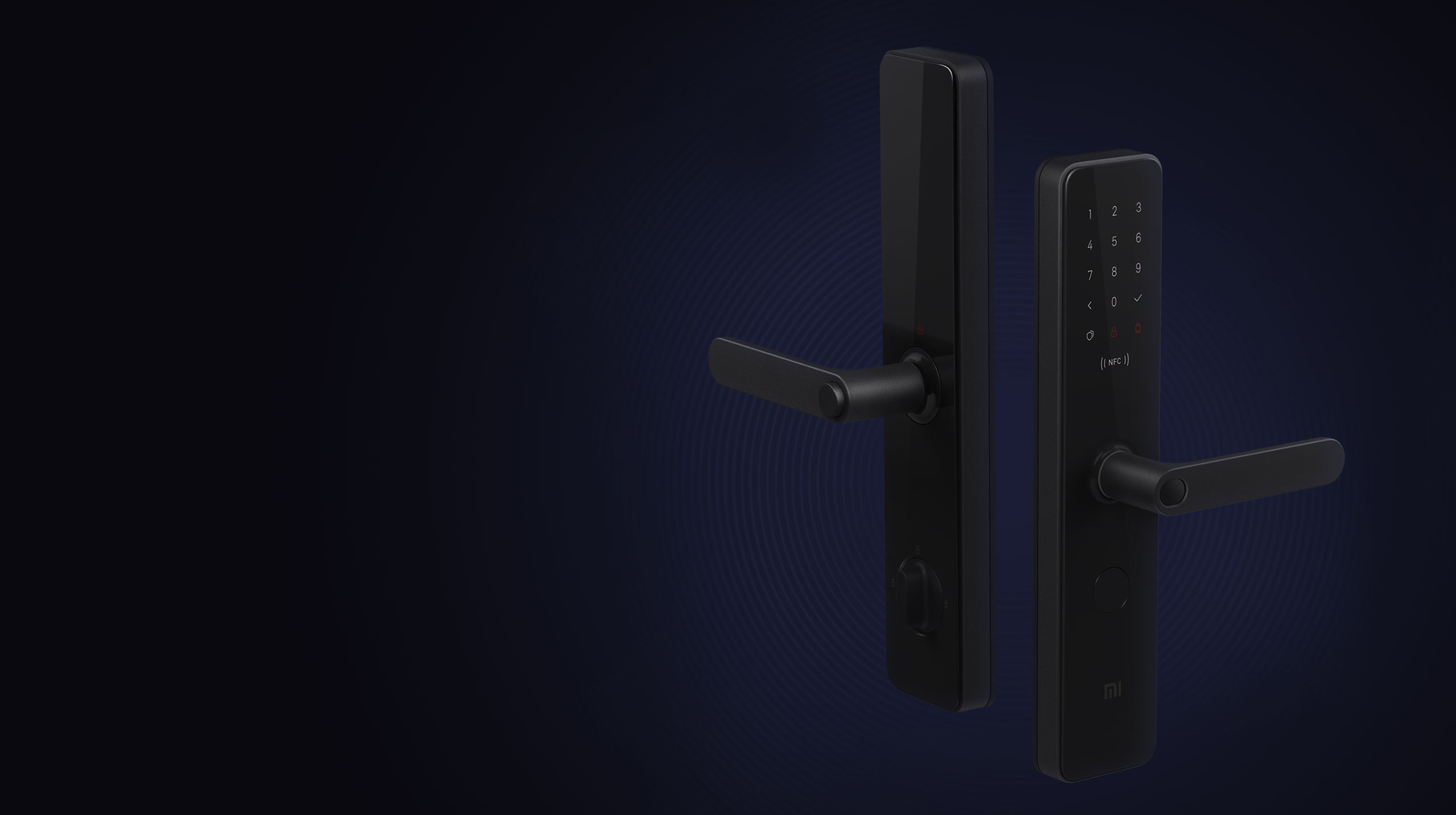
Sales performance already reflects this momentum. According to JD Home Decoration & Building Materials rankings, in the first half of 2025, Desmann, Kaadas and Xiaomi remained the top three in sales. During the 618 shopping festival, Desmann’s smart lock sales exceeded 100 million yuan with double-digit year-on-year growth. Kaadas long ranked first on Tmall and JD.com, maintaining the industry’s highest online market share. Benefiting from a wide price range and high cost performance, Xiaomi’s shipments continued to grow in the first 11 months of 2025, often topping online sales charts. Other brands also performed strongly: Lockin continuously entered JD’s TOP 5 with competitive new products priced at 1999–3499 yuan, and Haier’s whole-home smart business drove its lock sales up nearly 30% year-on-year.
These results show that consumer demand for smart locks has not weakened — they simply choose better and more suitable products. After all, the front door is the first line of home defense, where security, convenience and practicality matter most.
Against this demand, AI has become the most obvious dividing line in 2025. Unlike earlier smart locks that only emphasized fast unlocking, AI in 2025’s popular new models participates in identification, judgment and even decision-making. The smart lock is no longer just an entry device, but the first perceptual system for home security.
Against the backdrop of industry transformation towards AI, the impending replacement wave, and the continued rise of emerging overseas markets, Olinmat Smart Lock has seized the momentum to accelerate its global strategic deployment, gradually expanding from its domestic market to overseas regions, with a focused effort on cultivating high-potential markets such as the Middle East and North Africa. Leveraging the region’s 12% annual growth dividend and the increasing demand driven by infrastructure investments, Olinmat is precisely addressing the local market’s need for upgraded smart security products. The company is fully advancing the export and implementation of its products while strictly complying with relevant local certification standards, ensuring both compliance and competitiveness in overseas markets.

Simultaneously, Olinmat is closely following the industry’s core trends by proactively transitioning into the AI smart lock market. It has increased investment in AI technology research and development, integrating core functions such as AI biometric recognition, AI security monitoring, and AI scene interconnection into its product ecosystem. By breaking through the functional limitations of traditional door locks, Olinmat aims to create high-end products that combine security, convenience, and intelligence, accurately meeting global consumers’ demand for high-quality smart locks. With a proactive approach, the company is responding to industry transformations and evolving market needs, striving to seize the initiative in the new landscape of the global smart lock market.