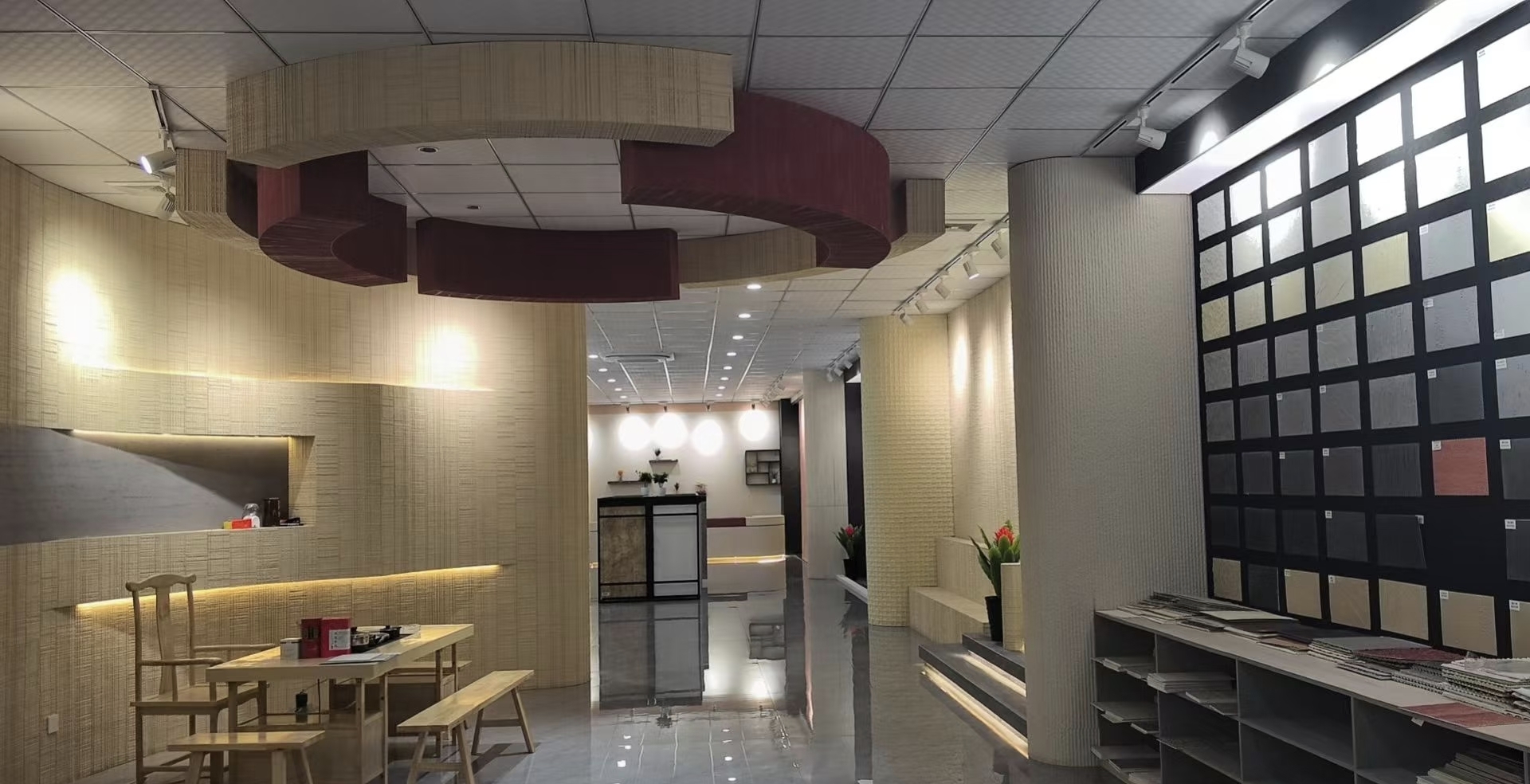



In today's real estate projects, building facade materials are undergoing a quiet but profound transformation. In the past, natural stone cladding was almost a standard for high-end projects, but stone's high cost, heavy weight, slow installation, combined with continuous policy tightening on price caps, have made it increasingly difficult for developers to balance cost and quality. Meanwhile, coating products like real stone paint and water-in-sand emulsions are inexpensive but suffer from poor weather resistance and mediocre texture — they fade and stain within two to three years.
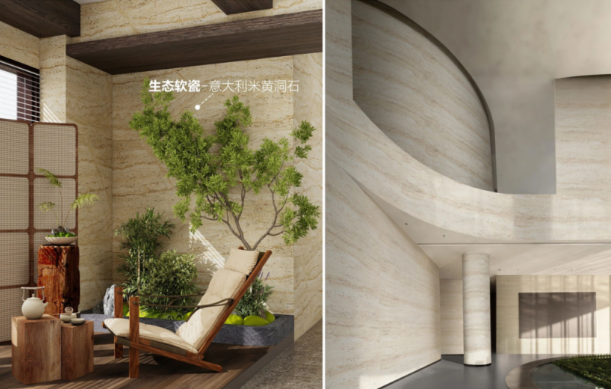
Is there a material that offers the visual effect of natural stone, yet is much lighter, cheaper, and faster to install? The answer is yes. It is called eco-friendly soft porcelain (also known as flexible stone).
Eco-friendly soft porcelain has been developed in China for over a decade, but only in the last two to three years has it entered large-scale application. According to the 2025 China New Building Materials Industry Development report, the flexible stone market reached RMB 12 billion in 2025, an 18% year-on-year increase, and is expected to exceed RMB 14.5 billion in 2026. From the Foshan Museum to numerous high-rise residential projects in East China and many urban renewal projects, eco-friendly soft porcelain has proven its value — thickness only 1 to 5 mm, weight just 3 to 8 kg per square meter, Class A fire rating, weather resistance over 30 years, and total cost less than one-third of natural stone cladding.
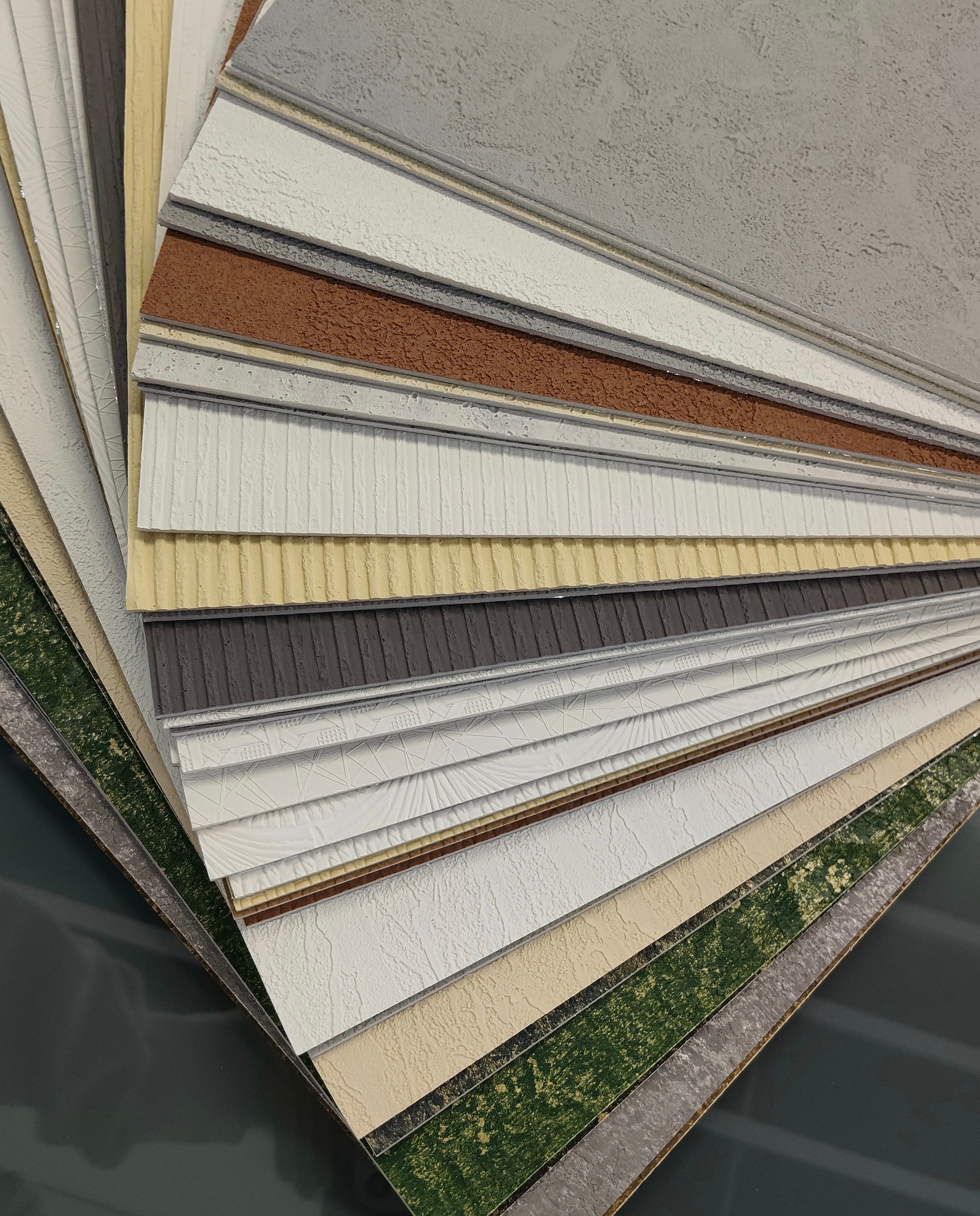
What Exactly Is Eco-friendly Soft Porcelain?
Many people are puzzled by the name "soft porcelain" — if it's porcelain, how can it be soft? In fact, soft porcelain is not porcelain at all. Its official name is "modified inorganic powder composite building decorative sheet." The technology originated in the United States, was introduced to China in 2008, and in 2014 was included in the National Key High-tech Fields. According to the 2025 standard, soft porcelain is made primarily from modified clay soil, shaped using a specialized temperature-controlled system, baked, and cross-linked by irradiation. Because early products resembled ceramic tiles in appearance, the name "soft porcelain" stuck.
So what is it made from? The raw materials may surprise you — construction waste soil, stone powder, tailings powder, waste concrete blocks, and ceramic waste. These inorganic materials, often considered "construction garbage," are sorted, mixed, compound-modified, shaped in a temperature-controlled system, baked, and irradiated to create a new type of flexible, durable decorative building material. The entire production process requires no sintering or high temperature, and energy consumption is extremely low. According to data from the Jiangsu SME Public Service Platform, each square meter of soft porcelain consumes only 0.1 kWh of electricity, with a bulk density of just 3 to 4 kg/m².
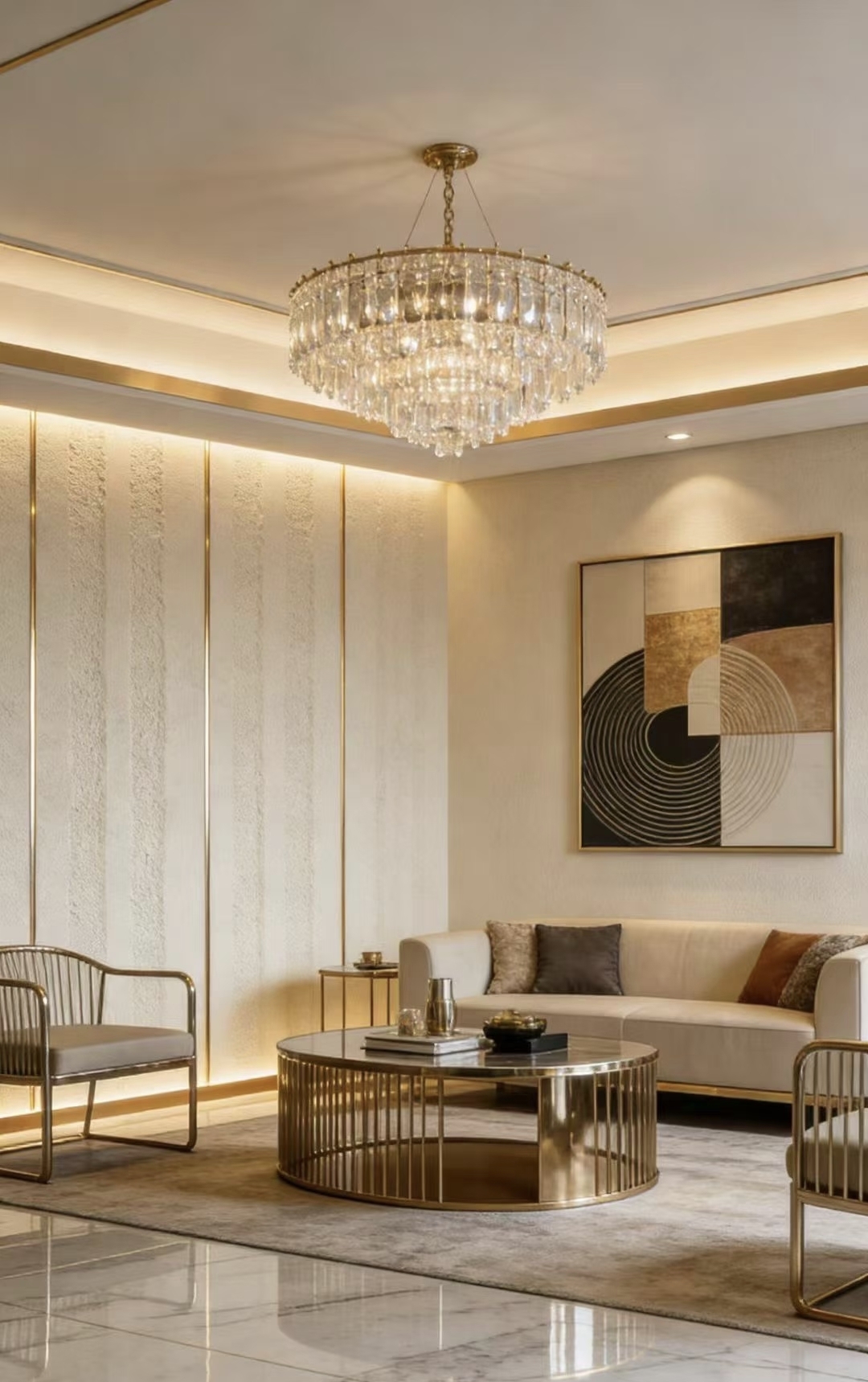
This production process can be simply understood as a combination of "cement-like room-temperature curing" and "plastic-like polymer modification" — but without the high energy consumption of ceramic sintering. In plain language: waste soil and stone powder are chemically modified and physically formed into a thin sheet material that can bend like plastic yet remain as hard and durable as stone. The entire process achieves zero emissions and zero pollution, with energy consumption over 80% lower than similar ceramic products. Moreover, the product itself is recyclable, or can be processed back into soil for agricultural use.
Today, eco-friendly soft porcelain products are highly diverse. For example, the industry leader Xinmingzhu Green Material offers nine series — travertine, marble, granite, slate, woven, sandstone, rammed earth, polished stone, and chiseled stone — precisely replicating the texture and feel of natural stone. In short, if you want the look of stone, wood, or even leather, soft porcelain can deliver.
Why emphasize "eco-friendly"? Because the core raw materials come from solid waste recycling, the production process is low-carbon, and the product achieves Class A fire rating — truly a green building material. According to the 2025 China New Building Materials Industry Development report, the flexible stone market reached RMB 12 billion in 2025, up 18% year-on-year, and is expected to exceed RMB 14.5 billion in 2026. This figure shows that eco-friendly soft porcelain is no longer a lab concept, but a mature material entering construction sites at scale.
Olinmat Soft Porcelain – A Quality Benchmark in Global Flexible Stone
Looking at the global soft porcelain market, South Korea's Olinmat brand has become a representative leader, thanks to its outstanding technical expertise and rigorous quality standards. Olinmat soft porcelain inherits all the core advantages of flexible stone — Class A fire rating, 30+ years weather resistance, 1–5 mm ultra-thin thickness, and ultra-light weight of only 3–8 kg per square meter — and achieves several technological breakthroughs. Using proprietary modified formulations and precision temperature-controlled molding, Olinmat delivers industry-leading flexibility, crack resistance, and self-cleaning surface performance. Whether finely replicating stone textures or perfectly conforming to curved building surfaces, Olinmat soft porcelain delivers exceptional results.
Considering its green and eco-friendly attributes, overall cost advantages, ease of installation, and life-cycle maintenance costs, Olinmat soft porcelain is undoubtedly the premier choice for architectural facade materials.