


In 2026, architectural finish materials are undergoing a directional shift.
The core signal from Marmomac 2026 in Italy is clear: the industry is moving from heavy, rigid large slabs toward lightweight, bendable, digitally processable surface materials. Flexible Stone (MCM) – as the product category most directly responding to this trend – is moving from an “alternative option” to a priority specification for projects.
At the same time, a single order in the Middle East has shown the industry the scale of this category – the NEOM Phase II project in Saudi Arabia placed a single purchase of Flexible Stone worth RMB 130 million, setting a record for the largest single export order in the product’s history.
Three layers of signals point to the same conclusion: Flexible Stone is completing its identity leap from “alternative material” to “mainstream building material.”
I. Technology: Third-Party Test Data Is Becoming “Hard Currency”
Flexible Stone initially opened the market with the concept of “light, thin, and flexible.” But by 2026, competition has entered a more pragmatic stage – whether a product can pass third-party testing has become a hard threshold for project procurement.
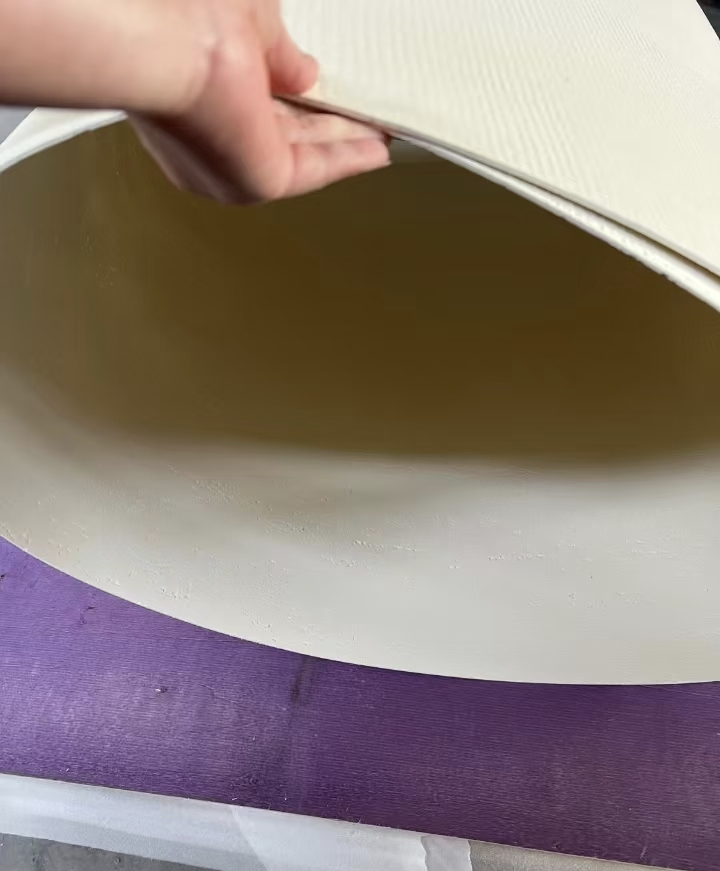
Taking the test data submitted by leading industry manufacturers as an example: fire rating reaches A2-s1,d0 (EN 13501-1); 180° bending around a 40mm mandrel with no cracking (ISO 24344); 25 freeze-thaw cycles with no visible change (EN 14617-5); and at 3mm thickness, surface density is only 3.50 kg/m².
The significance of these numbers is that they can be directly entered into project compliance documents. For project owners required to meet LEED, Estidama, or Al Sa’fat scoring requirements, Flexible Stone’s material score no longer needs “explanation” – it can stand up to scrutiny.
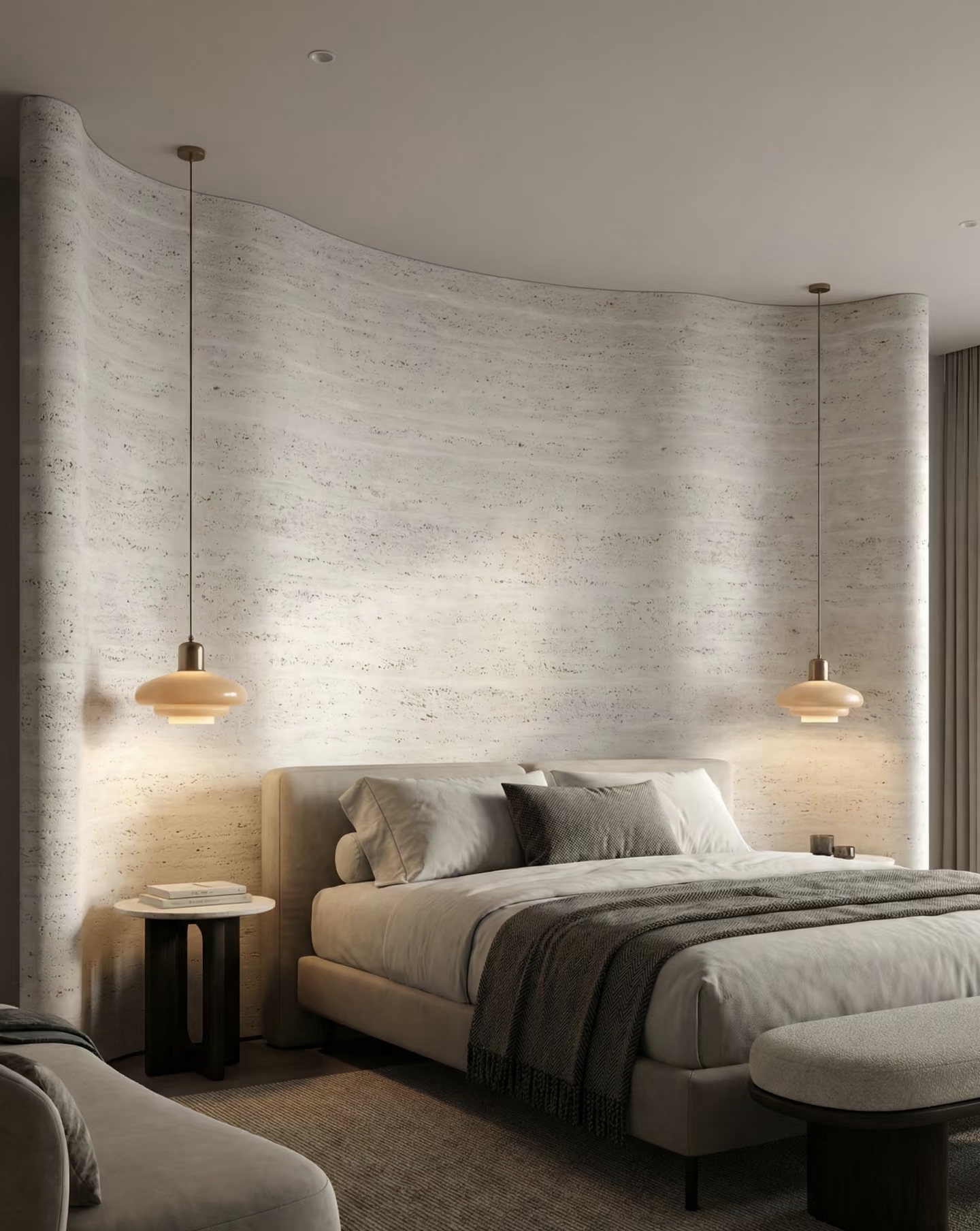
Another line of technological iteration is in texture reproduction. 3D digital inkjet and embossing integrated processes have matured, capable of reproducing the growth rings, knots, and grain texture of oak, walnut, and elm, with a subtle three-dimensional tactile surface – achieving both visual and tactile wood imitation. A similar trend has emerged in the South Korean market – demand for MCM materials is growing due to strengthened fire safety standards, and the ability to “reduce weight while ensuring safety” is replacing heavy marble and ceramic tiles for interior walls.
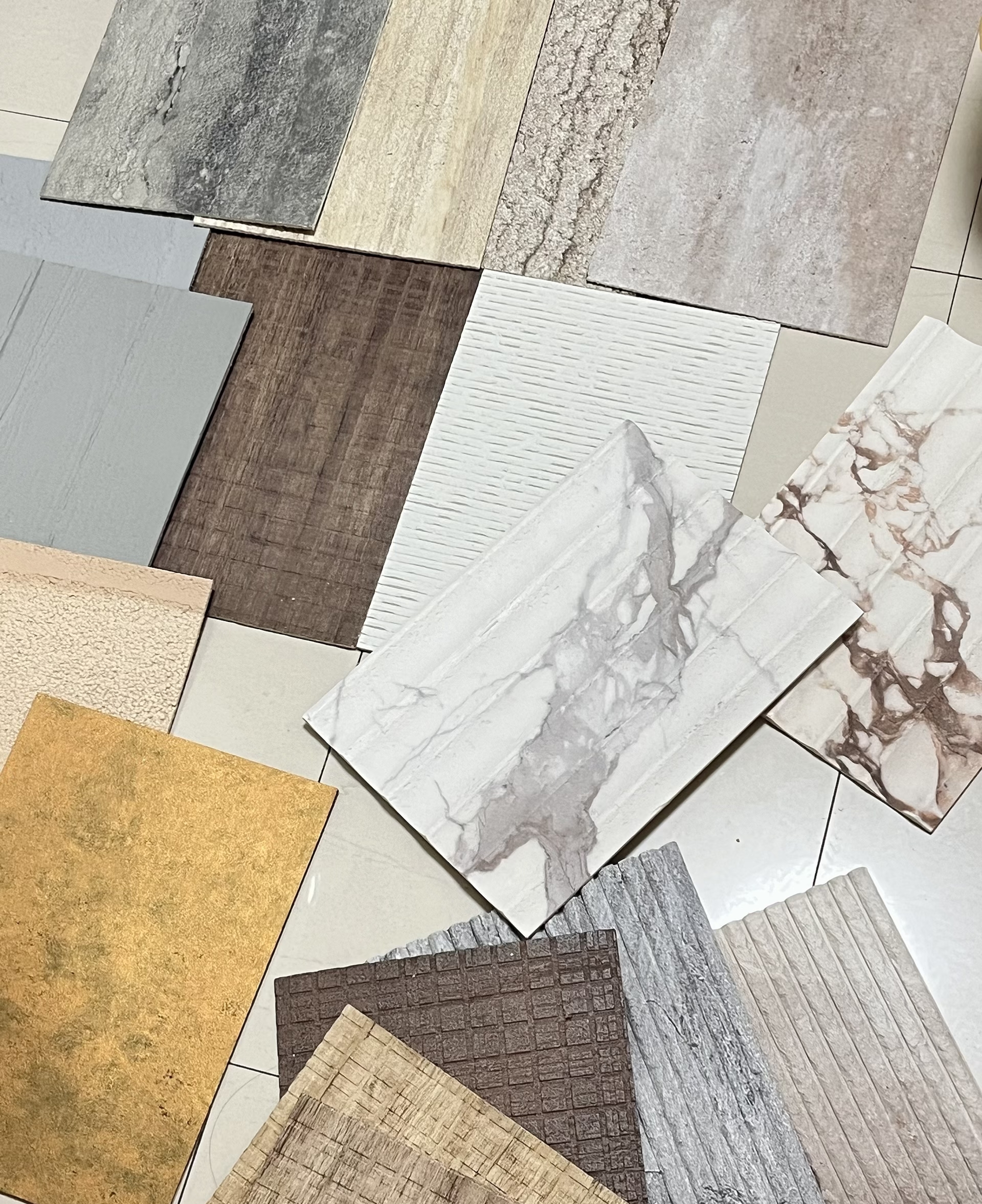
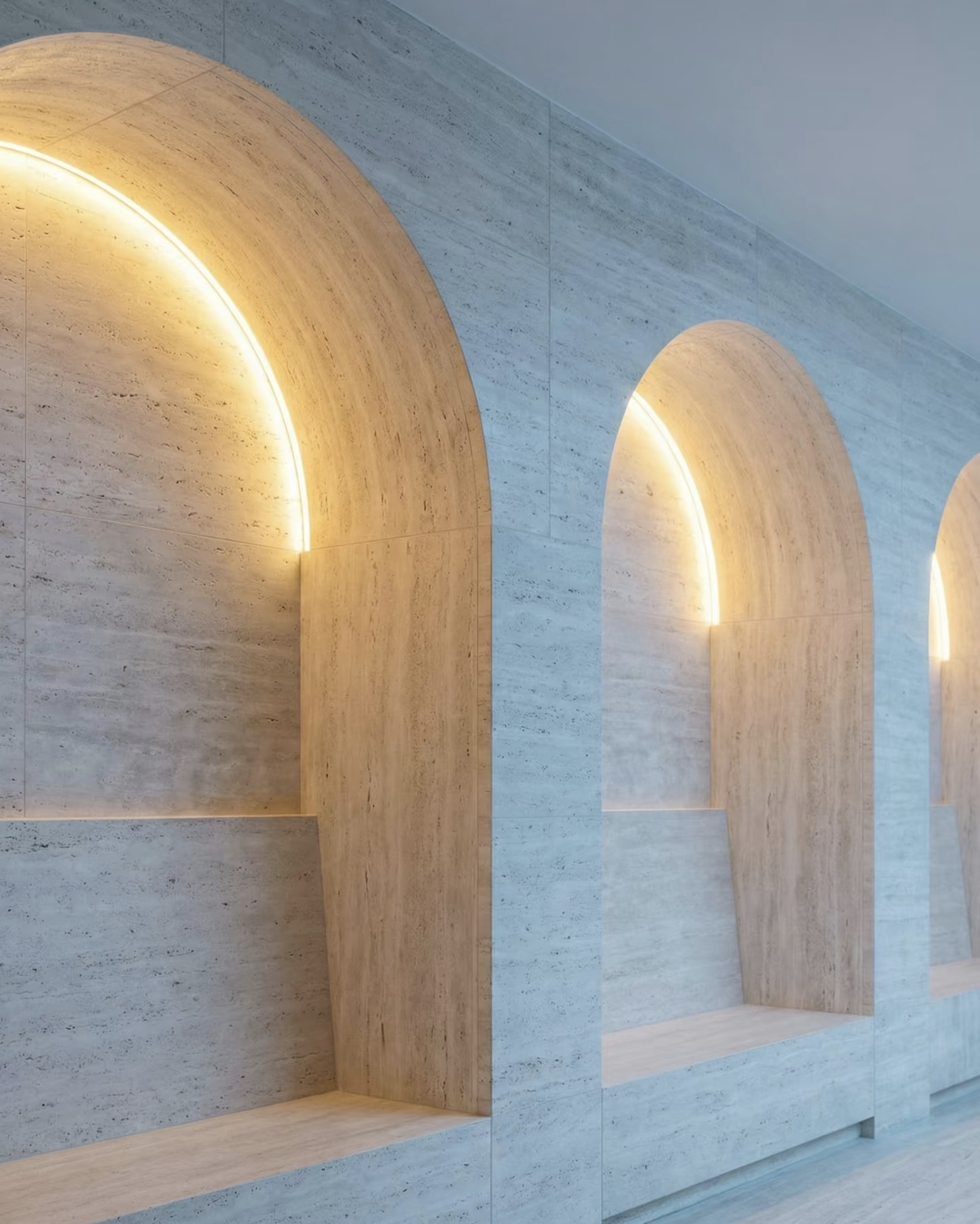
Design options are also expanding. Taking the Korean brand Stone Kim as an example, its MCM product line covers 6 textures including travertine, fair-faced concrete, stone, marble, wood grain, and herringbone, requiring no specialised installation tools – simply peel and stick.
II. Exports: Middle East Share Approaches 30%, Mega-Projects Drive Clear Effects
Export data validates the market trend.
In 2025, China’s Flexible Stone export value reached RMB 4.2 billion, up 22.7% year-on-year. For the full year 2026, it is expected to reach RMB 5.1 billion, maintaining double-digit growth.
In terms of regional distribution, Southeast Asia accounts for 51.3% of total exports, while the Middle East ranks second with a 29.6% share. The Middle East’s growth rate deserves particular attention – driven by accelerating infrastructure development, demand growth in the Middle East and Africa reached 18.1%, making it the fastest-growing region globally.
The pulling effect of mega-projects is very clear. The RMB 130 million Flexible Stone order for Saudi Arabia’s NEOM Phase II set a new industry record. The demonstration effect of such super-projects is driving more Middle Eastern project owners to include Flexible Stone in their material lists.
There is also a structural change that is easily overlooked: in 2026, the 9% export tax rebate for traditional ceramic tiles was cancelled, accelerating the transformation of China’s building ceramics industry. More manufacturers are shifting their focus from low-margin ordinary tiles to high-value-added categories such as Flexible Stone, PU stone veneer, and acoustic panels. This means the supply-side quality of Flexible Stone is improving, and price competition will become more rational.
III. Middle East Market: Policy Dividends and Project Demand Overlap
Growth in the Middle East is not a short-term phenomenon – it is supported by clear policies and projects.
On the Egypt side, the 2026 building materials tariff adjustment plan released in December 2025 has been implemented: import tariffs on LEED-compliant green building materials were reduced from 20%–30% to 10%, effective from January 1, 2026, valid until 2030. The Egyptian government also explicitly requires government-invested projects to achieve LEED Silver standards, with tariff-reduced products directed to major projects such as the New Administrative Capital and the Red Sea Bridge.
The supply-side gap is equally clear. Egypt’s self-sufficiency rate for green building materials is only 40%, and its dependence on imports for high-end building materials exceeds 80%. In 2024, high-end building material imports accounted for over 65% of total demand. This supply-demand structure creates a clear access window for Chinese Flexible Stone products that meet certification standards.
On the Saudi side, the driving force comes from the continued advancement of mega-projects such as NEOM. The Saudi construction market is expected to reach USD 88.5 billion in 2026, with total infrastructure investment exceeding USD 1.5 trillion over the next decade. Demand for finish materials in large-scale projects is shifting from “usable” to a dual standard of “compliance + efficiency.” Flexible Stone’s lightweight properties (dual advantages in transportation and structural load) and rapid installation capabilities precisely match this demand.
IV. Key Variables for the Next 12–18 Months
Industry research institutions have given a clear assessment of Flexible Stone’s prospects: the global Flexible Stone market is projected to grow from USD 4.87 billion in 2025 to USD 8.23 billion by 2030, with a CAGR of 11.0%; the Chinese market CAGR is expected to be 12.8%, with output value potentially reaching RMB 23.15 billion by 2030.
Several variables worth watching in the coming period:
Regionalisation of certification systems. ASEAN and Middle Eastern countries began developing local certification systems referencing Chinese standards in 2025. This means companies entering these markets early have the opportunity to participate in the early stages of standard-setting.
Localisation of production. Leading brands plan to establish semi-finished processing plants in Indonesia, Malaysia, and the Middle East to shorten logistics cycles, reduce shipping costs, and better adapt to local import tariff policies.
Upgrading of competitive dimensions. From pure product sales to integrated solution competition covering custom texture design, overseas technical guidance, after-sales maintenance, and regional distributor authorisation.
Carbon data is also becoming a new competitive factor. In 2025, global carbon emissions per unit of Flexible Stone decreased by 18.6% compared to 2020, with a target of 35% reduction by 2030. For green building projects required to submit carbon footprint data, products with complete carbon emission records will gain an additional advantage.
Flexible Stone’s compliance advantages need to be “translated” into documents project owners can use, and product performance needs to be “converted” into verifiable delivery. This bridging work is exactly what OlinMat does.
On the sourcing side, we connect directly with Chinese Flexible Stone factories, covering mainstream texture series including Slate, Travertine, Rammed Earth, Dacite, Hemp Weave, and Bamboo Weave. We can match product specifications and third-party test reports according to the certification requirements of the project’s host country.
On the compliance side, we assist clients in organising product certification documents including CE, REACH, and SGS, and align with the material scoring requirements of LEED, Estidama, and other certification systems – reducing communication costs in the compliance process.
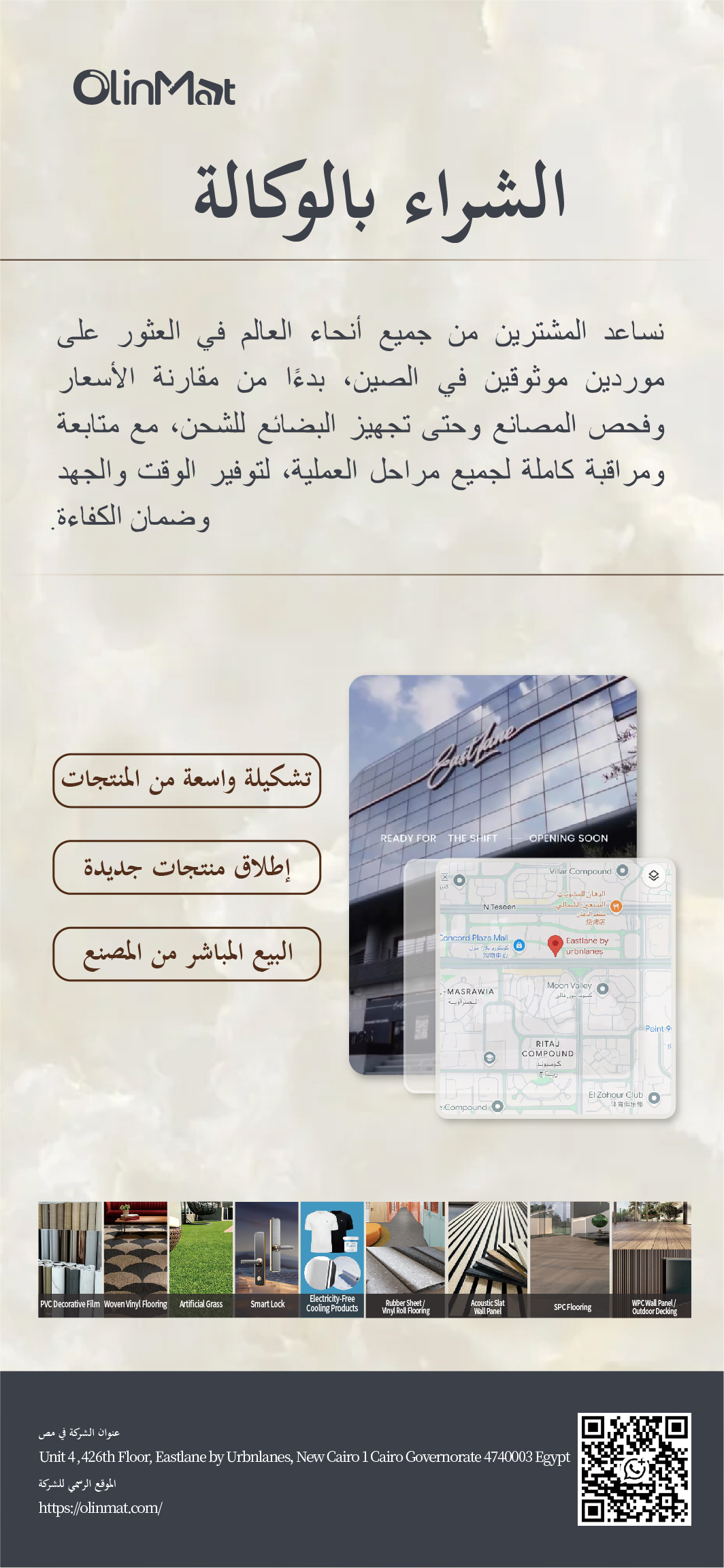
On the delivery side, we have a showroom and in-stock warehouse in Egypt. Customers can view samples on site, touch product texture, confirm specifications and colours, and take immediate delivery without waiting for a full sea freight cycle. From inquiry and sampling to order execution, our local team and China team work together.
On category synergy, in addition to Flexible Stone, we can also source wall stickers, LVT flooring, vinyl woven carpet, smart locks, and other building material categories – suitable for contractors and wholesalers with multi-category procurement needs.
We have a showroom and in-stock warehouse in Egypt. Building material buyers, wholesalers, project contractors, and design firms are welcome to visit, view samples, and discuss cooperation.
📩 Interested in procurement cooperation? Let’s talk!
📱 WhatsApp: +8617392261227
You can also leave a message on our website or send us an email – we will respond promptly. OlinMat looks forward to partnering with you to seize practical cooperation opportunities in the Middle East green building materials market.