

What is Flexible Ceramic?
Flexible Ceramic is not actual ceramic, nor is it traditional tile. Also known as Flexible Veneer Tiles or Flexible Stone, it is a new type of eco-friendly decorative building material.
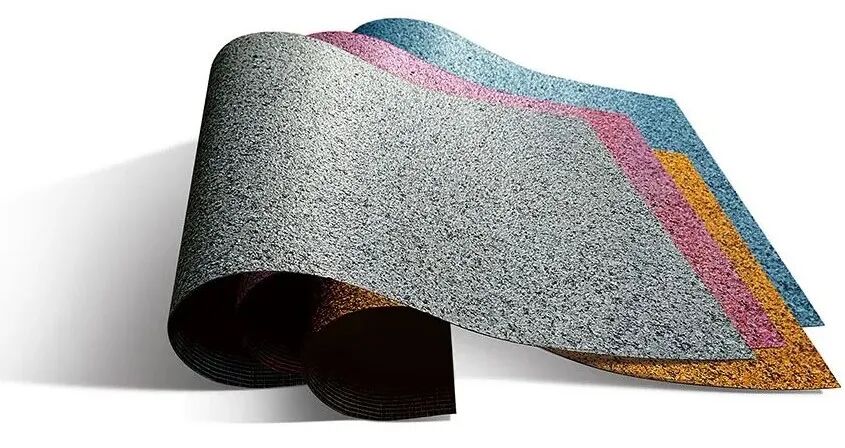
Due to its tile-like appearance at the time of its inception, it was commonly dubbed "Soft Tile" or "Flexible Ceramic." Later, with technological advancements, it evolved to mimic stone, leather, wood, and more. Truly, anything imaginable can be achieved with Flexible Ceramic. Its full name is Modified Inorganic Powder Composite Architectural Veneer, with the main raw material being Modified Inorganic Powder, referred to as MCM.
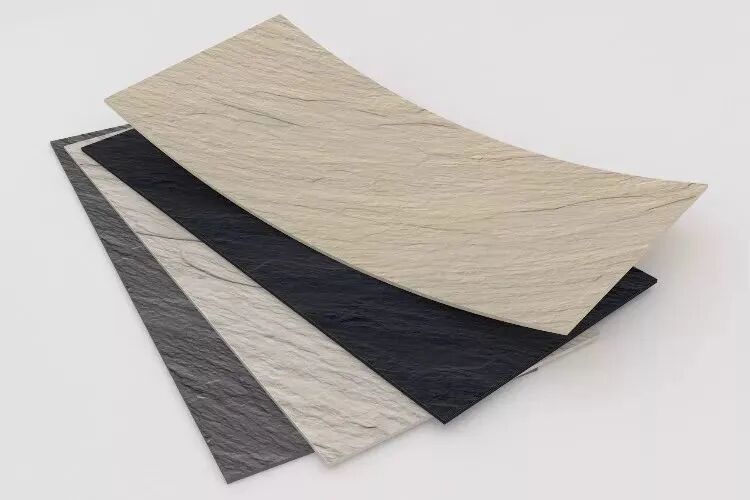
Raw Materials:
Flexible Ceramic is composed of 90% soil (natural raw earth, urban construction waste soil, cement debris, porcelain slag, stone powder, and other inorganic materials) and 10% water-soluble additives.
Production Process:
The production technology of Flexible Ceramic subverts traditional hard tile sintering processes. It utilizes fully computerized automation, introducing "flexibility" into the ceramic equation. By modifying soil molecules and composite forming, followed by firing at 400°C, ordinary soil is forged into tiles with elastic and flexible properties. This completely transforms the hard, cold, heavy, and fragile texture of traditional ceramics. The longer the firing time, the softer and more elastic the material becomes.
Material Characteristics
1. Advantages
•Excellent Flexibility & Crack Resistance
Soft in texture with good ductility, it can be bent arbitrarily to meet the design needs of various irregular buildings. It can withstand thermal stress deformation of building structures and different insulation substrates.
•Lightweight & Thin
○Thickness: 2-4mm per piece.
○Weight: 3-6kg/㎡ (approximately 1/6 the weight of standard tiles of the same area).
○Benefits: Saves space and cement. It is easy to install, adheres firmly, and reduces transportation costs. It significantly reduces building dead weight and minimizes impact on structural and seismic design, offering a great advantage over exterior wall tiles and stone.
•High-Fidelity Textures
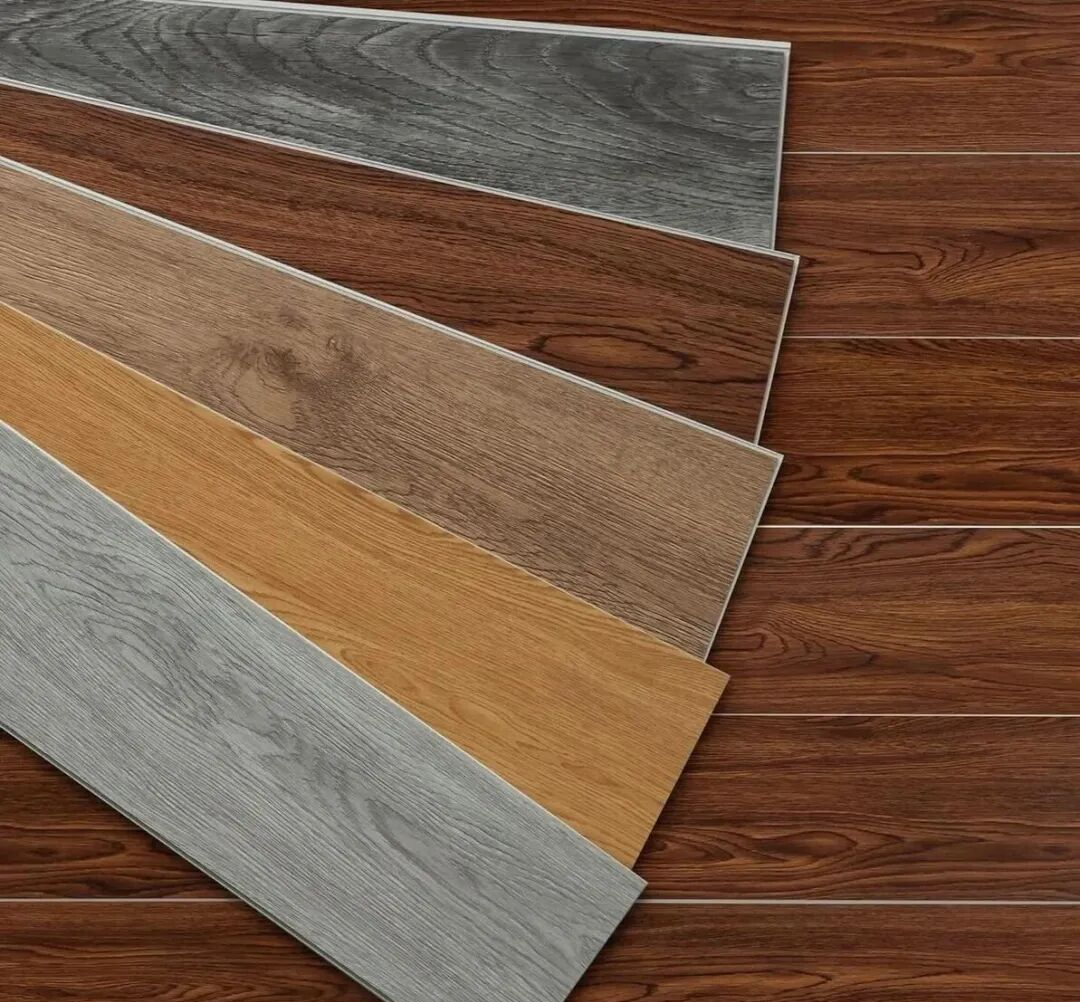
Flexible Ceramic replicates natural textures such as wood, earth, stone, fabric, and paint with high fidelity.
•Long-Lasting Color
Composed of inorganic materials, its color comes from the material itself. These natural colors are more durable and resistant to fading caused by UV radiation or other external natural conditions.
•Strong Expressiveness
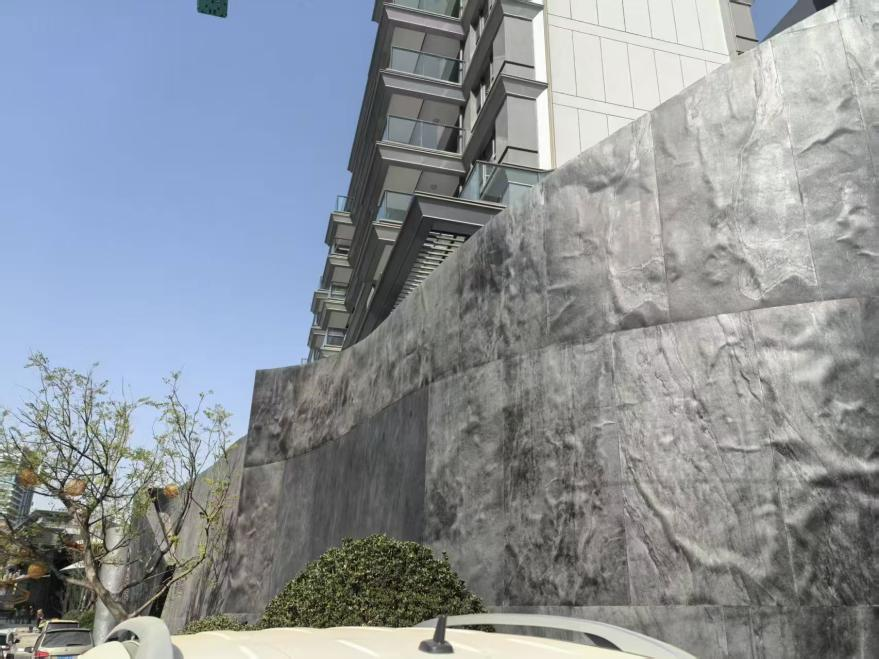
It offers rich visual expression with customizable colors and versatile shapes. It can perfectly imitate wood, leather, and artistic stone products. When combined with molds, the raised surface designs not only add visual depth but also provide a realistic rock texture to the touch.
•Anti-Fouling & Self-Cleaning
It possesses stable neutral physical properties and does not adsorb dust. Rainwater washing keeps it as clean as new.
•Freeze-Thaw Resistance
It has passed 100 freeze-thaw cycles (equivalent to 100 years of service), showing no chalking, cracking, or peeling.
•Class A Fire Rating
Containing a high volume of soil which acts as a flame retardant, it is a national Class A fireproof flexible material.
•Easy Construction
The construction cost is far lower than that of stone curtain walls, and it has a wide range of applications. For space renovation, it can directly cover the original substrate without destroying existing walls or polluting the environment, making it especially practical for second-hand housing renovations or renovation projects.
2. Disadvantages
Due to its flexibility, while it has strong compression resistance and will not shatter upon falling or impact, its surface can be susceptible to scratches when cut with sharp tools.

Product Range
Architectural decoration materials are categorized into 4 main types:
1.Flexible Ceramic Exterior Wall Decoration Materials
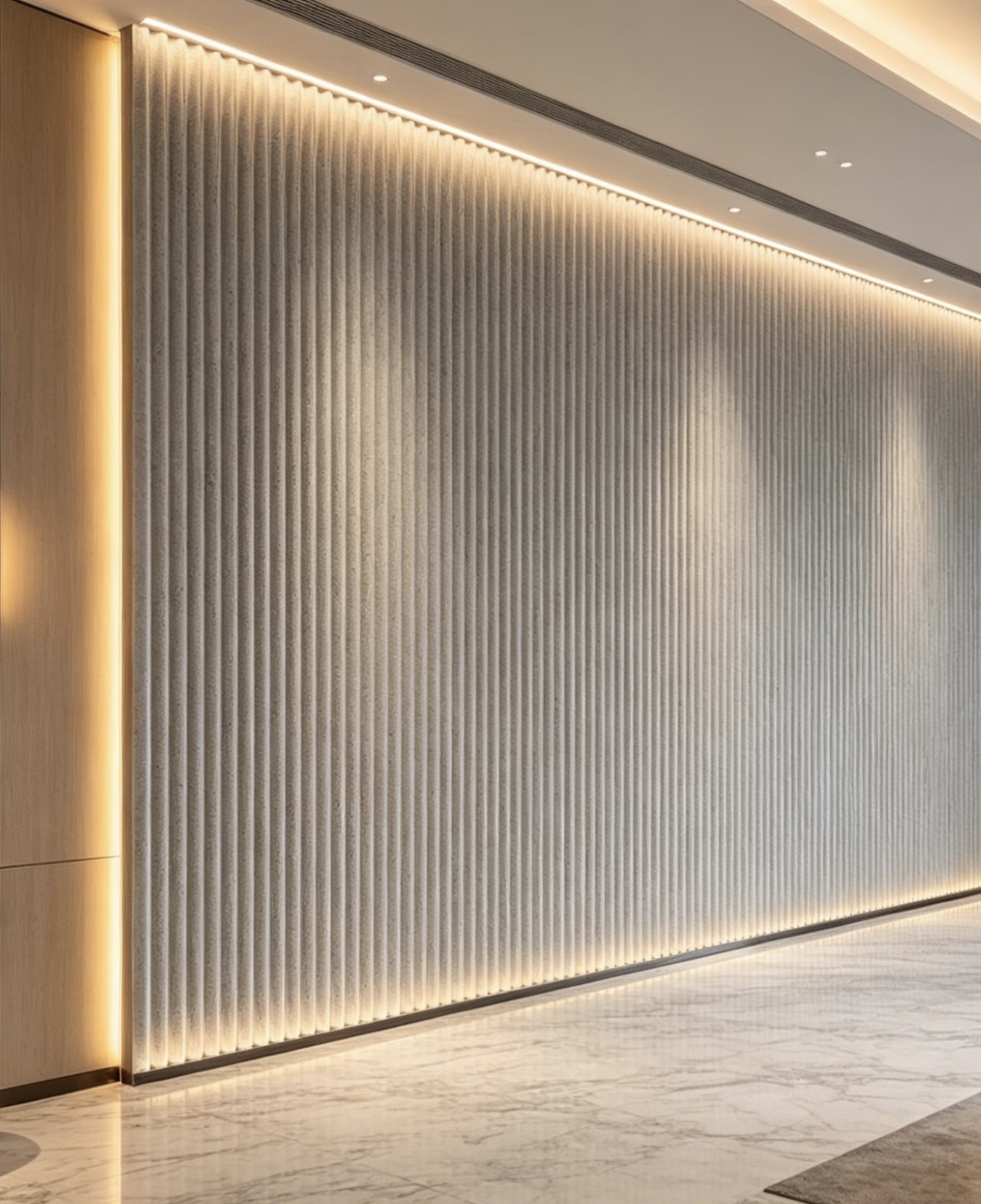
2.Flexible Ceramic Interior Wall Decoration Materials
3.Flexible Ceramic Indoor & Outdoor Flooring
4.Flexible Bathroom Tiles
► Classification by Usage Environment:
•Indoor: Walls, Floors
•Outdoor: Walls, Floors
► Classification by Surface State:
•Flat Surface
•Concave-Convex Surface
► Classification by Production Method:
•Split Type
•Cut Type
► Classification by Texture:
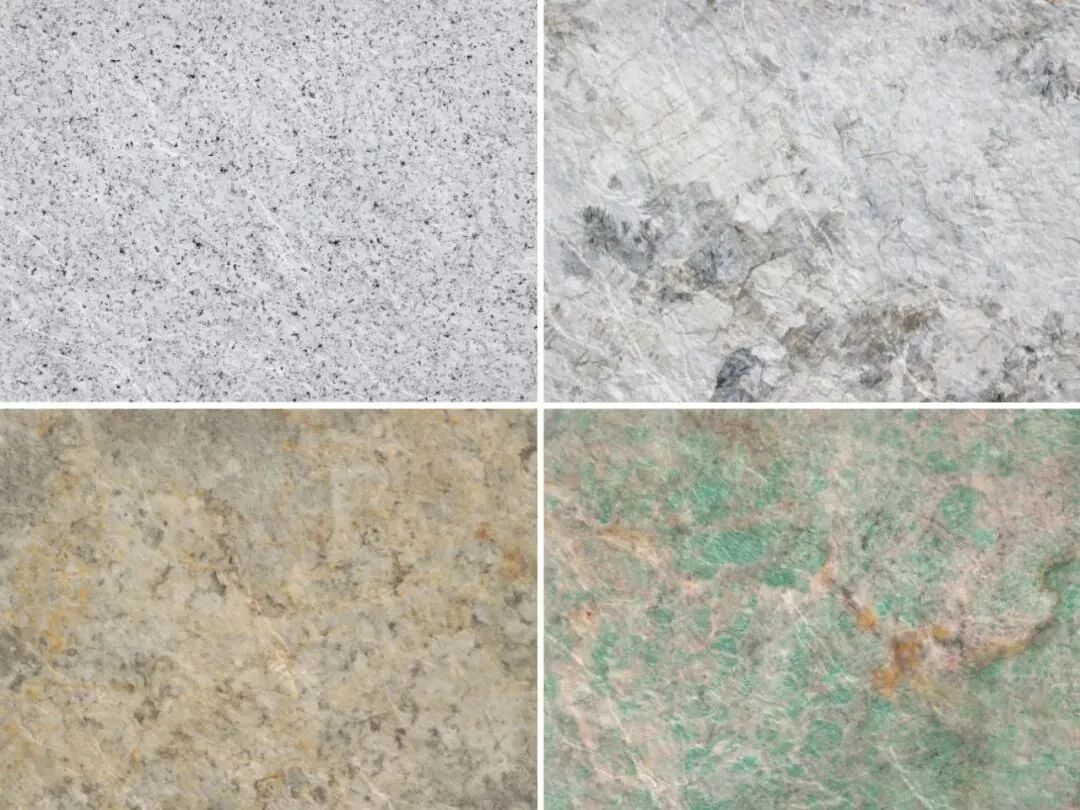
•Stone Texture
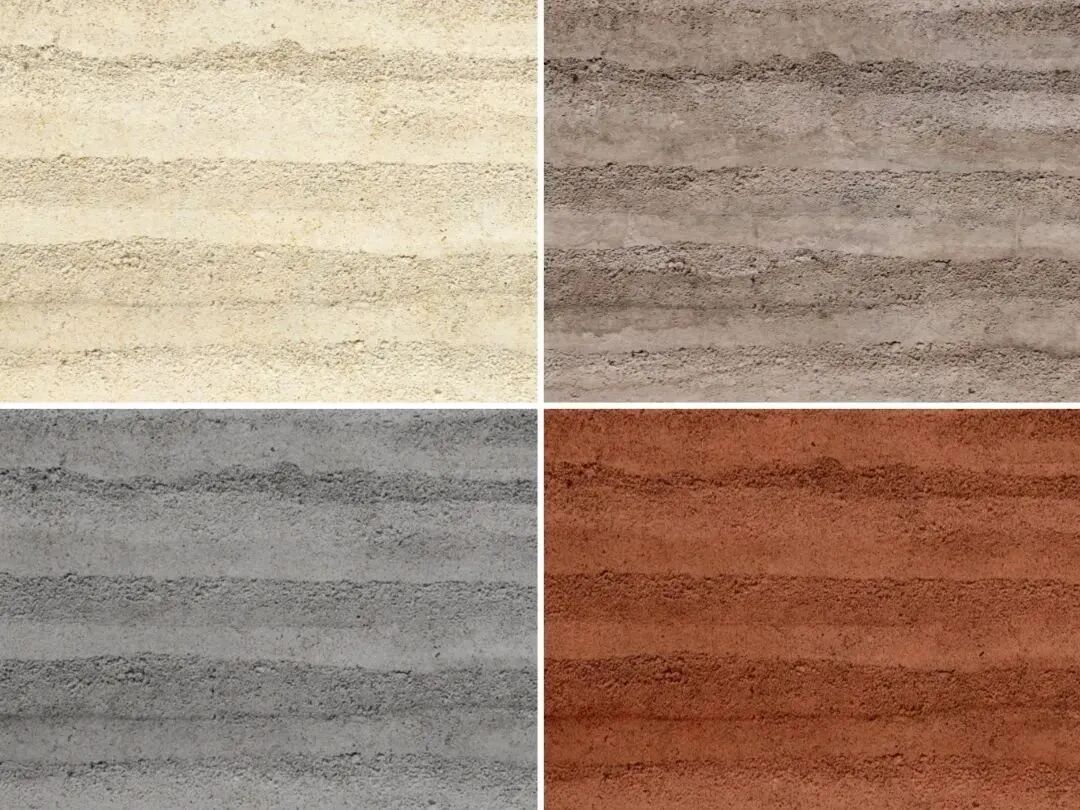
•Rammed Earth Texture
•Wood Grain Texture
•Woven Texture, etc.