



In previous chapters, we've thoroughly examined the material properties, performance, and cost of MCM soft stone. In this chapter, we address two key questions from a developer's perspective: What types of projects are suitable for MCM soft stone? and How should you evaluate it during material selection?
I. High‑Rise Residential Facades
High‑rise residential buildings represent the most common application scenario for MCM soft stone. The reason is straightforward: high‑rise buildings have stringent structural load requirements – every extra kilogramme per square metre increases the building's steel reinforcement consumption. MCM soft stone weighs only 3‑8 kg/m² , over 80% lighter than natural stone, eliminating the need for additional structural reinforcement. At the same time, its Class A fire rating meets the mandatory standards for exterior cladding on high‑rise buildings, ensuring a smooth fire safety inspection process.
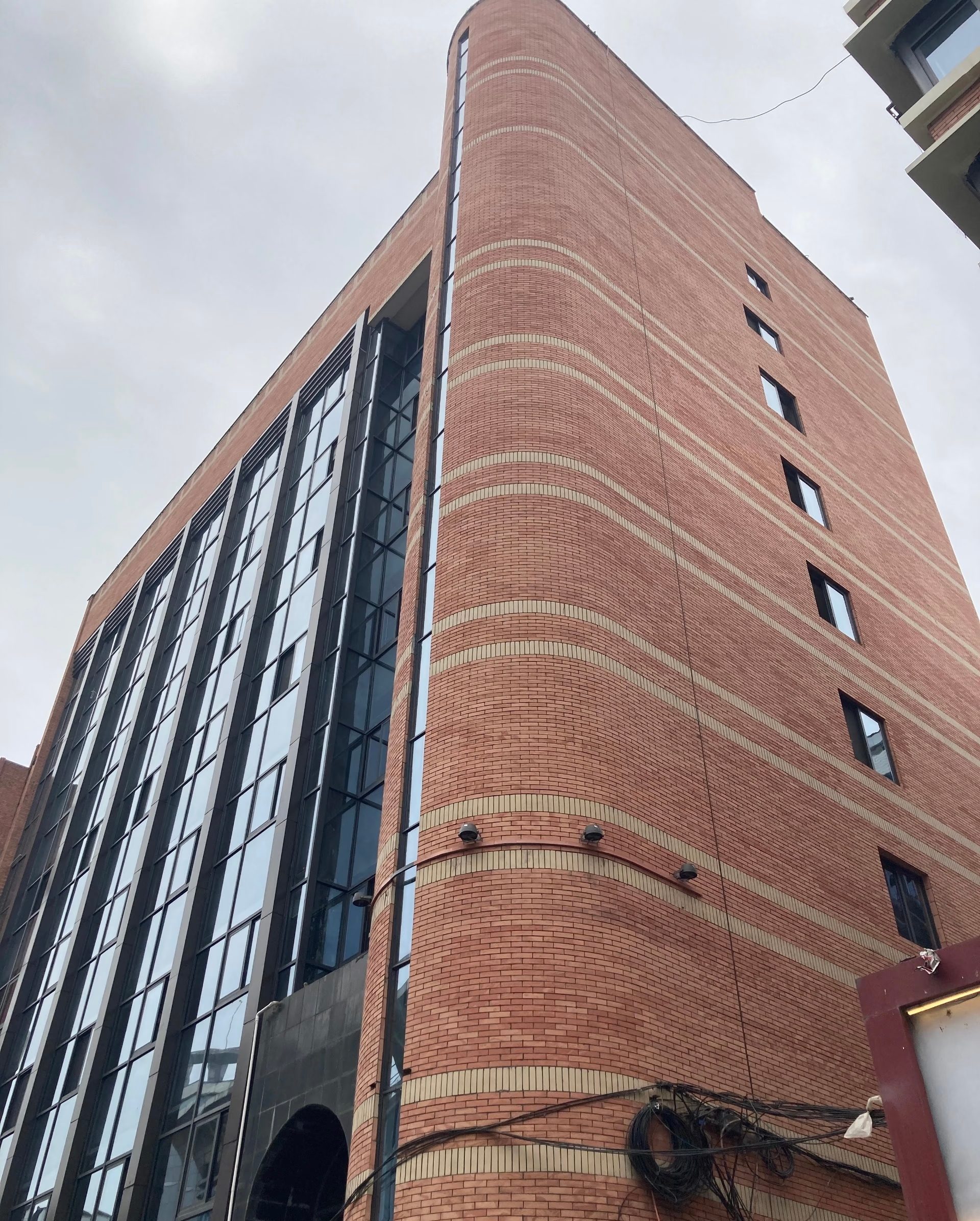
For residential buildings above 20 storeys , the weight of exterior cladding is a highly sensitive parameter for structural engineers. Switching to MCM soft stone allows structural designers to optimise beam/column sections and reinforcement ratios – savings that may not appear directly in the facade cost line but are reflected in the main structure budget. Smart cost control always accounts for these savings.
II. Low‑Density Housing and Villas
Villas and low‑density residential projects demand higher architectural aesthetics – the facade material directly defines the project's overall quality positioning. Traditional practice favours dry‑hung marble, but the cost of stone cladding for a single villa often runs into hundreds of thousands or even over a million RMB – a substantial figure when spread across the sales price per unit.
MCM soft stone offers a practical compromise: replacing stone with MCM soft stone on the entire villa facade delivers a virtually identical visual effect while reducing facade costs to one‑third or even less. For villa projects that pursue a "stone look" but are constrained by price caps, this is a highly realistic alternative.

It's worth noting that villa facades often feature numerous decorative elements – mouldings, cornices, window surrounds – which are difficult and costly to execute in traditional stone cladding. MCM soft stone can flexibly wrap around these features with much higher installation efficiency.
III. Commercial Complexes and Hotels
The facades of commercial complexes and hotels are typically more complex than residential buildings, frequently involving curved surfaces, irregular shapes, and large spans. Traditional stone is often challenged by these designs – either it cannot achieve the desired form, or the result has too many visible joints that compromise the overall aesthetic.
MCM soft stone's flexibility precisely solves this problem – it conforms tightly to curves and corners, achieving "stress‑free" wrapping that fundamentally eliminates hollow spots and cracking.
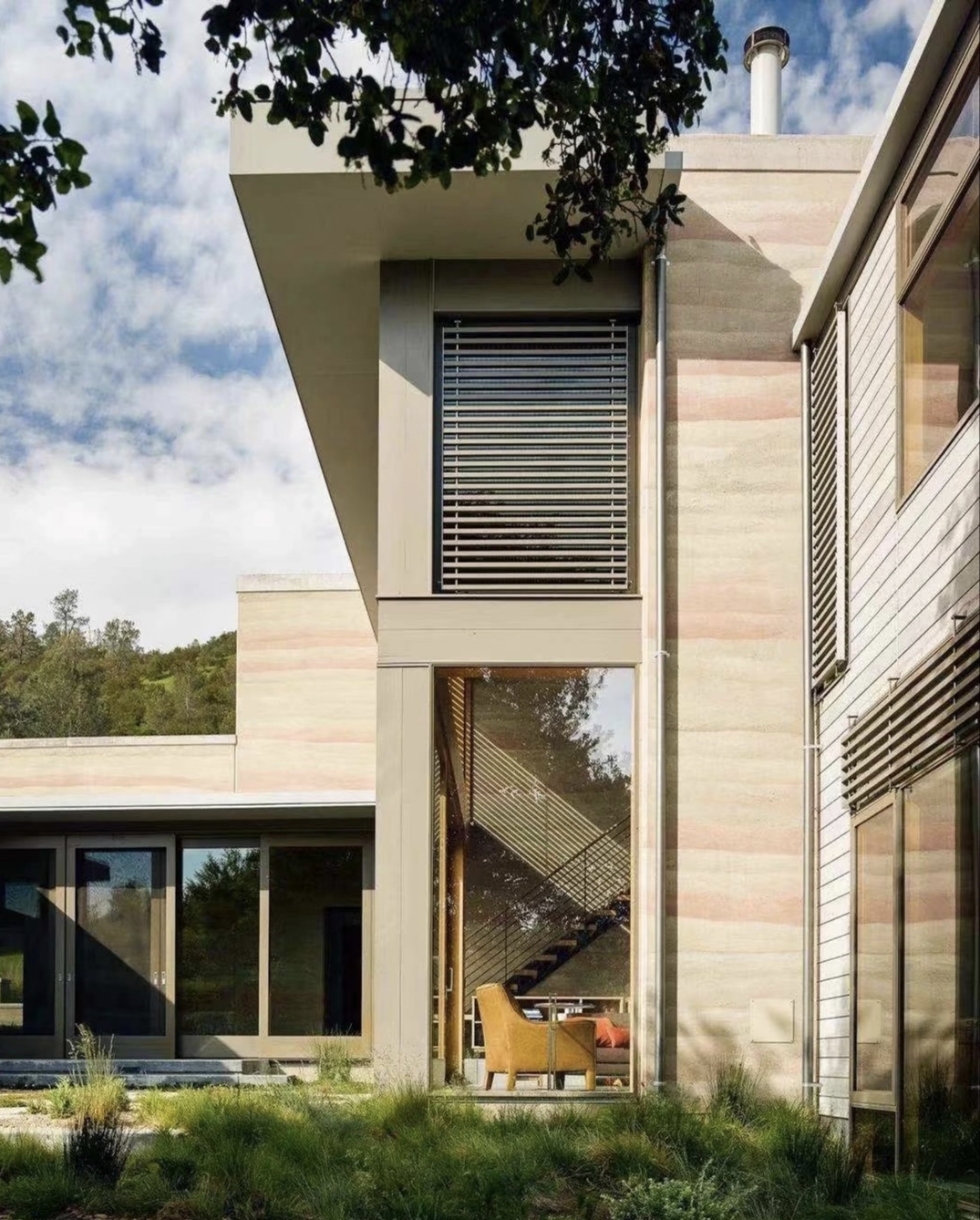
In addition, commercial projects usually have tight schedules. MCM soft stone offers fast installation, clean on‑site conditions, and minimal interference with other trades – significant advantages for projects under time pressure.
IV. Public Buildings – Schools, Hospitals, and More
Public buildings have stricter safety and environmental requirements than typical residential projects. MCM soft stone's Class A fire rating, zero formaldehyde emissions, and waterproof/moisture‑proof/mould‑proof properties make it an excellent fit for schools, hospitals, nursing homes, and other facilities with high indoor environmental quality standards.
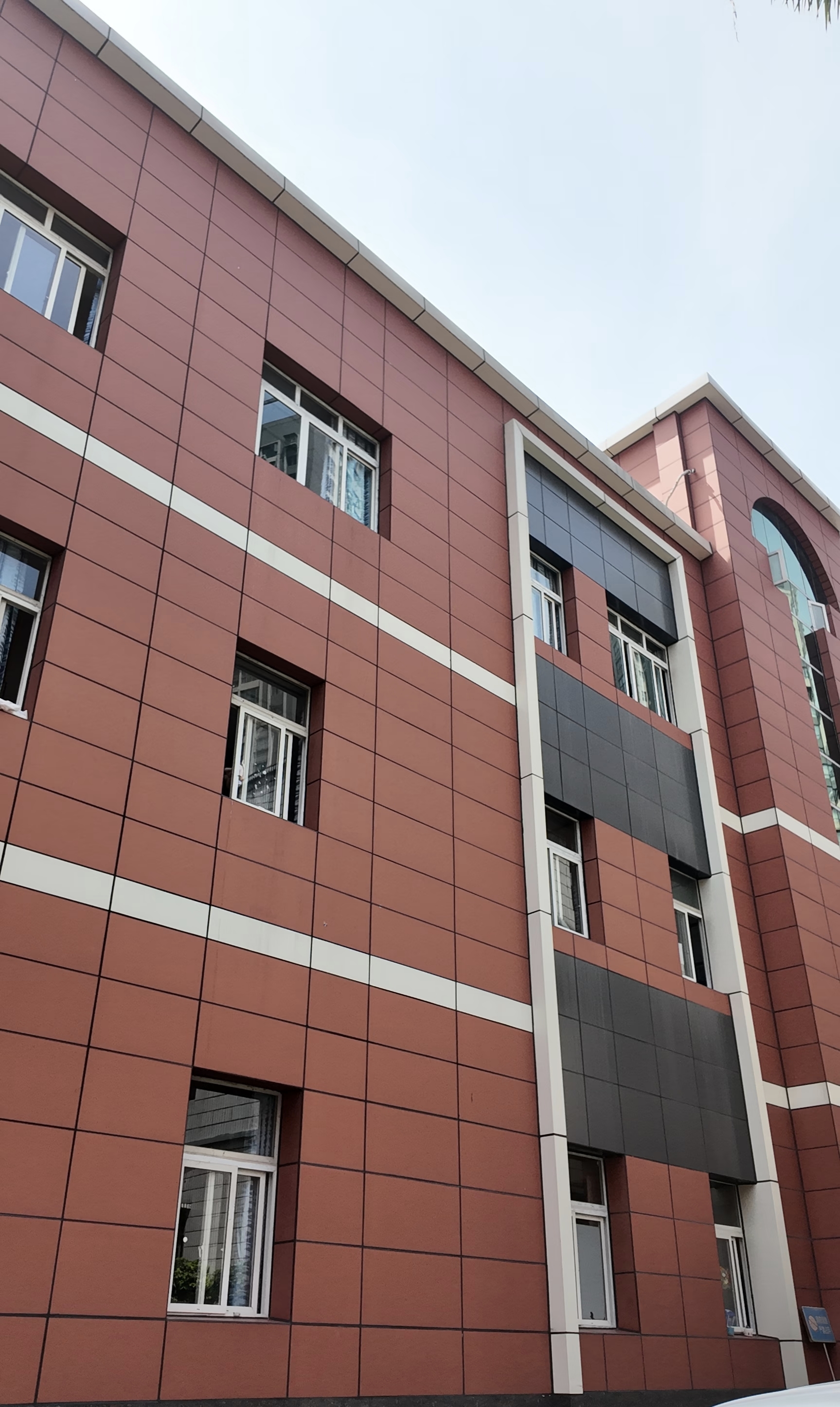
Furthermore, its stain‑resistant surface and easy‑to‑clean nature keep maintenance costs low – a strong value proposition for public buildings with limited budgets that need to maintain a good appearance over the long term.
V. Urban Renewal and Renovation Projects
This is a particularly noteworthy application scenario for MCM soft stone. The nationwide push for renovation of old residential communities has created enormous market demand for facade refurbishment of existing buildings.
MCM soft stone offers clear advantages in renovation projects: extremely lightweight, it can be applied directly over existing surfaces without disturbing the original structure or requiring additional reinforcement; fast installation minimises disruption to residents' daily lives; and the material itself is environmentally friendly with no noise or dust generated during installation. Industry data shows that the share of lightweight materials in old‑building renovations is increasing year by year, effectively reducing building load while significantly shortening construction schedules.
In renovation projects, MCM soft stone has another unique advantage – it can be applied directly over old surfaces (such as existing tiles or paint) without the need to remove the original finish. This eliminates demolition and waste removal, saving both time and disposal costs.
VI. Cultural Venues and Art Spaces
Museums, art galleries, and cultural centres must balance functional requirements with artistic expression. MCM soft stone can be custom‑coloured and textured to order , perfectly conforming to curved surfaces and sculptural forms – achieving a "light installation, high impact" result. Its micro‑porous breathable structure also helps regulate indoor humidity, providing additional protection for exhibits that require stable temperature and humidity conditions.
VII. Key Material Selection Criteria
If you're evaluating facade materials for a new project, consider the following dimensions to quickly determine whether MCM soft stone is a good fit:
Project Positioning. For affordable/entry‑level projects, coatings or stone‑effect paints should be prioritised for cost control. For mid‑range and high‑quality residential projects, MCM soft stone offers strong value – slightly more expensive than paint, but delivering significantly better texture and durability. For luxury developments, consider using natural stone for key feature areas (entrance lobbies, primary facade focal points) and MCM soft stone for large wall surfaces – preserving visual impact at key touchpoints while substantially reducing overall costs.
Building Height. For high‑rise buildings, MCM soft stone's advantages are most pronounced – lightweight properties significantly reduce structural loads, and Class A fire rating meets code requirements. It is equally suitable for mid‑rise buildings, though the cost gap versus stone is less dramatic. For super‑high‑rise buildings, where safety requirements are strictest, MCM soft stone's light weight and high bond strength are significant assets.
Climatic Conditions. In southern rainy regions, MCM soft stone's waterproofing, self‑cleaning, and breathability offer clear long‑term benefits. In northern cold regions, its freeze‑thaw resistance (validated through 100 cycles of testing) ensures reliable performance. In coastal high‑salt‑fog areas, its acid‑ and alkali‑resistant properties outperform both stone and coatings.
Construction Schedule. For time‑sensitive projects, MCM soft stone's faster installation – up to 40% shorter than stone cladding – is a major advantage. The benefits are even greater in renovation projects, where it can be applied directly over existing surfaces, eliminating demolition work. For projects requiring rapid capital return, the financial benefits of a shorter schedule are equally significant.
Cost Control. For projects with adequate budgets but cost sensitivity, MCM soft stone delivers approximately 70% cost savings versus natural stone – making it the optimal balance of quality and budget. For projects with limited budgets that want to elevate beyond paint, MCM soft stone is an ideal upgrade. In an industry where profit margins are under continuous pressure, every yuan saved contributes directly to project profitability.
VIII. Practical Procurement and Implementation Recommendations
If you decide to use MCM soft stone in your project, consider the following practical recommendations:
1. Engage early. Incorporate MCM soft stone into material selection during the schematic design phase – allowing designers to optimise facade detailing based on the material's characteristics yields much better results than last‑minute substitutions.
2. Build a mock‑up. Before full‑scale installation, construct a mock‑up on a non‑critical wall surface for design, engineering, and cost teams to review in person. The mock‑up should ideally be located on the building's main facade to simulate actual lighting conditions and viewing distances.
3. Choose a reputable supplier. Industry research indicates that quality manufacturers typically have an annual production capacity exceeding 5 million m² and a product pass rate of ≥98% . Request third‑party test reports, with particular attention to weathering resistance, impact resistance, and fire rating.
4. Conduct thorough technical training. MCM soft stone installation techniques differ from traditional tiles – the installation crew must receive specialised training. Invite the manufacturer's technical staff on‑site before work begins to provide dedicated training covering substrate preparation, adhesive mixing, application techniques, and other critical steps.
5. Retain material samples. Keep sealed samples from each batch of delivered material for reference in case of future colour variation disputes. Whenever possible, purchase the full material quantity for the entire project in a single batch to avoid colour differences between batches.
IX. Conclusion
MCM soft stone is not a "disruptive revolutionary" material – it is better described as a practical choice that strikes an optimal balance between quality and cost.
For developers currently evaluating facade materials, adding MCM soft stone to your shortlist and benchmarking it against stone and paint is a low‑risk, high‑reward decision. A single afternoon of research could save millions of yuan in facade costs on your next project – while simultaneously elevating the final delivery quality.
As a final rule of thumb for facade material selection: choose flexible over rigid, light over heavy, adhesive‑applied over hung, and fast over slow. MCM soft stone hits all four principles squarely.
OlinMat MCM Soft Stone – Finding the Balance Between Quality and Cost for Every Project
As a professional supplier deeply rooted in the Egyptian and Middle Eastern building materials market, OlinMat MCM soft stone is manufactured from premium inorganic raw materials, offering excellent weather resistance, freeze‑thaw resistance, and anti‑aging properties. It can replicate a wide range of natural stone finishes – including slate, split bricks, granite, and more – meeting diverse design requirements from high‑rise residential to cultural venues.
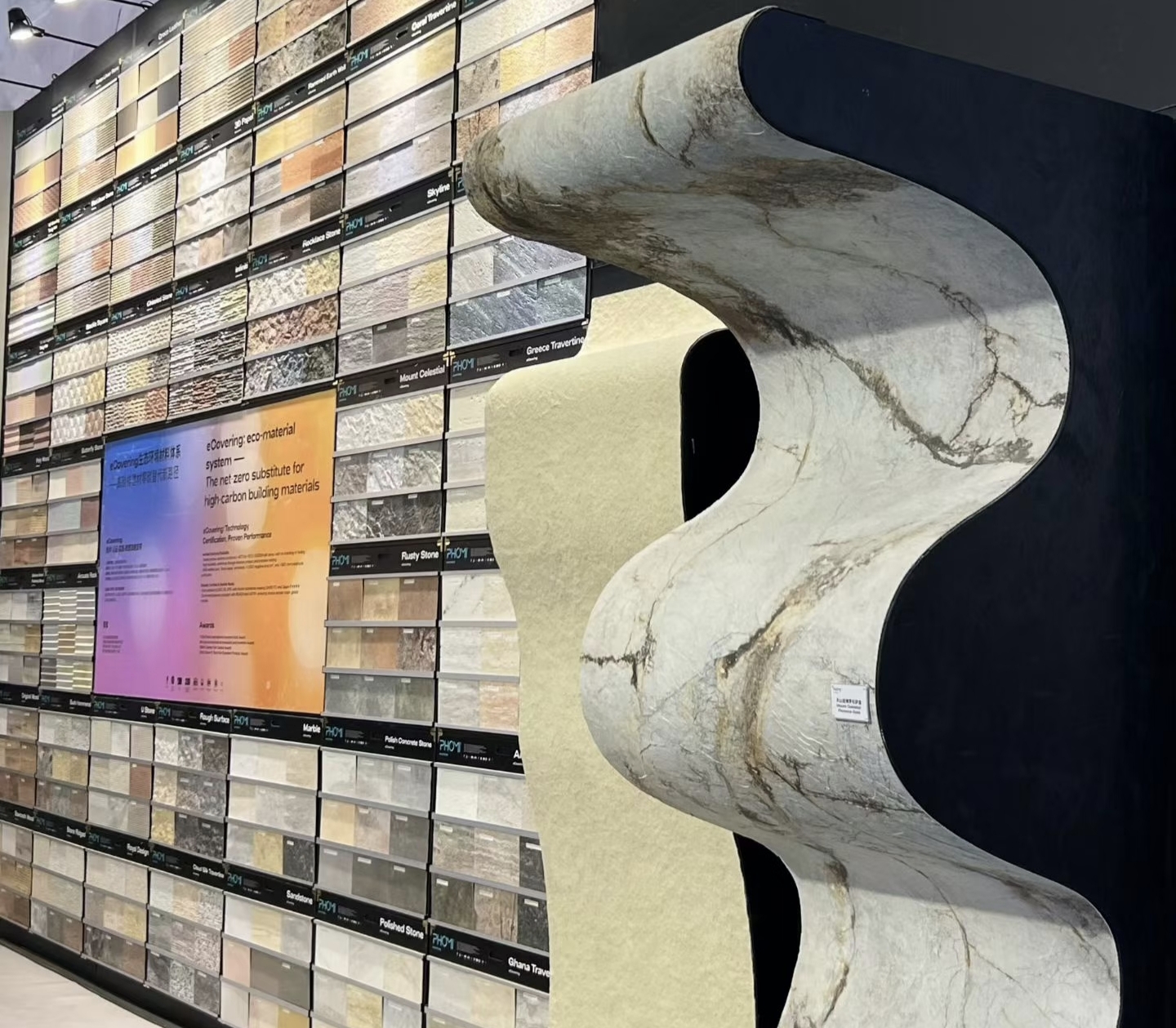
OlinMat MCM Soft Stone Highlights:
✅ Class A fire rating – meets mandatory standards for high‑rise buildings
✅ Lightweight and flexible – only 3‑8 kg/m², significantly reducing structural loads
✅ Waterproof, self‑cleaning, acid/alkali‑resistant – adaptable to multiple climate conditions
✅ Rich colour and texture options – customisable to match natural stone effects
✅ Fast installation – up to 40% shorter schedule compared to stone cladding
✅ Dedicated matching adhesive and technical installation guidance – end‑to‑end quality control
We have a showroom and in‑stock warehouse in Egypt – customers can visit to view samples and experience product texture and flexibility firsthand. Whether for large‑scale projects or commercial applications, OlinMat delivers professional product solutions and technical support.
📩 Interested in project collaboration or procurement? Let's talk!
Please reach out to us through our official website or social media channels – we'll respond promptly. OlinMat looks forward to partnering with you to deliver quality and value to every project.
Let me know if you need an Arabic version or any further adjustments.