



Amid the accelerating evolution of architectural finishes, a new eco‑friendly building material known as "MCM soft stone" is quietly transforming the way building spaces are designed and constructed. From high‑rise residential facades to historic district renovations, from fast‑track commercial projects to surging overseas demand – MCM soft stone is steadily moving from "niche innovation" to "mainstream choice" .
I. Market Size: A Growth Curve from Billions to Tens of Billions
The market growth of MCM soft stone is backed by solid data.
In 2025 , the global MCM soft stone market exceeded USD 4.87 billion , representing 11.3% year‑on‑year growth. China, as the world's largest producer and consumer, manufactured 280 million square metres in 2025, accounting for 62.5% of global production. The Chinese market contributed approximately USD 490 million in 2025, representing 37.1% of the global total.
This growth is far from peaking. Industry forecasts project the global MCM soft stone market will expand from USD 4.87 billion in 2025 to USD 8.23 billion by 2030 , at a CAGR of 11.0% . The Chinese market is expected to grow even faster, with estimated output reaching RMB 23.15 billion during the same period.
In terms of regional distribution, the Asia‑Pacific region – led by China, Japan, and South Korea – accounted for over 58% of the market in 2025. Of particular note, the Middle East and Africa region, driven by accelerating infrastructure development, saw demand growth of 18.1% , emerging as a key growth pole.
II. Green Certification and Policy Support: MCM Soft Stone's "Identity Upgrade"
2025 marked a milestone year for the MCM soft stone industry – MCM soft stone officially received China Green Product Certification. Simultaneously, the "Modified Inorganic Mineral Composite Building Decorative Sheet (MCM Soft Stone)" standard was formally issued and implemented, establishing clear technical requirements for product classification, appearance quality, dimensional tolerances, water absorption, and freeze‑thaw resistance.
This signifies that MCM soft stone is no longer a "conceptual" new material, but a mature building material category backed by national standards and green certification.
On the policy front, support for green building materials continues to strengthen. From January 2025 , the government procurement policy for green building materials expanded to 101 cities , covering hospitals, schools, office buildings, mixed‑use developments, affordable housing, and urban renewal projects. The "Work Plan for Stable Growth of the Building Materials Industry (2025‑2026)" , jointly issued by six ministries including the Ministry of Industry and Information Technology, explicitly targets green building materials revenue exceeding RMB 300 billion by 2026. MCM soft stone, as a typical green building material, stands at the forefront of this policy tailwind.
III. The Lightweight Revolution: 3‑8 kg/m² – Less Than One‑Tenth of Traditional Stone
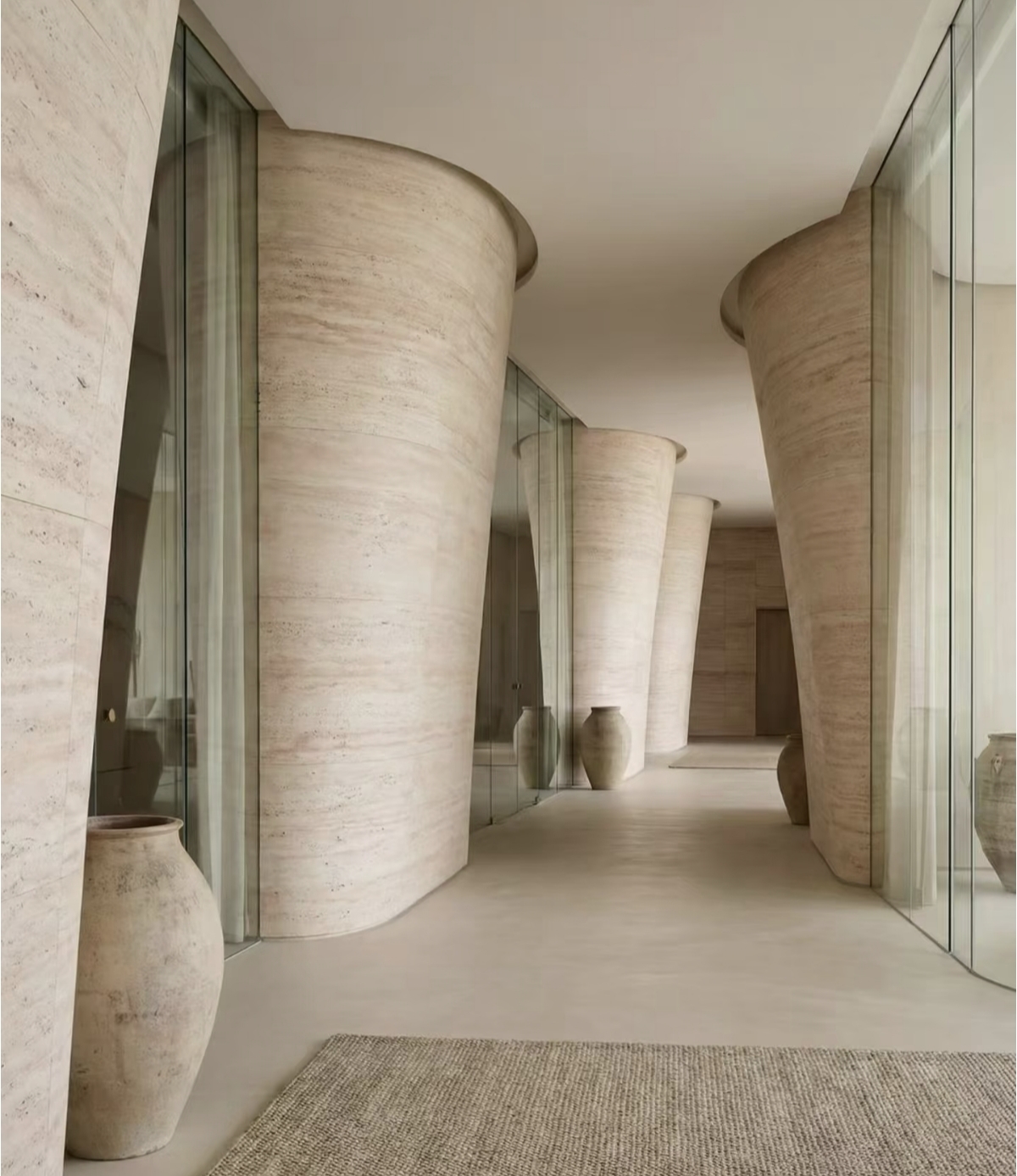
MCM soft stone's core technical breakthrough lies in achieving a visual effect comparable to natural stone while weighing less than one‑tenth as much as traditional materials.
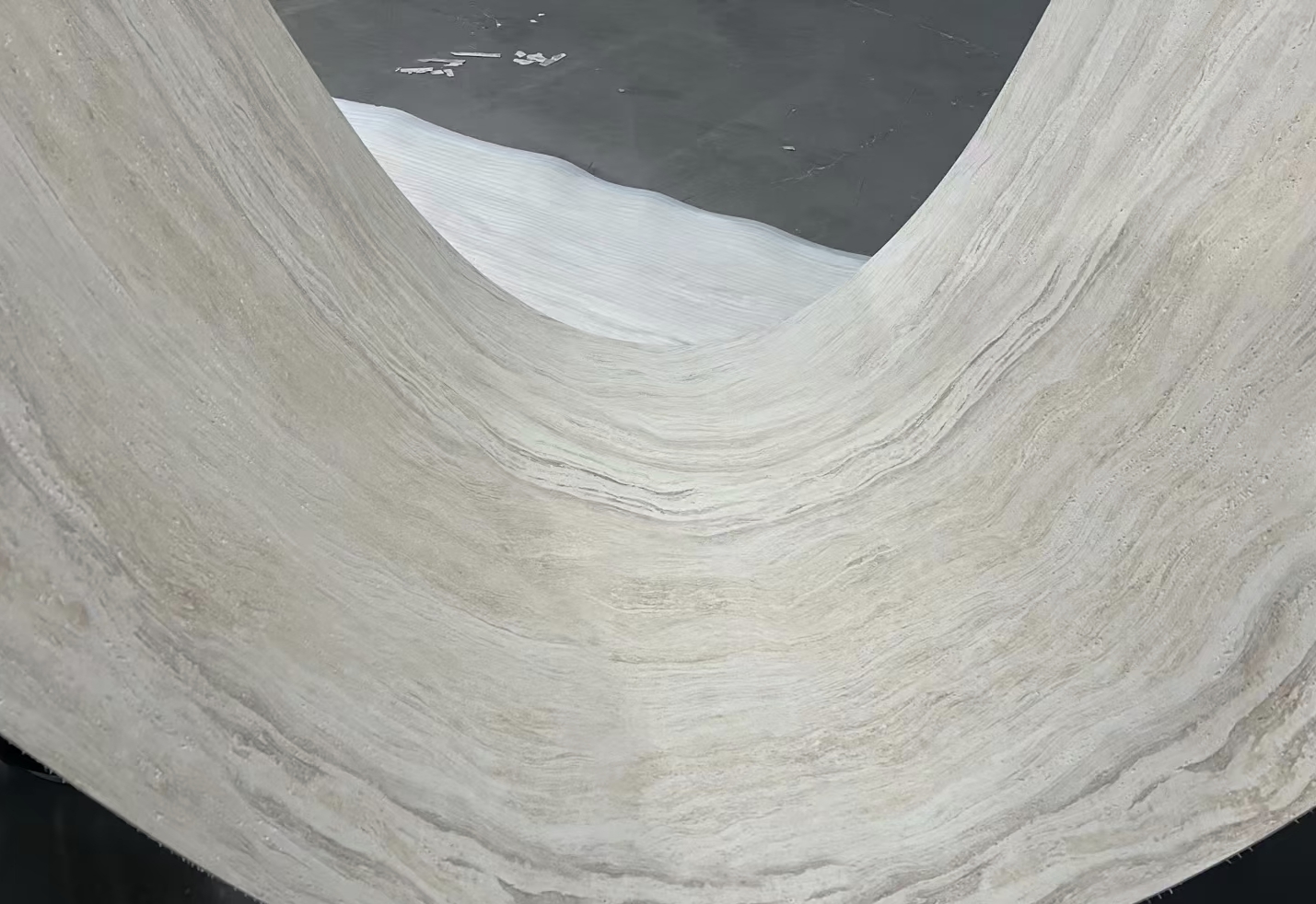
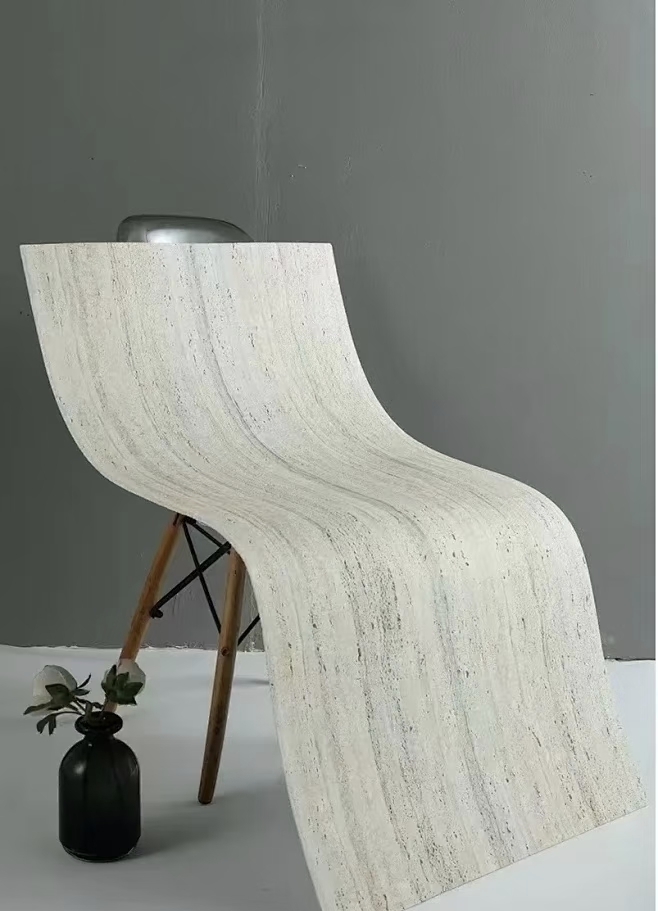
With a thickness of just 2‑4mm and a weight of only 3‑8 kg/m² , MCM soft stone weighs less than one‑fifth of traditional ceramic tiles and less than one‑tenth of natural stone. Industry practitioners have calculated: the total weight of MCM soft stone plus accessories does not exceed 6 kg per square metre. What does this number mean? It means it can be safely applied to high‑rise building facades without additional structural reinforcement ; it means it can be easily transported without costly logistics ; and it means it can be installed quickly without complex hoisting equipment.
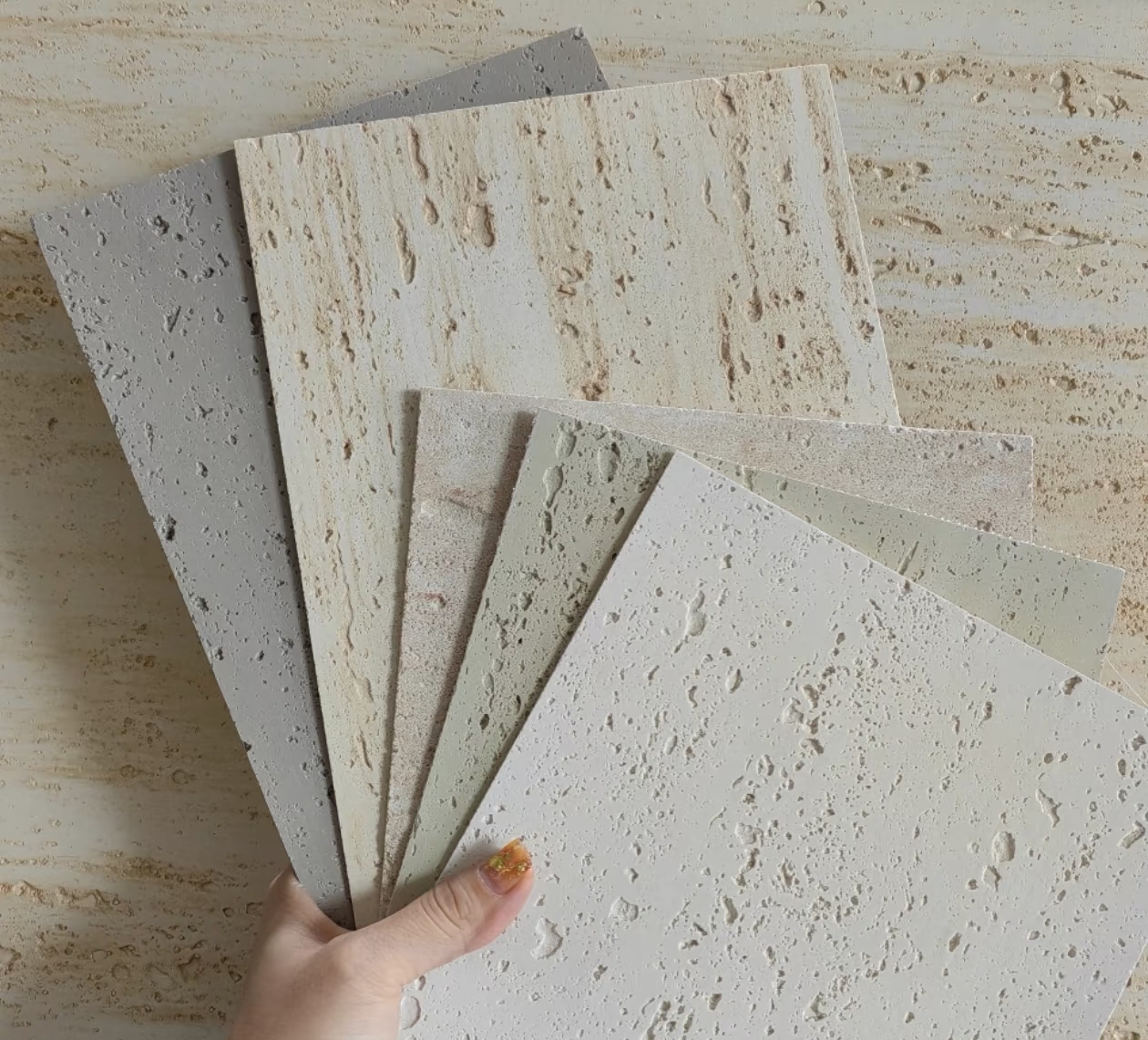
The value of this lightweight property extends across multiple dimensions. Structurally, it significantly reduces building loads, allowing for reduced beam/column sections and steel reinforcement. In transport, the same truck can carry only about 500 m² of stone but approximately 7,000 m² of MCM soft stone. In installation, a single worker can complete 60 m² per day – eight times faster than traditional methods.
IV. Urban Renewal and Renovation: No Demolition, Direct Overlay
In the field of urban renewal and old‑building renovation, MCM soft stone is proving to be a true game‑changer.
In traditional renovation projects, 30% of the construction schedule is consumed by the removal of existing wall finishes. MCM soft stone can be applied directly over old wall surfaces – without removing existing paint, tiles, or mosaics – requiring only the removal and levelling of unsafe areas before direct installation for a unified renovated appearance.
Real‑world case data is compelling. In the renovation of Nanjing Yihe Road Historic District , using MCM soft stone reduced renovation costs per building by 42% and shortened the construction period from 120 days to just 18 days. In the Hangzhou Qinghefang Renovation Project , the modular installation system compressed a 3‑month wall finishing schedule to just 9 days. A traditional residence from the Republican era in Suzhou Pingjiang Road Historic District completed its facade renovation in just 15 days.
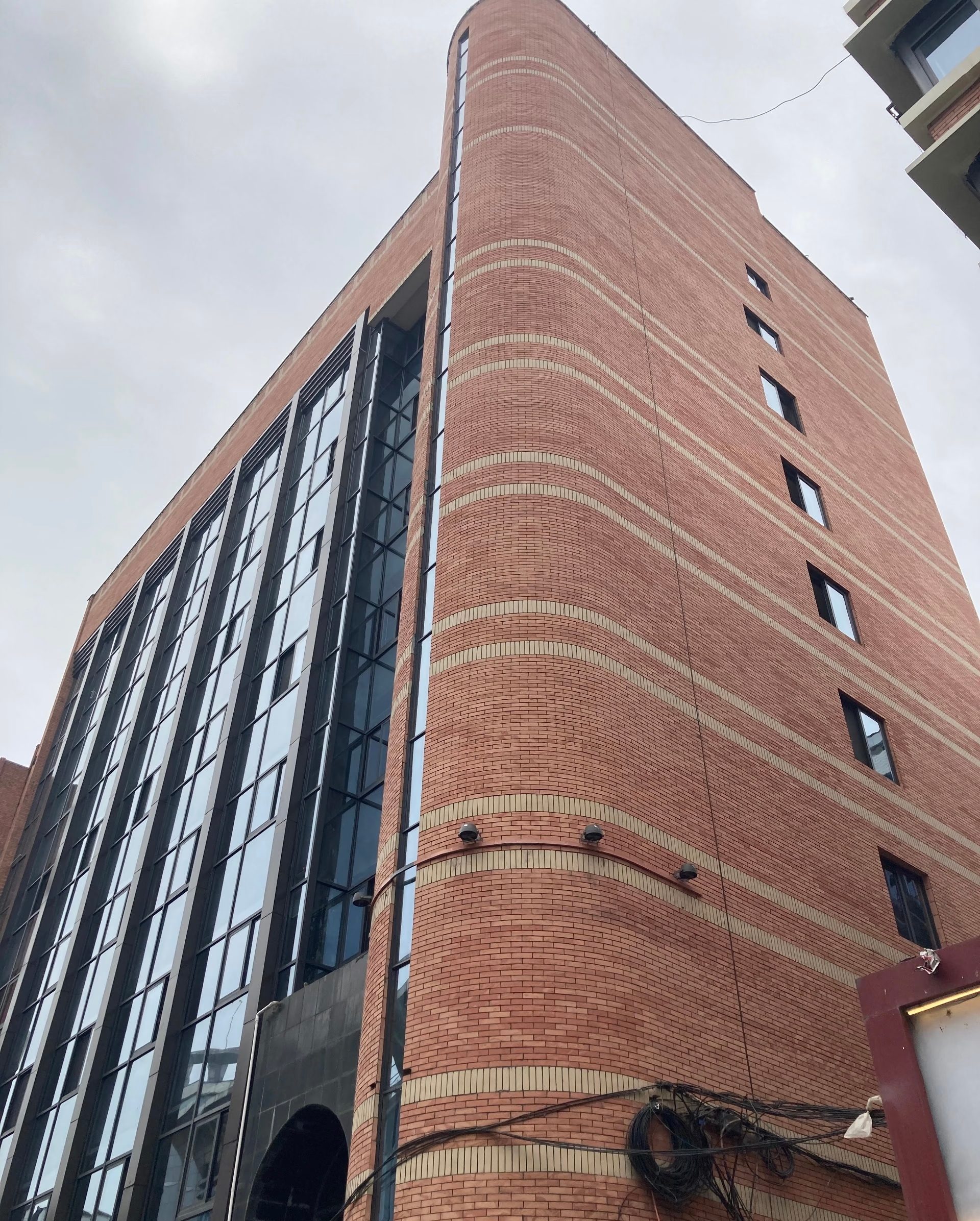
In the renovation of Shanghai's Shikumen architectural complex, MCM soft stone's vapour permeability proved particularly valuable – its 0.35 g/(m²·h) water vapour transmission rate allows moisture trapped in old walls to escape naturally, solving the mould problems commonly caused by traditional tile installation. After five years of monitoring, the renovated facades showed no signs of hollowing or detachment .
V. Overseas Market Surge: The "Pre‑fabricated + Self‑adhesive" Model Gains Traction
MCM soft stone's overseas market performance is equally impressive.
In July 2025 , one MCM soft stone manufacturer reported a four‑fold year‑on‑year increase in overseas orders, with production scheduled months ahead. Behind this growth lies the strong appeal of the "pre‑fabricated + self‑adhesive" model in high‑labour‑cost countries.
In Europe, where labour costs can reach €50 per hour , decorative paint finishes are prohibitively expensive. MCM soft stone, pre‑finished at the factory and ready for DIY installation, dramatically reduces labour costs. Combined with overseas consumers' strong DIY culture and willingness to take on home improvement projects themselves, market acceptance of MCM soft stone is rapidly increasing.
Chinese MCM soft stone manufacturers have already exported to South Korea, Southeast Asia, Russia, and the Middle East. In 2025, products were exported to over 30 countries , with exports accounting for nearly 30% of total production.
VI. Egypt and the Middle East Market: Opportunities Are Opening Up
For Egypt and the broader Middle Eastern market, MCM soft stone's value is equally significant.
The Middle East boasts a massive building materials market. Egypt's ceramic tile market is projected to grow from USD 3.06 billion in 2025 to USD 4.33 billion by 2031 , at a CAGR of 5.94% . Egypt's exterior cladding market revenue reached USD 822.4 million in 2025 and is expected to grow to USD 1.4236 billion by 2033 . Large‑scale residential and commercial development is directly driving demand for lightweight, efficient, and eco‑friendly wall finishing materials.
At the same time, the Egyptian government is actively promoting the local application of green building materials. In 2025, a PVC building materials factory in the Suez Canal Economic Zone entered trial operations. Egypt's building plastics market is experiencing significant growth, with rising demand for lightweight and durable materials.
MCM soft stone's adaptability to the Egyptian market is equally strong. The Middle East's climatic conditions – high temperatures, arid conditions, and intense solar radiation – impose stringent weather‑resistance requirements on building materials. MCM soft stone has passed 3,600 hours of accelerated aging testing and is warranted for 25 years against fading or powdering on exterior walls – fully capable of withstanding the Middle Eastern climate. Moreover, its ability to be applied directly over existing wall surfaces without demolition is equally applicable in Egypt.
VII. OlinMat MCM Soft Stone – Connecting Quality Products to the Middle East Market
As a professional supplier deeply rooted in Egypt's building materials market for years, OlinMat has a profound understanding of the region's specific requirements – lightweight and safe, weather‑resistant and durable, efficient to install and consistently reliable.
OlinMat MCM Soft Stone Highlights:
✅ Green‑certified products, compliant with national and international environmental standards
✅ Lightweight and flexible – only 3‑8 kg/m², significantly reducing structural loads
✅ Class A fire rating – meets safety requirements for high‑rise and public buildings
✅ Strong weather resistance – UV‑resistant, acid/alkali‑resistant, adapted to the Middle Eastern climate
✅ Easy installation – can be applied directly over existing walls, reducing project schedules by over 80%
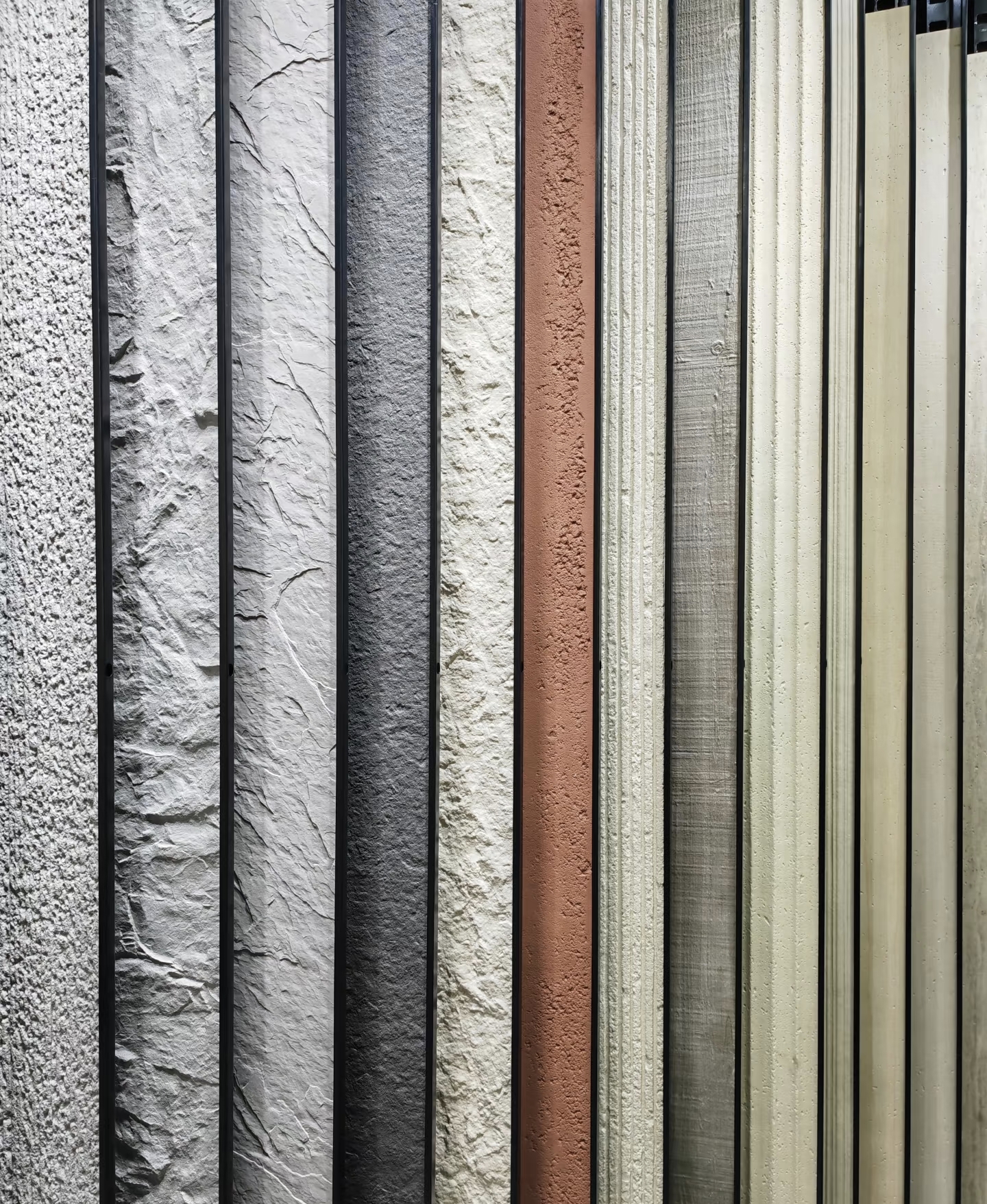
✅ Rich colour and texture options – customisable to simulate stone, wood, brick, and more
We have a showroom and in‑stock warehouse in Egypt – customers can visit to view samples and experience product texture and flexibility firsthand. Whether for large‑scale projects, commercial space renovations, or urban renewal and refurbishment, OlinMat delivers professional product solutions and technical support.
📩 Interested in project collaboration or procurement? Let's talk!
Please reach out to us through our official website or social media channels – we'll respond promptly. OlinMat looks forward to partnering with you to bring sustainable, high‑quality building solutions to every project.
Let me know if you need an Arabic version or any further adjustments. 😊